
Why North Dorset Roofs Differ from Coastal Poole Roofs (and how we clean them)

When you look across Dorset, roofs might seem fairly uniform at a glance. In reality, the environment changes quite sharply between inland North Dorset and the coastal stretch around Poole. Those differences affect everything from how quickly moss builds up to how roof tiles age and what kind of cleaning approach actually works long term.

For homeowners dealing with these issues, specialist knowledge makes a noticeable difference. Companies like Gutter and Moss Cleaning Specialists work across both inland and coastal environments, adapting methods to suit the conditions rather than relying on a one-size-fits-all approach.

Understanding why these roofs behave differently helps explain why cleaning methods must also change. It is not just about appearance. It is about moisture retention, wind exposure, salt air, and even the type of organic growth each location encourages.

The geographic divide: inland North Dorset vs coastal Poole

Dorset has a surprisingly varied microclimate. Even short distances inland can produce different roof conditions due to shifts in humidity, wind exposure, and airborne particles.

North Dorset sits further from the coast, with more agricultural land, hedgerows, and sheltered valleys. Poole, on the other hand, is directly exposed to maritime conditions from the English Channel.

These environmental differences directly influence how roofs deteriorate over time.

Key environmental contrasts

FactorNorth Dorset (Inland)Poole (Coastal)
Air moisture sourceRainfall and soil evaporationSea spray and high humidity
Wind exposureModerate, sheltered by landscapeHigh, frequent coastal gusts
Salt content in airLowHigh
Vegetation nearbyFields, trees, hedgerowsCoastal shrubs, urban greenery
Moss growth tendencyHighModerate but persistent algae
Tile weatheringSlow, steadyFaster surface erosion

These conditions may look subtle on paper, but over years they create dramatically different roof surfaces.

North Dorset roofs: the inland moss environment

North Dorset roofs are especially prone to moss growth. This is one of the most consistent issues seen in the area, and it comes down to a combination of shade, moisture retention, and organic debris.

Why moss thrives inland

Moss requires three main conditions to flourish:

  • Consistent moisture
  • Low sunlight exposure
  • A rough surface to anchor into

North Dorset provides all three more often than not. Many properties are surrounded by trees or hedgerows, which limit sunlight and increase leaf fall. Roof tiles gradually accumulate organic debris, which traps moisture and creates a perfect environment for moss spores to establish.

Once moss takes hold, it behaves almost like a sponge. It holds water against the tile surface, increasing freeze-thaw damage in colder months and slowly lifting tiles over time.

Typical issues found on North Dorset roofs

  • Thick moss layers on north-facing slopes
  • Blocked gutters caused by moss shedding
  • Damp staining under rooflines
  • Gradual tile displacement due to root expansion
  • Increased lichen growth in shaded areas

The key point is that inland moss is usually deeper rooted and more structural. It is not just a surface problem.

Coastal Poole roofs: salt, wind, and accelerated wear

Poole roofs experience a completely different set of challenges. While moss can still occur, especially in shaded areas, the dominant issues are linked to salt exposure and wind-driven moisture.

The effect of salt air

Salt carried inland from the coast settles on roof surfaces. Over time, this creates a thin but persistent layer that affects both tiles and biological growth patterns.

Salt is hygroscopic, meaning it attracts moisture from the air. This keeps roof surfaces damp for longer periods, even when it has not rained recently. That dampness encourages algae growth, particularly black streaks often seen on lighter roof tiles.

Wind exposure and debris movement

Coastal winds in Poole are stronger and more consistent than inland winds. This has two main effects:

  • It reduces large moss build-up in exposed areas by drying surfaces more quickly
  • It increases the movement of debris, which can lead to uneven accumulation in sheltered roof sections

As a result, coastal roofs often show patchy staining rather than thick moss blankets.

Common coastal roof issues

  • Black algae streaking across tiles
  • Salt crust formation on older tiles
  • Faster degradation of protective tile coatings
  • Localised moss in sheltered roof valleys
  • Increased wear on ridge tiles and mortar

Unlike inland roofs, coastal roofs are often more about surface staining and chemical weathering than deep biological growth.

How roof materials respond differently in each environment

Roof tiles are not equally affected by inland and coastal conditions. The same material can behave very differently depending on location.

Clay tiles

Clay tiles are common across both regions. However:

  • In North Dorset, they tend to absorb moisture and support moss growth
  • In Poole, salt exposure can gradually weaken surface glazing

Over time, clay tiles inland become heavier due to moss absorption, while coastal tiles lose surface integrity more quickly.

Concrete tiles

Concrete tiles are porous and particularly sensitive to moisture retention.

  • Inland: prone to moss penetration and root anchoring
  • Coastal: prone to surface erosion and staining

They often require more frequent cleaning in both environments but for different reasons.

Slate roofs

Slate performs well in both regions but still reacts differently:

  • Inland slate accumulates moss along overlaps and edges
  • Coastal slate develops salt deposits and algae streaking

Slate is generally more resilient, but it still benefits from tailored cleaning methods.

The science behind moss and algae growth

Understanding roof cleaning requires a basic grasp of what is actually growing on the surface.

Moss behaviour

Moss is a non-vascular plant. It does not have roots in the traditional sense, but it anchors using rhizoids that grip into porous surfaces. Once established, it spreads horizontally and traps moisture.

This trapped moisture accelerates roof decay by:

  • Keeping tiles damp for longer periods
  • Encouraging frost damage in winter
  • Increasing weight load on roof sections
  • Blocking drainage paths

Algae behaviour

Algae, particularly the black streak variety seen in coastal areas, spreads through airborne spores. It does not require as much surface roughness as moss, which is why it appears even on smoother tiles.

Algae thrives in:

  • Humid conditions
  • Salt-rich environments
  • Low to moderate sunlight

This is why Poole roofs often show streaking even when moss is minimal.

Why cleaning methods must change between regions

A single cleaning approach does not work effectively across both inland and coastal Dorset. The underlying issues are too different.

Inland North Dorset cleaning priorities

For inland roofs, the focus is usually on:

  • Removing dense moss growth safely
  • Preventing regrowth through treatment
  • Clearing gutters of organic build-up
  • Restoring drainage efficiency

Aggressive cleaning is not ideal because inland moss often binds tightly to tiles. Overly harsh methods can damage older roofs.

Coastal Poole cleaning priorities

For coastal roofs, the focus shifts to:

  • Removing salt residue
  • Treating algae staining
  • Protecting tile surfaces from further erosion
  • Managing wind-exposed debris accumulation

Here, cleaning is more about surface restoration and protection rather than heavy mechanical removal.

Professional roof cleaning approaches

Specialist roof cleaning services adapt their methods based on both environment and roof condition.

Soft washing systems

Soft washing is widely used in both regions, but especially in coastal areas. It involves applying a low-pressure cleaning solution that breaks down organic growth and contaminants without damaging tiles.

This method is particularly effective for:

  • Algae removal
  • Salt residue breakdown
  • Preventative treatment

Manual moss removal

In inland North Dorset, manual moss removal is often necessary. This involves carefully lifting moss from tiles without applying pressure that could crack or dislodge them.

It is followed by:

  • Surface cleaning
  • Biocide treatment
  • Gutter clearance

Biocide treatments

Biocides are applied to prevent regrowth. They work by targeting remaining spores and biological residues that are not visible after cleaning.

They are especially useful in:

  • Shaded inland properties
  • Coastal properties with recurring algae

Gutter and drainage clearing

Across both regions, gutters are a critical part of roof maintenance. However:

  • Inland gutters often fill with moss clumps
  • Coastal gutters often accumulate fine debris and salt residue

Regular clearing prevents overflow and water damage to exterior walls.

Comparison of cleaning requirements by region

Cleaning FactorNorth DorsetPoole
Main issueMoss build-upAlgae and salt staining
Cleaning intensityModerate to highLow to moderate
Preferred methodManual + biocideSoft wash + treatment
Regrowth speedHigh if untreatedModerate but persistent
Gutter blockage riskHighMedium

Maintenance frequency differences

Roof maintenance schedules should reflect environmental pressure rather than a fixed timeline.

North Dorset recommendations

  • Visual inspection: every 12 months
  • Cleaning cycle: every 3 to 5 years
  • Gutter clearing: annually or more if surrounded by trees

Poole recommendations

  • Visual inspection: every 12 to 18 months
  • Cleaning cycle: every 3 to 4 years
  • Gutter clearing: twice yearly in exposed areas

Coastal roofs often require more frequent light maintenance rather than heavy intervention.

Why location-specific expertise matters

Roof cleaning is often underestimated. On the surface, moss or staining may look like a cosmetic issue, but the underlying environmental causes are complex.

In North Dorset, the challenge is biological growth driven by shade and moisture retention. In Poole, the challenge is chemical exposure and wind-driven surface degradation.

Treating both the same way can lead to:

  • Ineffective cleaning results
  • Faster regrowth
  • Unnecessary tile damage
  • Reduced roof lifespan

Specialist approaches, like those used by Gutter and Moss Cleaning Specialists, take these environmental differences into account before any work begins.

Cost considerations in roof cleaning across Dorset

Pricing varies depending on roof size, condition, and environmental severity. Inland roofs with heavy moss often require more labour time, while coastal roofs may need additional treatment applications.

Typical UK ranges include:

  • Light roof cleaning: £400 to £800
  • Moderate moss removal: £800 to £1,500
  • Heavy restoration cleaning: £1,500 to £3,000+

Coastal properties can sometimes sit at the higher end due to repeated treatment needs and surface restoration work, particularly where salt damage is present.

Long-term roof behaviour if untreated

Leaving roof issues unresolved leads to different outcomes depending on location.

Inland deterioration pattern

  • Moss thickens and spreads
  • Tiles lift or shift
  • Water retention increases
  • Structural damp risk rises

Coastal deterioration pattern

  • Staining becomes permanent
  • Tile surfaces weaken
  • Mortar erosion increases
  • Drainage systems clog with fine debris

Both scenarios gradually reduce roof efficiency and increase repair costs over time.

Seasonal impact on roof condition

Winter effects

Inland roofs suffer more from freeze-thaw cycles due to moss retaining water. Coastal roofs are less affected by moss freezing but still experience wind-driven rain penetration.

Spring and autumn effects

These are peak growth periods for both moss and algae. Increased moisture and moderate temperatures create ideal conditions for rapid spread.

Summer effects

Coastal roofs dry faster but may show salt crystallisation. Inland roofs often remain damp under shaded areas, allowing moss to continue growing even in warmer months.

Preventative strategies tailored by region

Preventative maintenance is often more effective than reactive cleaning.

Inland strategies

  • Tree trimming to increase sunlight exposure
  • Regular debris removal from valleys
  • Biocide application after cleaning
  • Annual gutter maintenance

Coastal strategies

  • Anti-algae surface treatments
  • Salt wash-down in exposed properties
  • Regular inspection of ridge and mortar
  • Protective coating where appropriate

Each approach reflects the dominant environmental stress factor.

Final technical observations on regional roof differences

The contrast between North Dorset and Poole roofs is not just cosmetic. It reflects two very different environmental systems working on the same building materials.

Inland roofs are shaped by biology and shade. Coastal roofs are shaped by chemistry and wind exposure. Cleaning methods that ignore this distinction often fall short or lead to unnecessary wear.

Specialist roof care in these regions is therefore less about a standard clean and more about adapting to the conditions that caused the problem in the first place.

Case studies: how roof conditions differ in real Dorset properties

To really understand how inland and coastal environments behave, it helps to look at how these differences show up on actual homes. The contrast between North Dorset and Poole becomes much clearer when you compare typical property types and what accumulates on them over time.

North Dorset example: shaded rural property

A common inland property might sit on the edge of a village, surrounded by mature trees and farmland hedgerows. The roof is often partially shaded for much of the day.

Over a few years, the following pattern typically develops:

  • Thick moss growth forming on north-facing slopes
  • Heavy debris accumulation in valleys and behind chimneys
  • Gutters filling with organic matter after seasonal leaf fall
  • Damp patches appearing under rooflines due to prolonged moisture retention

What stands out here is how structural the problem becomes. Moss does not just sit on the surface. It gradually integrates into the tile texture, especially on older concrete roofs. In many cases, the roof becomes noticeably heavier over time due to moisture retention alone.

Once cleaning is carried out, it is often followed by a significant improvement in drainage performance because so much of the issue comes from blocked water flow rather than surface staining.

Poole example: exposed coastal semi-detached home

A typical Poole property experiences a different pattern. Even when there is some surrounding greenery, wind exposure plays a much larger role than shade.

Over time, you usually see:

  • Dark streaking running vertically down roof tiles
  • Salt residue forming a faint crystalline layer in exposed sections
  • Patchy algae growth rather than dense moss coverage
  • Faster erosion on ridge tiles and pointing due to wind-driven rain

Here, the roof may not appear as “heavy” with growth, but the surface degradation is more chemically driven. The issue is often less visible early on, which can lead homeowners to underestimate how quickly the roof surface is aging.

Microbial behaviour on roof surfaces

Roof growth is not random. It follows predictable biological and chemical patterns depending on environment.

Moss colonisation cycles inland

Moss spores travel through the air and settle into porous surfaces. In inland Dorset, they benefit from:

  • Stable humidity levels
  • Organic debris acting as a nutrient base
  • Lower wind speeds allowing spores to settle

Once established, moss forms a self-sustaining cycle. It traps moisture, which encourages further growth and suppresses competing organisms. This is why inland roofs can shift from light spotting to thick coverage relatively quickly.

Algae and biofilm formation on coastal roofs

Coastal roofs are more influenced by algae and microbial biofilms. These organisms behave differently from moss:

  • They require less surface texture to attach
  • They spread through thin surface films rather than root-like structures
  • They thrive in salt-rich, humid air

This is why Poole roofs often show streaking even when they appear relatively clean at a distance. The growth is thin but widespread, forming a layer that bonds directly to tile coatings.

The role of roof pitch and design

Roof shape also affects how inland and coastal conditions play out.

Steeper roofs in inland areas

Many rural North Dorset properties have steeper pitches. This design helps with rain runoff, but it also:

  • Reduces long-term water pooling
  • Encourages moss to anchor in slower-draining edges and overlaps
  • Makes manual cleaning more labour-intensive

Steeper roofs often have cleaner central areas but heavier buildup along ridges and shaded corners.

Lower-pitched coastal roofs

In Poole, lower-pitched roofs are more common in modern housing. These roofs:

  • Retain moisture for longer periods
  • Allow algae to spread more evenly across surfaces
  • Experience more uniform weathering across tiles

The result is less patchiness but more consistent surface staining.

Material lifespan differences by environment

Even the same roofing material behaves differently depending on location.

Clay tile lifespan comparison

EnvironmentExpected surface lifespanCommon issue
North Dorset50–80 yearsMoss penetration and tile lifting
Poole40–70 yearsSalt erosion and surface flaking

Clay tiles inland tend to last longer structurally but require more frequent cleaning interventions. Coastal tiles degrade more evenly but lose surface protection faster.

Concrete tile performance

Concrete tiles show more pronounced environmental sensitivity:

  • Inland: moss can embed into surface pores, increasing water absorption
  • Coastal: surface coatings degrade faster due to salt crystallisation

Over time, this leads to different failure modes depending on region.

How gutters amplify roof problems

Roof issues rarely stay on the roof. Gutters are the main transfer point between roof surface and drainage systems, and they behave very differently in each environment.

Inland gutter systems

In North Dorset, gutters often contain:

  • Moss clumps
  • Leaf debris
  • Broken tile fragments

When these materials build up, they can create full blockages that lead to overflow. Overflow then affects fascia boards and external walls, increasing damp risk.

Coastal gutter systems

In Poole, gutters tend to accumulate:

  • Fine sediment from salt residue
  • Small algae fragments
  • Wind-blown debris

These blockages are usually more gradual but harder to detect early. Instead of full blockage, you often see reduced flow capacity over time.

Impact on insulation and energy efficiency

Roof condition also affects internal building performance, particularly insulation.

Moisture retention inland

Moss-heavy roofs retain moisture for longer periods. This can:

  • Increase thermal loss through the roof structure
  • Reduce insulation efficiency
  • Contribute to condensation in loft spaces

Even small increases in moisture content can affect insulation performance over time.

Coastal humidity effects

In Poole, the issue is less about retained moss moisture and more about ambient humidity. Constant exposure to humid air can:

  • Slow down drying cycles in loft spaces
  • Encourage condensation on cold roof surfaces
  • Reduce effectiveness of ventilation systems

Safety considerations during cleaning

Cleaning roofs in these environments requires different safety approaches due to surface conditions.

Inland safety risks

  • Moss creates highly slippery surfaces
  • Hidden tile edges become unstable under growth
  • Wet organic matter increases fall risk

Manual cleaning must be carefully controlled to avoid damaging tile integrity while maintaining operator safety.

Coastal safety risks

  • Salt residue can create micro-slippery films even when surfaces look dry
  • Wind exposure increases risk during roof access
  • Ridge mortar erosion can create unstable footing points

Coastal cleaning often involves more attention to wind conditions and structural stability.

Common homeowner mistakes in both regions

Many roof issues are made worse by delayed or incorrect maintenance.

Inland mistakes

  • Attempting high-pressure washing on moss-heavy roofs
  • Ignoring early moss growth until it becomes structural
  • Clearing visible debris but not treating spores underneath

High pressure is particularly damaging inland because it can strip tile surfaces that are already weakened by moss retention.

Coastal mistakes

  • Assuming staining is purely cosmetic
  • Painting or coating over algae without cleaning
  • Ignoring early salt build-up on ridge lines

Coastal roofs often look less urgent, which can delay intervention until surface degradation is already advanced.

Seasonal maintenance planning framework

A structured maintenance plan helps balance both environments effectively.

Recommended annual schedule

SeasonNorth Dorset focusPoole focus
SpringMoss inspection and early treatmentAlgae monitoring and surface check
SummerGutter clearance and debris removalSalt residue assessment
AutumnLeaf fall management and drainage checksWind debris inspection
WinterFreeze protection and damp monitoringStorm damage checks

This approach ensures issues are addressed before they escalate into structural problems.

Environmental interaction with roof ventilation

Roof ventilation plays a critical role in how both environments affect properties.

Inland ventilation challenges

In shaded inland properties, reduced airflow can:

  • Increase humidity retention in roof spaces
  • Encourage moss regrowth cycles
  • Slow drying after rainfall

Improving ventilation can significantly reduce moss severity over time.

Coastal ventilation challenges

In Poole, ventilation must also account for:

  • Salt-laden air entering roof spaces
  • Wind-driven moisture infiltration
  • Rapid temperature shifts during storms

Balanced ventilation helps reduce condensation without introducing excessive salt exposure.

Long-term roof health modelling

When comparing inland and coastal roofs over decades, the deterioration patterns are distinct.

Inland trajectory

  1. Light moss begins in shaded areas
  2. Growth spreads across overlapping tiles
  3. Moisture retention increases structural load
  4. Tiles begin to shift or crack
  5. Drainage issues develop in gutters and valleys

Coastal trajectory

  1. Light algae streaking appears early
  2. Salt residue builds gradually
  3. Surface coatings begin to degrade
  4. Mortar and ridge lines weaken
  5. Uniform surface wear becomes visible

Neither path is necessarily faster in isolation, but both lead to reduced roof performance without intervention.

Material response to cleaning frequency

Cleaning frequency itself affects how roofs age.

  • In inland areas, infrequent cleaning leads to deep moss integration that is harder to remove without intervention
  • In coastal areas, infrequent cleaning allows salt to bond more permanently with tile surfaces

Regular but appropriately tailored cleaning prevents both outcomes from accelerating.

Final technical observation on environmental balance

What stands out most between North Dorset and Poole is not just the difference in growth types, but how those growth types interact with weather patterns over time. Inland roofs are shaped by biological accumulation, while coastal roofs are shaped by chemical exposure and airborne particles.

Both environments require ongoing attention, but the method and timing of care make a significant difference to how long a roof remains structurally sound and visually consistent over its lifespan.
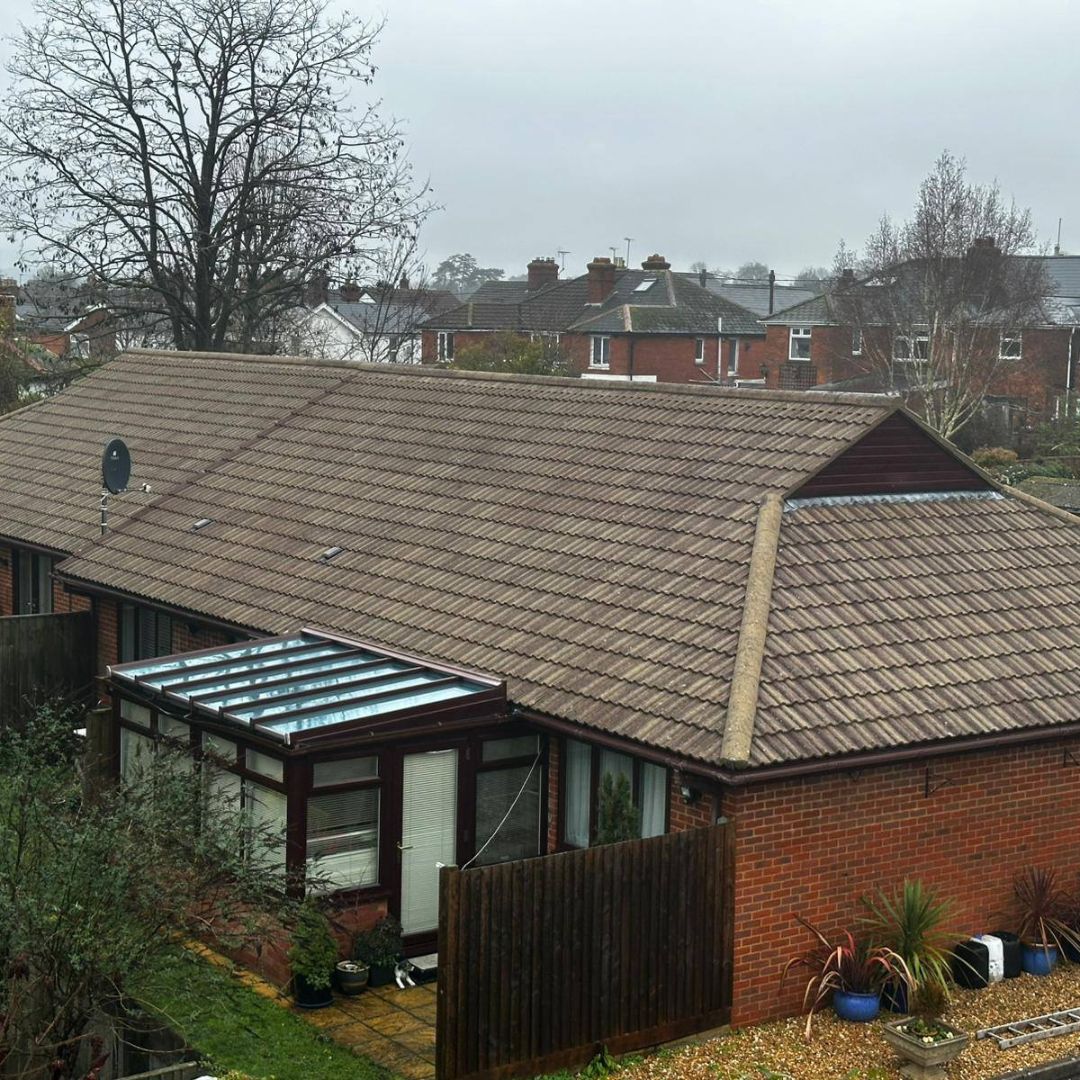
The Link Between Roof Moss and Blocked Gutters

When homeowners start noticing water overflowing from gutters or green patches spreading across roof tiles, it usually feels like two separate problems. In reality, they are closely connected. The relationship between moss growth on roofs and blocked guttering is one of the most common causes of damp issues, exterior damage, and avoidable repair bills in UK homes.

Working with Gutter and Moss Cleaning Specialists, many property owners discover that what looks like a simple gutter blockage often starts much higher up on the roof surface. Understanding how these issues link together makes it much easier to prevent long-term damage and keep a property in good condition throughout the year.

Understanding the connection between roof moss and gutter blockages

Roof moss is not just a cosmetic issue. It behaves almost like a slow-moving plant system that spreads, breaks down, and sheds material over time. Once it becomes established, it gradually releases fragments that travel downward with rainwater and wind. These fragments are one of the main reasons gutters become clogged in the first place.

Gutters are designed to manage rainwater efficiently, but they rely on a clear channel. When moss enters that system, it doesn’t just pass through. It absorbs water, expands, and forms dense clumps that stick inside gutter runs and downpipes.

The connection is simple:

  • Moss grows on roof surfaces
  • Weather breaks it down into fragments
  • Rain washes debris into gutters
  • Gutters become blocked
  • Water overflows and damages the property

What makes this issue frustrating is that clearing gutters without addressing roof moss is often only a short-term fix.

How roof moss develops in the first place

Moss thrives in damp, shaded environments. In the UK, roofs provide ideal conditions for it to spread, especially during cooler months with frequent rainfall.

Several factors contribute to moss growth:

  • North-facing roofs with less sunlight
  • Overhanging trees creating shade and debris
  • Porous or ageing roof tiles
  • Poor drainage or standing moisture
  • Long periods of damp weather

Once moss spores land on a roof, they begin to spread into small colonies. These colonies expand over time, especially in areas where water sits for longer periods.

Roof materials play a big role too. Concrete tiles, in particular, are more porous and tend to hold moisture, which encourages moss growth more than smoother slate surfaces.

What moss actually does to roof surfaces

Moss is often underestimated because it looks soft and harmless. In reality, it causes physical changes to roofing materials:

  • It holds moisture against tiles
  • It lifts and separates tile edges
  • It encourages micro-cracks over time
  • It traps organic debris like leaves and dust

As moss thickens, it starts acting like a sponge. During rainfall, it absorbs water and becomes heavier. When it dries, it breaks apart and sheds material into surrounding areas, especially gutters.

How moss travels from roof to guttering systems

The journey from roof moss to blocked gutters is not instant. It happens gradually and often goes unnoticed until water starts overflowing.

There are three main ways moss enters gutters:

1. Natural breakdown through weather exposure

Wind, rain, frost, and sunlight all contribute to moss deterioration. As it breaks down, small fragments detach and slide down the roof surface into the gutter channel.

2. Heavy rainfall wash-off

During intense rainfall, moss becomes saturated. Once it absorbs enough water, it loosens and is washed off in clumps. These clumps are large enough to settle in gutters and restrict water flow immediately.

3. Mechanical displacement

Birds, foot traffic during roof inspections, or even simple tile movement can dislodge moss. Once disturbed, it travels downwards with gravity.

Over time, these processes create a build-up inside gutters that is often mixed with:

  • Leaves
  • Twigs
  • Roof grit
  • Dirt and dust

This mixture forms a dense blockage that is difficult for water to pass through.

Why blocked gutters become a bigger problem than expected

A blocked gutter might seem minor at first, but the consequences extend far beyond overflow.

When water cannot drain properly, it starts finding alternative routes. This is where structural issues begin.

Common problems include:

  • Water spilling down exterior walls
  • Damp patches forming inside the property
  • Rotting fascia boards
  • Foundation saturation around the building base
  • Staining on brickwork or render

Over time, consistent overflow can weaken parts of the building that were never intended to handle direct water exposure.

The hidden issue: freeze-thaw damage

In colder months, trapped water inside gutters can freeze. When water freezes, it expands. This expansion can cause:

  • Cracks in gutter joints
  • Splitting in plastic guttering
  • Displacement of brackets
  • Increased future leakage risk

This cycle repeats every winter, gradually weakening the entire system.

Warning signs that moss is affecting your gutters

The link between roof moss and gutter blockages is not always obvious at first glance. However, there are clear indicators that the issue is developing.

Common warning signs

Warning signWhat it usually meansSeverity
Water overflowing during rainGutter blockage formingHigh
Green debris near downpipesMoss entering systemMedium
Plants growing in guttersLong-term blockageHigh
Damp patches on exterior wallsOverflow damageHigh
Sagging gutter sectionsWeight from debris/waterHigh
Staining beneath guttersRepeated overflowMedium

If more than one of these signs appears, it usually indicates that roof moss is already contributing to the problem rather than being a separate issue.

Seasonal patterns and why UK weather makes the problem worse

In the UK, roof moss and gutter blockages tend to follow predictable seasonal patterns. Understanding these helps explain why issues often appear at certain times of year.

Seasonal breakdown

SeasonRoof moss behaviourGutter impact
WinterSlow growth, high moisture retentionBlockages freeze and expand
SpringActive growth phaseIncreased debris wash-off
SummerDrying and fragmentationLoose moss enters gutters
AutumnHeavy leaf fall + moss spreadPeak blockage period

Autumn is particularly problematic because falling leaves combine with existing moss debris. This creates dense gutter obstructions that restrict flow almost immediately.

In coastal and southern regions such as Hampshire, damp sea air also contributes to consistent moisture retention on roof surfaces, which supports moss growth throughout the year.

How blocked gutters feed back into roof moss growth

The relationship between roof moss and gutters is not one-directional. Blocked gutters can actually make moss problems worse.

When gutters overflow, water often runs back onto roof edges or saturates the lower sections of tiles. This creates:

  • Constant damp conditions
  • Increased moisture retention
  • Ideal conditions for moss regrowth

So even if moss is removed from the roof, poor gutter drainage can quickly encourage it to return.

This creates a cycle:

  1. Moss grows on roof
  2. Debris blocks gutters
  3. Water overflows
  4. Roof edges stay damp
  5. Moss regrows faster

Breaking this cycle requires treating both the roof surface and the gutter system together.

Methods used to manage roof moss and gutter blockages

There are several approaches to controlling the issue, depending on severity and roof condition.

Roof moss removal techniques

Common methods include:

  • Manual scraping for heavy moss build-up
  • Soft washing to loosen biological growth
  • Biocide treatments to slow regrowth
  • Low-pressure cleaning for delicate tiles

Each method depends on the type of roof and how established the moss has become.

Gutter cleaning techniques

Gutter maintenance usually involves:

  • Manual removal of debris
  • Flushing downpipes with water
  • Checking for hidden blockages in joints
  • Inspecting bracket stability

In more severe cases, sections may need partial dismantling to remove compacted material.

How professionals typically assess the situation

Before any cleaning work begins, a proper inspection helps determine the relationship between roof moss and gutter condition.

Assessment checklist

Area inspectedWhat is checkedOutcome
Roof surfaceMoss density and spreadTreatment method chosen
Gutter channelsBlockage levelCleaning approach
DownpipesFlow restrictionFlush or repair needed
Fascia boardsWater damageRepair requirement
Roof edgesMoss transfer zonesRisk mapping

This type of assessment helps avoid treating only the symptom (blocked gutters) while ignoring the cause (roof moss).

Preventing the cycle from repeating

Prevention is more effective than repeated clearing. Once moss establishes itself on a roof, it tends to return unless conditions change.

Practical prevention strategies

  • Regular roof inspections (at least once per year)
  • Timely moss removal before heavy spread
  • Keeping gutters clear before autumn
  • Trimming overhanging trees
  • Installing gutter guards in high-debris areas
  • Ensuring proper roof drainage angles remain effective

Small steps like clearing gutters before leaf fall can significantly reduce long-term maintenance costs.

Maintenance frequency guide

Roof and gutter systems benefit from a structured maintenance schedule rather than reactive cleaning.

Property typeRoof moss checkGutter cleaningRecommended frequency
Detached house (surrounded by trees)Every 6–12 monthsTwice yearlyHigh risk
Semi-detached homeEvery 12 monthsOnce–twice yearlyMedium risk
Urban propertyEvery 12–18 monthsOnce yearlyLower risk
Coastal propertyEvery 6–12 monthsTwice yearlyHigh moisture risk

Properties with heavy shading or nearby trees should always be treated as higher risk, even if they appear in good condition externally.

Why ignoring the link creates long-term damage

The biggest issue with roof moss and blocked gutters is not the immediate inconvenience. It is the gradual structural impact.

Over time, unresolved water overflow can lead to:

  • Internal damp and mould growth
  • Damage to insulation materials
  • Weakening of external brickwork mortar
  • Fascia and soffit deterioration
  • Increased roof tile movement

These issues develop slowly, which is why they are often missed until repairs become more expensive.

How water movement reveals underlying issues

Water always follows the path of least resistance. When gutters are blocked, it exposes weaknesses in the entire drainage system.

Common overflow patterns include:

  • Water spilling at roof corners
  • Dripping behind guttering
  • Staining in vertical lines on walls
  • Pooled water near foundations

These patterns often point directly back to moss-related blockages higher up on the roof.

The relationship between debris types and blockage severity

Not all gutter blockages are the same. The type of debris affects how serious the issue becomes.

Debris typeSourceBlockage severity
Moss clumpsRoof surfaceHigh
LeavesNearby treesMedium
Roof gritTile erosionMedium
Bird nesting materialWildlife activityVariable
Silt and dustEnvironmental buildupLow–medium

When moss is present alongside other debris, the blockage becomes denser and harder to remove because it binds everything together.

The role of regular inspection in preventing escalation

One of the simplest ways to manage the roof moss and gutter connection is early detection. Small amounts of moss are much easier to deal with before they spread and begin affecting drainage systems.

Regular inspections help identify:

  • Early moss colonies
  • Weak gutter joints
  • Slow drainage points
  • Areas of recurring debris build-up

Addressing these early prevents full system blockage and reduces long-term maintenance needs.

How roof moss severity affects gutter blockage speed

Not all moss growth behaves the same. The speed at which it leads to blocked gutters depends on how established it is on the roof and how long it has been left untreated.

Light moss growth tends to shed slowly, usually in fine fragments that accumulate over time. Heavy moss growth behaves differently. It absorbs large amounts of water, becomes unstable, and releases in thick clumps during rainfall.

The more advanced the moss growth, the faster gutters become overwhelmed.

Moss severity levels and gutter impact

Moss levelRoof appearanceDebris outputGutter blockage speed
LightSmall patches in shaded areasFine particlesSlow (months to years)
ModerateVisible spreading across tilesMixed fragments and clumpsMedium (weeks to months)
HeavyThick carpet-like coverageLarge saturated clumpsFast (days to weeks during rain)

Once moss reaches heavy levels, even a newly cleaned gutter system can become blocked again very quickly if the roof is not treated at the same time.

Case example: how the cycle typically develops in real properties

A common pattern seen across UK homes follows a predictable sequence. It often starts with small, unnoticed changes that gradually escalate.

Stage 1: Initial moss growth

A homeowner notices faint green patches on the roof, usually in shaded areas or near ridge lines. At this stage, gutters still function normally, so the issue is often ignored.

Stage 2: Early debris transfer

After several weeks of rain, small moss fragments begin washing into the guttering system. These are not enough to cause a blockage yet, but they start accumulating in corners and downpipe entry points.

Stage 3: Partial blockage

Water flow slows. During moderate rainfall, gutters begin to overflow in specific sections. This is often mistaken for a simple gutter cleaning issue.

Stage 4: Full system restriction

Moss clumps combine with leaves and roof grit, forming dense blockages. Water can no longer drain efficiently, leading to overflow along multiple sections of the property.

Stage 5: Secondary damage

Once overflow becomes frequent, water starts affecting fascia boards, external walls, and sometimes internal ceilings where damp penetrates through structural gaps.

This progression shows why roof moss is rarely just a roof issue. It becomes a system-wide drainage problem if left unmanaged.

Why gutter design influences moss-related blockages

Gutter systems vary in design, and some are more vulnerable to moss accumulation than others. Even small design differences can influence how quickly blockages form.

Key design factors

  • Gutter width
  • Downpipe positioning
  • Roof overhang length
  • Joint frequency in gutter runs
  • Gradient (fall angle) of guttering

Narrow gutters tend to clog more easily because moss has less space to move through. Similarly, poorly angled systems allow debris to settle rather than flow toward downpipes.

Comparative gutter performance

Gutter typeResistance to moss blockagesMaintenance need
Standard uPVC half-roundMediumRegular cleaning required
Square-profile guttersHigher capacity but debris traps in cornersModerate
Cast iron systemsDurable but joint-heavyHigh maintenance
Deep-flow guttersBest resistanceLower frequency cleaning

Even with efficient gutter design, roof moss can still overwhelm the system if it is not controlled at source.

Structural impact of long-term moss and gutter issues

When roof moss and blocked gutters persist over long periods, the effects extend beyond surface damage. The structural integrity of key building elements can be affected.

Fascia and soffit deterioration

Fascia boards support guttering systems. When water overflows repeatedly, these boards absorb moisture and begin to soften or rot, especially in older timber installations.

Soffits can also become stained and weakened, particularly where ventilation is poor.

Brickwork saturation

Brickwork is porous. Constant water overflow allows moisture to penetrate, leading to:

  • Efflorescence (white salt deposits)
  • Mortar erosion
  • Freeze-thaw cracking in colder months

Over time, this weakens wall integrity and increases repair costs.

Foundation stress

One of the more overlooked effects is water pooling around the base of the property. Poor drainage can saturate surrounding soil, leading to subtle ground movement. While not always immediately visible, this can contribute to long-term settlement issues.

Cost comparison: preventative maintenance vs reactive repairs

One of the clearest ways to understand the importance of addressing roof moss and gutter blockages early is to compare typical costs.

Maintenance vs repair costs

Service typeTypical cost range (UK)FrequencyLong-term impact
Gutter cleaningLow–moderate1–2 times per yearPrevents major blockages
Roof moss treatmentModerateEvery 1–3 yearsReduces regrowth
Fascia replacementHighAs neededReactive repair
Internal damp repairVery highEmergency/major workDamage control only
Brickwork restorationHighLong-term damage repairStructural restoration

Preventative work is significantly more cost-effective than repairing damage caused by prolonged neglect. Once water begins affecting structural elements, costs increase rapidly.

Why DIY gutter cleaning often misses the root problem

Many homeowners attempt to resolve blocked gutters by simply removing visible debris. While this may restore temporary flow, it does not address the ongoing source of the issue.

Common limitations of DIY approaches

  • Inability to safely access full roof areas
  • Missed moss buildup higher on tiles
  • Incomplete downpipe clearing
  • Lack of inspection for early-stage regrowth
  • No treatment to slow future moss development

As a result, gutters often become blocked again within a short period after cleaning.

Environmental influences that accelerate moss and gutter issues

Certain environmental conditions significantly increase the likelihood of combined roof moss and gutter blockages.

High-risk environmental factors

  • Heavy tree coverage near the property
  • North-facing roof orientation
  • Coastal moisture exposure
  • Poor airflow around roof structure
  • Nearby agricultural or rural debris sources

Each of these factors contributes either moisture, shade, or organic debris. When combined, they create ideal conditions for rapid moss growth and frequent gutter blockages.

Urban vs rural comparison

EnvironmentMoss growth rateGutter blockage frequency
Urban centreLowerOnce yearly typically
SuburbanModerate1–2 times yearly
Rural / woodedHighMultiple times yearly
CoastalHigh (moisture-driven)Frequent, seasonal spikes

Understanding the environment helps determine how aggressively a property should be maintained.

Advanced prevention methods used in high-risk properties

Some properties require more structured prevention strategies, particularly those with persistent moss growth or repeated gutter issues.

Long-term protection strategies

  • Application of biocide treatments after roof cleaning
  • Installation of gutter guards in leaf-heavy areas
  • Regular roof edge inspections every 6 months
  • Targeted trimming of overhanging vegetation
  • Ensuring roof drainage channels remain unobstructed

Gutter guard effectiveness overview

Gutter guard typeDebris protection levelMaintenance requirement
Mesh guardsHigh for leaves, moderate for mossOccasional cleaning
Brush insertsModerateRegular inspection needed
Solid coversHigh overall protectionLow but not maintenance-free

While gutter guards reduce debris entry, they do not eliminate the need for roof moss management. Water still carries fine moss particles into the system over time.

How drainage failure can affect internal living conditions

When roof moss and gutter blockages reach advanced stages, internal conditions inside the property may begin to change.

Common internal signs of external drainage issues

  • Damp patches on upper walls
  • Musty smells in loft spaces
  • Discolouration around ceilings
  • Peeling paint near external walls
  • Increased condensation in loft insulation areas

These issues often appear gradually and are sometimes misdiagnosed as ventilation problems when the root cause is external water overflow.

Why combined roof and gutter maintenance is essential

Treating gutters without addressing roof moss only solves part of the problem. Likewise, removing moss without ensuring proper gutter drainage creates conditions for rapid regrowth.

A combined approach ensures:

  • Controlled water flow from roof to drainage system
  • Reduced debris accumulation
  • Lower moisture retention on roof surfaces
  • Fewer long-term structural risks

This integrated approach is what prevents the recurring cycle of blockage, overflow, and regrowth that many properties experience.

Ongoing monitoring and seasonal maintenance planning

The most effective long-term strategy involves planning maintenance around seasonal changes rather than reacting to problems.

Recommended annual cycle

  • Early spring: inspect roof moss levels after winter
  • Early summer: remove any developing growth
  • Late summer: prepare gutters before leaf fall
  • Autumn: clear gutters during peak debris season
  • Winter: monitor for freeze-related blockage risks

This cycle ensures that moss and gutter systems remain stable throughout changing weather conditions.

Even small adjustments in timing can significantly reduce the likelihood of full blockages forming during high-risk periods.

Soft Washing vs. Jet Washing: Which is Better for Your Roof?

When it comes to keeping a roof clean, safe, and free from moss or algae, most homeowners eventually face the same question. Should you use soft washing or jet washing?

This guide explores both methods in detail, how they work, where they are suitable, and why choosing the right approach matters more than most people realise. If you want expert help with roof cleaning carried out to a high standard, you can visit Gutter and Moss Cleaning Specialists for more information on professional services.

Gutter and Moss Cleaning Specialists regularly works with roofs affected by moss growth, staining, and blocked gutters, so this topic sits right at the core of what they do every day.


Understanding Roof Cleaning Methods

Roof cleaning is not just about appearance. It directly affects the lifespan of tiles, the integrity of the structure, and even drainage performance. Two main methods are used across the UK: jet washing and soft washing.

Both aim to remove moss, algae, lichen, dirt, and debris, but they do it in very different ways.

Jet washing relies on high pressure water to physically blast away contamination. Soft washing uses low pressure water combined with specialist cleaning solutions to kill and remove organic growth at the root.

The difference may sound simple, but the impact on a roof can be significant.


What Is Jet Washing?

Jet washing, sometimes called pressure washing, uses a high powered water stream to remove surface dirt and moss. It is commonly used on patios, driveways, and paving where hard surfaces can withstand force.

On roofs, however, the situation is more complex.

How Jet Washing Works

Jet washing systems typically operate at high PSI (pounds per square inch), which can strip away:

  • Moss and surface debris
  • Algae growth
  • Dirt build up

But it does so through force rather than treatment.

Typical Uses of Jet Washing

Surface TypeSuitabilityReason
DrivewaysHighHard, durable surface
PatiosHighConcrete or stone tolerance
Brick wallsModerateCare needed with mortar
Roof tilesLowRisk of damage

Risks When Used on Roofs

Jet washing roofs can lead to several issues:

  • Tile surface erosion
  • Water forced under tiles
  • Damage to protective coatings
  • Increased risk of leaks
  • Dislodging loose or aging tiles

In older properties, especially those with clay or slate tiles, high pressure can shorten roof lifespan significantly.


What Is Soft Washing?

Soft washing is a low pressure cleaning method designed specifically for delicate surfaces like roofing materials.

Instead of relying on force, it uses cleaning solutions that kill moss, algae, bacteria, and lichen at their root. The residue is then gently rinsed away or left to naturally break down over time.

How Soft Washing Works

Soft washing involves:

  1. Inspection of roof condition
  2. Application of biocidal cleaning solution
  3. Low pressure rinse or natural weathering
  4. Optional preventative treatment

The key difference is that it treats the biological cause of the problem rather than just removing what is visible.

Benefits of Soft Washing

  • Safe for most roof types
  • Long lasting results
  • Prevents regrowth for longer
  • Reduces physical stress on tiles
  • Improves overall roof appearance

Soft Washing vs Jet Washing: Key Differences

To understand which method is better, it helps to compare them directly.

Comparison Table

FeatureJet WashingSoft Washing
Cleaning methodHigh pressure waterLow pressure chemical treatment
Effect on mossRemoves surface layer onlyKills root structure
Risk to roofHighLow
Longevity of resultsShort termLonger lasting
Suitable for old roofsNoYes
Water penetration riskHighLow
Environmental impactModerateLower chemical concentration used responsibly

The table highlights a key point. Jet washing deals with symptoms, while soft washing deals with causes.


How Roof Type Affects the Choice

Not all roofs are built the same, which means the cleaning method should not be either.

Clay Tile Roofs

Clay tiles are porous and can become brittle over time. Jet washing can cause surface flaking or cracks, especially on older roofs.

Soft washing is generally preferred because it preserves the integrity of the tile.

Concrete Tile Roofs

Concrete tiles are stronger but still vulnerable to high pressure over time. Soft washing is often recommended for long term maintenance.

Slate Roofs

Slate is particularly delicate. It can split or loosen if exposed to strong water pressure.

Soft washing is almost always the safer option here.

Modern Composite Roofs

Some newer materials can tolerate more pressure, but manufacturers still often recommend low pressure cleaning to maintain warranties.


The Science Behind Moss and Algae Growth

Understanding why roofs get dirty helps explain why soft washing is often more effective.

What Causes Roof Growth

Moss, algae, and lichen thrive in:

  • Damp environments
  • Shaded areas
  • Roofs with poor drainage
  • Surfaces that retain moisture

Why Moss Is a Problem

Moss is more than cosmetic. It can:

  • Retain water against tiles
  • Increase freeze-thaw damage in winter
  • Block gutters when it falls off
  • Lift tiles over time as it grows

Biological Breakdown

OrganismEffect on RoofGrowth Conditions
MossMoisture retention, tile liftingDamp shaded roofs
AlgaeStaining and discolourationWarm humid conditions
LichenSurface bonding and erosionLong term exposure

Soft washing targets these organisms at a biological level, which is why it tends to last longer.


Cost Comparison in the UK

Cost is often a deciding factor for homeowners, but it is important to consider long term value rather than just initial price.

Typical Pricing Overview

MethodAverage UK Cost (2-3 bed home)Long Term Value
Jet washing£250 – £600Lower due to faster regrowth
Soft washing£400 – £900Higher due to longer lasting results

Soft washing may cost more upfront, but it typically reduces the need for frequent cleaning.


Safety and Structural Considerations

Roof work carries risk, both to the property and the person carrying it out.

Risks of Jet Washing

  • Water ingress under tiles
  • Damage to underlay
  • Increased roof fragility
  • Potential for loosening ridge caps

Risks of Soft Washing

  • Chemical handling if done incorrectly
  • Requires proper dilution and application
  • Needs correct runoff management

When carried out by professionals like Gutter and Moss Cleaning Specialists, these risks are carefully controlled through proper technique and equipment.


Environmental Considerations

Modern roof cleaning also needs to consider environmental impact.

Jet Washing Impact

  • High water usage
  • Runoff carries debris into drains
  • Can dislodge moss into gutters and gardens

Soft Washing Impact

  • Lower water usage
  • Biocides used in controlled concentrations
  • Less physical disruption to surrounding areas

Responsible application is key in both methods, but soft washing is generally more controlled.


Longevity of Results

One of the most important differences between these methods is how long the roof stays clean.

Jet Washing Results

Jet washing removes visible moss quickly, but it does not kill spores embedded in the surface. This means regrowth can start again within months.

Soft Washing Results

Soft washing kills organic growth at the root level, which significantly slows regrowth. In many cases, roofs stay cleaner for years before needing another treatment.


When Jet Washing Might Still Be Used

Despite its limitations, jet washing does have some appropriate uses.

Suitable Situations

  • Strong concrete roofs in good condition
  • Heavily soiled non-delicate surfaces
  • Pre-demolition or renovation cleaning
  • Areas where rapid removal is needed

However, even in these cases, pressure must be carefully controlled.


When Soft Washing Is the Better Option

Soft washing is widely considered the safer and more effective method for most residential roofs.

Ideal Conditions

  • Older properties
  • Slate or clay tile roofs
  • Homes with heavy moss growth
  • Roofs requiring long term protection
  • Properties near trees or shaded areas

It is especially useful where preservation is more important than aggressive cleaning.


Professional Roof Cleaning Process

A structured approach ensures the best results without damaging the roof.

Step-by-Step Method

  1. Roof inspection and condition assessment
  2. Safe access setup using ladders or scaffolding
  3. Removal of loose moss by hand or controlled scraping
  4. Application of soft wash treatment
  5. Controlled rinse or leave-to-work process
  6. Gutter clearing to prevent blockages
  7. Optional preventative treatment application

Equipment Used

EquipmentPurpose
Low pressure sprayersApply cleaning solution safely
Biocidal treatmentsKill organic growth
Safety harness systemsPrevent falls
Gutter vac systemsRemove debris

Professional services ensure every stage is handled safely and effectively.


Common Myths About Roof Cleaning

There are several misconceptions around both methods.

Myth vs Reality Table

MythReality
Jet washing is always more effectiveIt only removes surface growth
Soft washing damages roofsIt is designed to protect roofs
Moss does not return after cleaningIt often returns without treatment
Any pressure washer can be used safelyIncorrect pressure causes damage

Understanding these helps homeowners make better decisions.


Maintenance Tips After Roof Cleaning

Keeping a roof clean after treatment extends its lifespan.

Practical Maintenance Steps

  • Regular gutter clearing
  • Trimming overhanging branches
  • Checking for early moss regrowth
  • Scheduling periodic inspections
  • Keeping roof drainage clear

Small preventative steps reduce the need for frequent deep cleaning.


Frequently Asked Questions

Is soft washing safe for all roof types?

Soft washing is suitable for most residential roofing materials, especially clay, slate, and concrete tiles. The low pressure approach reduces risk significantly compared to jet washing.

Does jet washing remove all moss permanently?

No, jet washing removes visible growth but often leaves spores behind. This means moss can return relatively quickly if not treated properly.

How long does soft washing last?

Results typically last significantly longer than jet washing, often several years depending on weather conditions and surrounding environment.

Can roof cleaning fix leaks?

Roof cleaning is not a repair service. However, removing moss and debris can reduce water retention and help prevent future issues.

Is roof cleaning worth it?

Yes, especially when done correctly. It improves appearance, protects tiles, and helps extend roof lifespan by preventing long term damage.

What happens to moss after soft washing?

The moss is treated at its root and gradually breaks down over time. Weathering and rain then naturally remove the remaining residue.

Further Detail: Why Soft Washing Is Becoming the Preferred Roof Cleaning Method

The debate between soft washing and jet washing is not just about technique, it is also about how homeowners in the UK are thinking differently about long-term property care. Roofs are expensive to repair or replace, so the focus has shifted from aggressive cleaning to preservation. That change is one of the main reasons soft washing has become more widely recommended by professionals working on domestic roofs across the country.

Companies such as Gutter and Moss Cleaning Specialists have seen this shift first-hand, especially in areas where damp weather and shaded properties create ideal conditions for moss growth. Instead of repeatedly removing moss every couple of years, more homeowners are now opting for treatments that reduce regrowth and protect the roof structure underneath.


The Long-Term Impact of Each Method on Roof Lifespan

One of the most overlooked differences between jet washing and soft washing is how each method affects the actual lifespan of a roof.

Jet washing may give an immediate visual improvement, but it does so by applying force to a surface that was never designed to withstand it. Over time, this can gradually weaken the protective layer on tiles. Once that layer is compromised, tiles become more porous, which means they absorb more moisture. In the UK climate, that moisture can lead to frost damage during colder months and accelerate deterioration.

Soft washing takes a different approach. Because it does not rely on force, the physical structure of the roof remains untouched. Instead, the biological growth is treated chemically at its source. This means the roof is not just cleaned, it is stabilised. The surface is left intact, and future growth is slowed significantly.

The difference in lifespan impact can be substantial over a 10 to 20 year period.


Hidden Costs That Homeowners Often Overlook

When comparing costs, most people focus on the initial price of the clean. However, there are hidden costs associated with jet washing that are not always considered at the time of booking.

Common hidden costs linked to jet washing:

  • More frequent repeat cleans due to rapid moss regrowth
  • Potential tile replacement after surface damage
  • Repairs caused by water ingress under tiles
  • Gutter blockages from dislodged debris
  • Increased maintenance on roof drainage systems

Soft washing, while typically more expensive upfront, often reduces these ongoing costs because the root cause of moss growth is treated rather than temporarily removed.

Cost comparison over time

Time PeriodJet Washing (estimated total)Soft Washing (estimated total)
1 year£250–£600£400–£900
5 years£1,000–£2,500£400–£900 (if no re-treatment needed)
10 years£2,000+£800–£1,800

The long-term financial difference often surprises homeowners, especially those who initially choose jet washing for its lower upfront cost.


Weather Conditions and Their Effect on Cleaning Results

The UK climate plays a significant role in how effective roof cleaning methods are over time. Frequent rainfall, high humidity, and limited sunlight in certain regions all contribute to moss and algae growth.

How weather affects jet washing results

After jet washing, the roof surface is often left completely bare. While this may look clean initially, it also means that spores in the air can reattach easily. Rainfall then provides moisture, allowing new growth to begin quickly. In shaded areas, regrowth can become visible in as little as a few months.

How weather affects soft washing results

Soft washing leaves behind a treated surface. Even after the initial cleaning, residual biocidal protection continues to work for a period of time. This helps prevent spores from re-establishing themselves immediately. Rain actually assists in the gradual removal of dead organic matter, rather than triggering new growth.


Structural Differences Between Roof Materials

Not all roofs respond the same way to cleaning methods. The UK has a wide mix of property types, and understanding material behaviour is important when choosing a cleaning approach.

Clay tiles

Clay tiles are porous and can become brittle over time. They are particularly vulnerable to high pressure water, which can strip surface granules and weaken the tile. Soft washing is generally the safer option for maintaining their structure.

Concrete tiles

Concrete tiles are more durable but still have a protective outer layer that can degrade under repeated high pressure cleaning. Once that layer is damaged, the tile becomes more absorbent and prone to staining.

Slate roofs

Slate is natural stone and can delaminate or crack under force. Jet washing is rarely recommended for slate roofs because even minor damage can lead to costly repairs. Soft washing is preferred because it avoids physical stress.

Modern coated tiles

Some newer roofs include factory-applied coatings designed to improve water resistance and reduce algae growth. High pressure cleaning can reduce the effectiveness of these coatings, shortening their lifespan.


The Role of Gutter Systems in Roof Cleaning

Roof cleaning does not end with the tiles themselves. Gutter systems play a crucial role in maintaining overall roof health. When moss and debris are removed from a roof, they often end up in the gutters.

If not cleared properly, this can lead to blockages, overflow, and water damage to exterior walls.

Common gutter issues after roof cleaning

  • Moss build-up in downpipes
  • Water overflow during rainfall
  • Damp patches on external walls
  • Increased risk of fascia and soffit damage

Professional services such as Gutter and Moss Cleaning Specialists typically include gutter clearing as part of the cleaning process to ensure that debris removed from the roof does not cause secondary issues elsewhere.


Why Regrowth Happens So Quickly After Jet Washing

One of the most common frustrations homeowners experience after jet washing is how quickly moss returns. This is not due to poor workmanship, but rather the nature of the method itself.

Jet washing removes visible growth but does not fully address spores embedded in the roof surface. These microscopic organisms remain active and begin to grow again when conditions are suitable.

Key reasons for rapid regrowth:

  • Spores remain in tile pores
  • Moisture is still retained in shaded areas
  • No residual treatment is applied
  • Surrounding trees continue to shed organic matter

This cycle often leads to repeated cleaning, which can gradually wear down roof materials over time.


Why Soft Washing Delivers More Consistent Results

Soft washing works differently because it targets both visible growth and underlying spores. The treatment penetrates porous surfaces and disrupts the biological structure of moss and algae.

Once the organisms are neutralised, they lose their ability to retain moisture and attach to the roof surface. Over time, natural weathering removes the remaining debris without mechanical force.

This approach creates more consistent results because it addresses the environment that allows moss to thrive, not just the moss itself.


Maintenance Intervals and Practical Expectations

Homeowners often want to know how often a roof should be cleaned. The answer depends heavily on the method used.

Typical maintenance cycle

Cleaning MethodAverage Re-clean Interval
Jet washing12–24 months
Soft washing3–5 years

These figures vary depending on property location, tree coverage, roof pitch, and local weather conditions.

Properties surrounded by trees or located in heavily shaded areas may require more frequent attention regardless of method, but soft washing still tends to extend the interval between cleans.


Safety Standards in Professional Roof Cleaning

Roof cleaning involves working at height, handling chemicals, and managing water flow on sloped surfaces. This makes safety a critical consideration.

Professional companies follow strict procedures to reduce risk, including:

  • Proper roof access systems such as scaffolding or harnesses
  • Controlled application of cleaning solutions
  • Safe water management to prevent run-off hazards
  • Protection of surrounding landscaping and external surfaces

Without these precautions, both jet washing and soft washing can become hazardous.


The Shift in Industry Standards

Across the UK cleaning industry, there has been a noticeable shift away from high pressure methods for roofs. This is partly due to increased awareness of structural damage risks and partly due to demand for longer lasting results.

Soft washing is now widely considered best practice for most residential roofs, particularly where preservation is a priority.

Jet washing still has its place in certain contexts, but it is increasingly treated as a specialist tool rather than a default approach.


Practical Decision Guide for Homeowners

Choosing between the two methods often comes down to roof condition and long-term expectations.

Soft washing is generally the better choice if:

  • The roof is older or has visible wear
  • Moss growth is widespread
  • Long-term prevention is important
  • Tile protection is a priority

Jet washing may be considered if:

  • The surface is structurally strong
  • Rapid removal is required
  • The roof is already due for replacement or renovation

In most residential cases, soft washing provides a more balanced outcome between appearance, safety, and longevity.

Spotting Roof Moss: A Guide for Bournemouth Landlords

Landlords in Bournemouth often underestimate how quickly roof moss can develop and what it signals about a property’s condition. What starts as a few green patches can escalate into moisture retention, tile displacement, blocked drainage, and long-term structural wear. Coastal conditions only speed that process up, making regular checks essential rather than optional.

This guide is designed to help landlords identify roof moss early, understand what it means for their properties, and know when intervention is needed. For those managing multiple rental homes or HMOs, working with Gutter and Moss Cleaning Specialists can make a significant difference in preventing avoidable roof deterioration.

Gutter and Moss Cleaning Specialists


Why Roof Moss is So Common in Bournemouth

Bournemouth’s coastal position creates ideal conditions for moss growth. Unlike drier inland areas, roofs here rarely experience long periods of dryness, which allows organic growth to establish and spread quickly.

Key environmental factors

Several conditions combine to accelerate moss growth:

  • High humidity levels year-round
  • Frequent rainfall with limited drying periods
  • Mild winters that avoid deep freezes but maintain dampness
  • Salt-laden coastal air affecting roof surfaces
  • Shaded residential streets with limited direct sunlight

When these factors overlap, roof surfaces remain damp for extended periods, allowing moss spores to take hold.

Why landlords should pay attention

For rental properties, moss is more than a cosmetic issue. It directly affects:

  • Roof lifespan
  • Energy efficiency
  • Damp risk inside the property
  • Gutter performance
  • Tenant comfort and complaints

Ignoring it often leads to reactive repairs rather than controlled maintenance planning.


How to Spot Roof Moss from Ground Level

Most landlords do not physically access roofs, so learning how to identify moss from ground level is essential.

Visual signs to look for

Roof moss is usually visible as:

  • Green or dark green clumps on roof tiles
  • Thick patches forming along roof edges
  • Moss concentrated around chimneys or valleys
  • Stringy growth patterns spreading upward from gutters
  • Uneven colouring across roof surfaces

What different stages look like

StageAppearanceRisk Level
Early growthThin green film on tilesLow
Established mossSmall clumps forming patchesMedium
Heavy infestationThick, sponge-like coverageHigh
Advanced spreadEntire roof sections coveredVery High

Best times to inspect

Moss is easiest to spot during:

  • Late autumn when rain has saturated surfaces
  • Early spring when growth becomes more visible
  • Overcast days when shadows highlight texture changes

Avoid relying on dry summer conditions, as moss often appears less prominent when dehydrated.


Roof Moss vs Algae vs Lichen

Many landlords confuse moss with other organic growth types. Each has different implications for roof condition.

Moss

Moss is the most common issue in Bournemouth.

Characteristics:

  • Thick, sponge-like texture
  • Retains large amounts of water
  • Grows in clumps or mats
  • Lifts tiles as it expands

Algae

Algae usually appears as dark staining rather than physical growth.

Characteristics:

  • Black or dark green streaking
  • Smooth surface appearance
  • Spreads evenly across tiles
  • Does not lift tiles directly but indicates moisture retention

Lichen

Lichen is more stubborn and harder to remove.

Characteristics:

  • Flat, crusty patches
  • White, grey, or pale green appearance
  • Strong attachment to tile surfaces
  • Slow growth but long-lasting damage potential

Comparison table

Growth TypeWater RetentionStructural RiskRemoval Difficulty
MossHighHighMedium
AlgaeMediumMediumLow
LichenLow–MediumMediumHigh

Understanding the difference helps landlords assess urgency and required action.


Hidden Signs Landlords Often Miss

Roof moss is not always obvious. Some of the most important warning signs appear elsewhere on the property.

Gutters filling faster than usual

If gutters are repeatedly full of debris or sludge, moss is likely breaking down from the roof above.

Damp patches inside top-floor rooms

Water retention caused by moss can lead to slow seepage, often showing as:

  • Ceiling discolouration
  • Paint bubbling near rooflines
  • Musty smells in loft spaces

Uneven roof temperature

Tenants may report colder upstairs rooms, often caused by moisture reducing insulation efficiency.

Increased pest activity

Damp moss layers can attract insects and nesting materials, particularly around gutter edges.


Risks to Rental Properties in Bournemouth

Roof moss is not just a maintenance concern. It has direct financial and legal implications for landlords.

Structural risks

Moss holds water against roof tiles, leading to:

  • Tile weakening over time
  • Increased freeze-thaw damage
  • Dislodged or slipped tiles
  • Ridge mortar deterioration

Financial impact overview

IssueLikely Cost Range (£)Urgency
Gutter clearance80–200Low
Moss removal (partial roof)250–600Medium
Full roof cleaning600–1,500High
Tile replacement150–800 per sectionHigh
Internal damp repair500–3,000+Very High

Costs increase significantly when moss is left untreated for multiple seasons.

Tenant satisfaction risks

Roof issues often lead to:

  • Complaints about damp or cold rooms
  • Emergency maintenance calls
  • Reduced tenant retention
  • Potential disputes over property condition

Inspection Checklist for Landlords

A structured inspection approach helps landlords identify moss before it becomes a major issue.

Exterior checklist

  • Visible green or dark patches on roof tiles
  • Debris accumulation in valleys or roof junctions
  • Overflowing or sagging gutters
  • Discolouration around chimney stacks
  • Uneven roof colouring

Interior checklist

  • Damp patches on ceilings
  • Condensation in loft areas
  • Musty odours upstairs
  • Visible staining near roof edges
  • Cold spots in upper rooms

Frequency guidance

Property TypeRecommended Inspection Frequency
Single rental homeTwice yearly
HMOsQuarterly visual checks
Older propertiesEvery 3–4 months
Coastal-facing homesEvery 3 months

Seasonal Patterns of Roof Moss Growth

Understanding how moss develops throughout the year helps landlords anticipate problems rather than react to them.

Autumn

  • Leaves and debris accumulate
  • Moisture levels increase
  • Moss begins to expand rapidly

Winter

  • Growth slows but retains moisture
  • Freeze-thaw cycles damage tiles beneath moss
  • Gutters become blocked more frequently

Spring

  • Moss becomes highly visible
  • Growth spreads after winter saturation
  • Early structural damage often becomes noticeable

Summer

  • Drying reduces visible growth
  • Underlying moss remains active in shaded areas
  • Best time for treatment and removal

Safety Considerations for Landlords

Roof moss may look harmless, but it creates several safety risks for both tenants and maintenance teams.

Slippery roof surfaces

Moss retains moisture, making roof tiles extremely slippery. This increases risk during:

  • Repairs
  • Inspections
  • Chimney maintenance

Falling debris risks

As moss dries or becomes dislodged, it can fall into:

  • Gutters
  • Gardens
  • Pathways near the property

Structural weakening hazards

Heavily moss-covered roofs may conceal:

  • Loose tiles
  • Damaged ridge sections
  • Weak underlay areas

This makes visual inspection alone unreliable.


Professional Moss Removal Approach

Effective moss management requires more than surface cleaning. Proper treatment involves both removal and prevention.

Initial assessment

A professional inspection typically identifies:

  • Extent of moss spread
  • Roof tile condition
  • Gutter blockages
  • Drainage efficiency

Removal process

Careful removal includes:

  • Controlled moss lifting
  • Avoiding tile surface damage
  • Clearing valleys and gutters
  • Treating affected areas

Preventative treatment

After removal, treatments may be applied to:

  • Slow regrowth
  • Reduce moisture retention
  • Improve surface resilience

This helps extend the time between maintenance cycles.


Maintenance Schedule for Landlords

Consistent maintenance is the most effective way to control roof moss in Bournemouth’s coastal environment.

Recommended schedule

TaskFrequencyPurpose
Roof visual inspectionEvery 3–6 monthsEarly detection
Gutter clearingTwice yearlyPrevent water backup
Moss assessmentAnnuallyIdentify growth levels
Full roof cleaningEvery 2–5 yearsStructural protection
Downpipe flushingAnnuallyMaintain drainage flow

Seasonal focus

  • Spring: inspect moss spread after winter
  • Summer: carry out cleaning and treatment
  • Autumn: prepare drainage systems
  • Winter: monitor for overflow and damp issues

Long-Term Property Management Considerations

For landlords in Bournemouth, roof moss management is part of wider property maintenance planning. It directly influences repair cycles, tenant satisfaction, and long-term asset value.

Properties that are regularly maintained tend to experience:

  • Fewer emergency repair calls
  • Lower long-term refurbishment costs
  • Improved insulation performance
  • Reduced damp-related issues
  • More stable tenant occupancy

Ignoring moss, even in its early stages, often leads to accelerated deterioration once winter conditions begin.

Roof surfaces in coastal environments do not recover on their own. Once moss establishes itself, it continues to return unless actively managed through consistent maintenance and drainage care.

Why Roof Moss Spreads Faster in Rental Properties

Rental properties in Bournemouth often see faster moss growth than owner-occupied homes, and it usually comes down to maintenance timing. Tenanted homes can go longer between roof checks, especially when everything looks fine from ground level. Moss takes advantage of that gap.

Occupancy patterns and roof maintenance gaps

In practice, moss spreads faster where:

  • Roof inspections are infrequent or reactive
  • Tenants don’t report early external issues
  • Landlords rely only on visual street-level checks
  • Seasonal maintenance is skipped between tenancies

Even a 12–18 month gap in roof attention is enough for moss to move from light growth to heavy coverage in coastal conditions.

Why Bournemouth properties are particularly affected

The coastal environment speeds everything up. Moisture is constant, and shaded streets mean roofs stay damp for longer. In rental housing clusters, this effect becomes even more noticeable because similar property designs are exposed to the same conditions at the same time.


The Link Between Roof Moss and Damp Tenancy Complaints

One of the most common issues landlords in Bournemouth face is tenants reporting damp, cold, or “stuffy” rooms without an obvious cause. Roof moss is often part of the chain that leads to these complaints.

How moss indirectly causes internal damp

Moss does not usually leak water straight into a property. Instead, it creates the conditions for moisture intrusion:

  • Holds rainwater against roof tiles for long periods
  • Increases saturation of surrounding roofing materials
  • Slows evaporation after rainfall
  • Encourages water to seep into weak points over time

Once insulation becomes damp, it loses efficiency, and internal temperatures drop. Tenants then notice:

  • Cold upper floors even with heating on
  • Persistent condensation on windows
  • Musty smells in loft access areas or landing ceilings

Why this matters for landlords

These complaints often lead to:

  • Calls for emergency inspections
  • Requests for rent reductions
  • Formal complaints to letting agents
  • Potential involvement of environmental health if prolonged

Even if moss is not the direct cause of a leak, it can still be the trigger for wider property issues.


Gutter Interaction: The Most Overlooked Moss Pathway

Roof moss and gutters are closely connected, especially in Bournemouth where rainfall intensity and debris levels are high.

How moss enters the gutter system

As moss grows and matures, it naturally breaks down and moves:

  • Loose moss is washed off during heavy rain
  • Wind dislodges dry clumps from roof edges
  • Gravity pulls saturated moss into gutter channels
  • Small fragments accumulate and compact over time

Once inside gutters, moss begins to behave like a sponge, absorbing water and blocking flow.

What this causes downstream

Blocked gutters create a cascade of issues:

  • Water overflow onto exterior walls
  • Increased damp penetration at roof edges
  • Soaked fascia boards and soffits
  • Localised pooling near foundations
Gutter ConditionWater Flow EfficiencyRisk Level
Clear100%Low
Light debris70–90%Medium
Moss accumulation40–60%High
Full blockage0–30%Very High

When moss is present on the roof, gutter maintenance becomes more frequent and more important.


Hidden Roof Edge Damage in Bournemouth Properties

Roof edges are one of the first areas to show damage from moss-related moisture retention. These sections are more exposed to wind and rain, and they rely heavily on clean water runoff to function properly.

Why roof edges fail first

Edges are vulnerable because:

  • They receive the highest wind-driven rain impact
  • Water naturally funnels towards gutter lines
  • Tiles here are often more exposed and less supported
  • Moss tends to grow heavily at lower roof sections

Early warning signs at roof edges

Landlords should look for:

  • Dark staining along the lowest row of tiles
  • Moss “overhang” extending into gutters
  • Water streaks on exterior walls below the roofline
  • Slight misalignment of edge tiles after storms

Once edge deterioration begins, it usually spreads inward over time.


How Moss Affects Energy Efficiency in Let Properties

Roof moss has a direct but often overlooked impact on energy performance. While it doesn’t directly generate draughts or heat loss, it affects how the roof system manages moisture and insulation.

Moist insulation loses performance

When moss retains moisture against roof tiles:

  • Heat transfer increases through wet materials
  • Loft insulation absorbs ambient moisture
  • Thermal efficiency drops significantly
  • Heating systems must work harder to maintain temperature

This leads to higher energy usage, which tenants often notice on bills.

Cold bridging effects

Moss-related moisture can also contribute to uneven roof temperatures, creating cold spots in the building envelope. These are often reported as:

  • Cold upstairs bedrooms
  • Uneven heating across rooms
  • Persistent chill despite adequate heating

For landlords, this can affect tenant satisfaction even when the heating system is working correctly.


Leasehold and Management Responsibilities Around Roof Moss

In multi-property or leasehold settings, responsibility for roof maintenance is sometimes unclear. Moss complicates this further because it develops gradually rather than appearing as sudden damage.

Typical responsibility structure

Property TypeMaintenance Responsibility
Freehold rentalLandlord
Leasehold flat (roof included)Management company or freeholder
HMOLandlord or managing agent

Regardless of structure, neglecting moss can still result in disputes if tenants experience internal issues linked to roof conditions.

Why documentation matters

For landlords, keeping records of roof inspections is important because it:

  • Demonstrates proactive maintenance
  • Helps resolve tenant disputes
  • Supports insurance claims if damage occurs
  • Reduces liability in maintenance disagreements

The Role of Weather Exposure Direction (Wind-Facing Roofs)

Not all roofs in Bournemouth are affected equally. Orientation plays a major role in how quickly moss develops and spreads.

South-west facing exposure

Roofs facing prevailing winds tend to:

  • Receive more rain impact
  • Dry less frequently
  • Accumulate moss faster on exposed surfaces

North-facing roofs

These are often the most problematic because they:

  • Receive less sunlight
  • Stay damp for longer periods
  • Encourage persistent moss growth
  • Show slower drying cycles after rain

Comparative growth patterns

Roof OrientationMoss Growth SpeedMaintenance Need
South-facingSlow–ModerateStandard
East-facingModerateRegular
West-facingModerate–HighHigh
North-facingHighVery High

In rental portfolios, north-facing roofs usually require the most frequent attention.


How Moss Affects Roof Inspection Accuracy

One of the less obvious problems for landlords is that moss can hide underlying roof damage. This makes routine visual inspections less reliable.

What moss can conceal

Heavy moss coverage can hide:

  • Cracked or slipped tiles
  • Damaged ridge lines
  • Perished mortar joints
  • Minor roof sagging
  • Early signs of water ingress

Why this is a problem

A roof may appear “fine” from ground level, while actual damage is developing underneath moss layers. This is particularly risky in rental properties where inspections are often brief or superficial.


Seasonal Pressure Points Specific to Bournemouth Rentals

Different times of year create different risks for roof moss progression.

Autumn: accumulation phase

  • Leaf fall increases debris load
  • Rain saturates existing moss
  • Gutters begin to slow down
  • Early blockages form unnoticed

Winter: stress phase

  • Moss holds moisture for long periods
  • Freeze-thaw cycles weaken tiles underneath
  • Overflow risk increases significantly
  • Small issues escalate quickly

Spring: reveal phase

  • Moss becomes highly visible
  • Damage from winter becomes apparent
  • Internal damp issues often surface
  • Maintenance demand peaks

Summer: opportunity phase

  • Dry conditions allow safe removal
  • Treatment is most effective
  • Roof inspections are easiest
  • Preventative work can reset the cycle

Long-Term Asset Value and Roof Condition

For landlords managing properties in Bournemouth, roof moss is not just a maintenance concern. It directly affects asset value over time.

How moss influences property value

Persistent roof moss can:

  • Reduce kerb appeal
  • Signal poor maintenance to buyers or agents
  • Shorten roof lifespan
  • Increase future refurbishment costs
  • Create negotiation leverage during sales

Even if internal conditions are fine, visible roof moss can negatively affect perception of the property.

Maintenance as asset protection

Regular moss management supports:

  • Stable long-term roof performance
  • Predictable maintenance budgeting
  • Stronger resale positioning
  • Reduced emergency repair frequency

In coastal environments, this becomes part of protecting the property’s structural value, not just its appearance.


Final Section: Why Early Identification Changes Everything for Landlords

Spotting roof moss early is the difference between routine maintenance and reactive repair work. In Bournemouth’s coastal climate, moss does not stay static. It spreads, thickens, and holds more moisture as time passes.

For landlords, the key issue is timing. Early-stage moss can often be managed with relatively straightforward maintenance, while advanced growth tends to bring secondary problems like blocked drainage, damp ceilings, and reduced insulation efficiency.

Roof systems in rental properties are under constant environmental pressure. Moss is often the first visible sign that those systems are starting to struggle.

Why Winter is Tough on Roofs in South Dorset

Winter in South Dorset brings a very specific combination of coastal weather, temperature swings, and persistent damp conditions that put roofing systems under real pressure. Homes in this region are constantly exposed to driving rain, salt-laden winds, sudden frosts, and long periods of moisture retention. These factors combine to create a perfect environment for roof deterioration, especially when gutters are blocked and moss growth is left unmanaged.

For homeowners looking to stay ahead of seasonal damage, working with Gutter and Moss Cleaning Specialists is often the most effective way to protect both roof structure and drainage systems before winter conditions take hold.

South Dorset is not just “wet in winter”. It is a coastal environment where weather behaves differently to inland areas, and roofs respond accordingly.


The South Dorset Winter Climate and Its Impact on Roofs

South Dorset’s winter weather is shaped heavily by its coastal geography. The combination of sea exposure and relatively mild but wet winters creates long-term moisture exposure rather than short, sharp cold snaps alone.

Persistent Rainfall and Saturation

One of the biggest challenges is the volume and frequency of rainfall. Roofs rarely get a chance to fully dry out during winter months. Instead, water continuously cycles through:

  • Roof tiles and slates absorbing moisture
  • Moss retaining water like a sponge
  • Gutters struggling to clear constant runoff
  • Downpipes under sustained flow pressure

This constant saturation weakens roofing materials over time and increases the likelihood of leaks forming in vulnerable areas.

Coastal Winds and Driving Rain

Wind in South Dorset often comes from the south-west, bringing rain directly off the English Channel. This creates “driving rain”, where water is forced underneath roof tiles and into gaps that would normally remain dry.

Wind also contributes to:

  • Loose or displaced roof tiles
  • Increased debris accumulation in gutters
  • Faster erosion of mortar bedding
  • Greater stress on ridge tiles and flashing

How Freeze–Thaw Cycles Damage Roof Structures

Even though South Dorset is relatively mild compared to northern parts of the UK, winter still brings frequent freeze–thaw cycles. These are particularly damaging when moisture is already present in roof materials.

What Happens During Freeze–Thaw

When water enters small cracks in tiles or pointing and then freezes, it expands. This expansion increases pressure inside the material, widening cracks over time.

A simplified breakdown:

StageWhat HappensResult on Roof
1Rainwater enters micro-cracksHidden moisture buildup
2Temperature drops below 0°CWater freezes and expands
3Ice thaws during daytime warmingMaterial contracts again
4Repeated cycles occurCracks widen and breakage begins

Over time, this leads to:

  • Cracked or split tiles
  • Loose ridge mortar
  • Increased water ingress
  • Weak points forming across roof surfaces

The damage is often gradual, meaning homeowners may not notice until internal damp patches appear.


Moss Growth and Why Winter Makes It Worse

Moss is one of the most underestimated causes of roof damage in coastal regions. In South Dorset, winter conditions actually accelerate moss-related problems rather than slowing them down.

Why Moss Thrives in Coastal Winters

Moss requires three key conditions:

  • Moisture
  • Shade
  • Organic debris

Winter provides all three in abundance. Roofs rarely dry, sunlight is weaker, and wind-blown debris accumulates in valleys and gutters.

Once moss takes hold, it begins to:

  • Retain water for long periods
  • Lift roof tiles as it expands
  • Block natural drainage paths
  • Create additional weight on roof surfaces

The Hidden Weight Problem

A fully saturated layer of moss can weigh significantly more than dry roofing materials. This added weight stresses older roof structures, especially on properties with ageing timber frameworks.


Gutters Under Pressure During Winter

Gutters are one of the most critical yet overlooked parts of a roofing system. In South Dorset winters, they are constantly under strain due to rain volume and debris accumulation.

Blockages and Overflow Risks

Leaves, moss, and general debris build up quickly during autumn and remain in place throughout winter if not cleared. Once gutters are blocked, water has nowhere to go.

This leads to:

  • Overflow down exterior walls
  • Water entering roof voids
  • Damp patches inside ceilings
  • Foundation erosion around the property

Ice Formation in Gutters

When temperatures drop, trapped water in blocked gutters can freeze. This creates:

  • Ice dams preventing further drainage
  • Cracked guttering from expansion
  • Detached brackets due to weight strain

Common Roof Problems Seen in South Dorset Winters

Winter roof issues in this region tend to follow predictable patterns. The combination of moisture, wind, and biological growth creates recurring maintenance challenges.

Most Frequent Issues

ProblemCauseSeverity
Blocked guttersMoss and leaf build-upHigh
Tile displacementWind upliftHigh
Moss overgrowthDamp conditionsMedium–High
Roof leaksCracked tiles or flashing failureHigh
Damp internal ceilingsOverflow or ingressHigh
Ridge mortar decayFreeze–thaw cyclesMedium

Each of these problems can escalate quickly if ignored during the winter months.


The Role of Roof Design in Winter Vulnerability

Not all roofs respond to winter weather in the same way. Design, pitch, and material choice all influence how well a roof handles South Dorset conditions.

Low-Pitch Roofs

Low-pitch roofs tend to retain more moisture and are more prone to:

  • Standing water
  • Moss accumulation
  • Slower drying times

This makes them particularly vulnerable during prolonged wet periods.

Older Clay Tile Roofs

Many properties in South Dorset feature traditional clay tiles, which are durable but porous. Over time, they absorb moisture more easily, increasing freeze–thaw risk.

Modern Composite Roofing

Newer materials tend to resist water absorption better, but even these systems are not immune to blocked drainage and wind damage.


Salt Air and Coastal Corrosion Effects

One of the defining challenges in South Dorset is salt exposure. Salt carried by coastal winds settles on roofing materials and accelerates deterioration.

How Salt Affects Roofs

Salt contributes to:

  • Accelerated tile surface erosion
  • Weakening of metal fixings
  • Faster corrosion of flashing and nails
  • Increased surface porosity in older tiles

Over time, this reduces the overall lifespan of roofing components, especially when combined with winter moisture.


Why Gutters and Moss Become a Winter Priority

Winter roof damage rarely starts with dramatic failures. Instead, it begins with small, preventable issues that escalate over time.

Moss buildup and blocked gutters are often the first step in a chain reaction:

  1. Moss retains moisture
  2. Moisture spreads under tiles
  3. Gutters become blocked
  4. Water backs up under roof edges
  5. Internal damp appears

This progression is why preventative maintenance is so important before and during winter.


Preventative Maintenance Strategies for Winter Roof Protection

Maintaining a roof in South Dorset is not about reacting to damage. It is about controlling the conditions that cause it.

Regular Roof Inspections

Routine inspections help identify:

  • Early moss development
  • Loose or cracked tiles
  • Gutter blockages
  • Weak mortar areas

Catching these early reduces long-term repair costs significantly.

Gutter Clearance Scheduling

Gutters should be cleared before winter fully sets in and ideally checked again mid-season. This helps prevent:

  • Overflow during heavy rainfall
  • Ice formation in standing water
  • Structural strain on gutter brackets

Moss Treatment and Removal

Removing moss safely is important, as improper scraping can damage tiles. Professional cleaning ensures:

  • Root systems are fully addressed
  • Water retention is reduced
  • Roof surface integrity is preserved

Winter Damage Progression Timeline

Roof issues in South Dorset tend to follow a seasonal progression pattern.

Time PeriodTypical ConditionRisk Level
Early AutumnLeaf and debris accumulation beginsLow
Late AutumnMoss becomes saturated and heavyMedium
Early WinterFirst freeze–thaw cycles occurMedium–High
Mid WinterGutters block and overflow risk increasesHigh
Late WinterStructural weaknesses become visibleVery High

Understanding this timeline helps explain why preventative work is most effective before winter peaks.


Water Ingress and Internal Property Damage

One of the most costly consequences of winter roof issues is internal water ingress. Once moisture penetrates the roof structure, it can travel unpredictably.

Common Internal Signs

  • Brown ceiling stains
  • Peeling paint near rooflines
  • Damp insulation in loft spaces
  • Musty smells in upper floors

These symptoms often indicate that roof or gutter issues have already been present for some time.

Hidden Damage Risks

Even small leaks can lead to:

  • Timber rot in roof joists
  • Electrical hazards in loft areas
  • Reduced insulation efficiency
  • Long-term structural weakening

How Professional Cleaning Helps Prevent Winter Damage

Professional roof and gutter maintenance plays a key role in reducing winter risk in South Dorset. The combination of moss removal, debris clearance, and preventative treatment helps stabilise roof systems before harsh conditions take hold.

Key Benefits of Professional Intervention

  • Improved water drainage efficiency
  • Reduced load on roof structure
  • Lower risk of freeze–thaw damage
  • Extended roof lifespan
  • Prevention of internal damp issues

Unlike reactive repairs, preventative cleaning focuses on maintaining system performance rather than fixing failure after it occurs.


Cost Considerations and Long-Term Value

Roof maintenance in coastal regions is often viewed as an optional expense, but winter conditions in South Dorset make it more of a protective investment.

Service TypeTypical Cost LevelWinter Benefit
Gutter clearanceModeratePrevents overflow and ice damage
Moss removalHigher endReduces moisture retention
Roof inspectionModerateIdentifies early structural issues
Full roof cleanPremiumRestores drainage efficiency

While costs vary depending on property size and condition, preventative work is generally significantly less expensive than repairing water damage or replacing roof sections after winter deterioration.


Why South Dorset Roofs Require More Frequent Attention

Compared to inland areas, South Dorset properties experience a unique combination of:

  • Higher humidity levels
  • Strong coastal winds
  • Salt exposure
  • Long wet periods

These conditions mean roofs do not simply age over time; they age under constant environmental stress.

Even well-built roofs require more frequent maintenance cycles here than they would in drier or less exposed regions.


Early Warning Signs Homeowners Often Miss

Winter roof failure rarely happens without warning. However, many early signs are subtle and easy to overlook.

Indicators to Watch For

  • Overflowing gutters during moderate rain
  • Green staining on roof tiles
  • Dripping sounds inside walls during rainfall
  • Small debris lines around property edges after storms
  • Slight sagging in gutter sections

Recognising these early can prevent much larger issues developing later in the season.


Structural Stress and Long-Term Roof Health

Over multiple winters, repeated exposure to moisture, wind, and frost gradually reduces the structural integrity of roofing systems.

Long-Term Effects Include

  • Reduced tile adhesion strength
  • Weakening of roof underlay
  • Corrosion of fixings and nails
  • Gradual warping of timber supports

These issues develop slowly but can eventually lead to significant repair work if preventative maintenance is not maintained.


The Role of Drainage in Winter Roof Performance

A roof is only as effective as its drainage system. In South Dorset winters, drainage becomes the defining factor between a stable roof and one under constant strain.

When gutters and downpipes function correctly:

  • Water is quickly removed from roof surfaces
  • Moisture exposure time is reduced
  • Ice formation risk is lowered
  • Structural stress is minimised

When they fail, every other roof issue is amplified.


Winter Roof Load and Moisture Retention

A less obvious issue is the added weight of water retention in moss and debris. This can significantly increase the load on roof structures during prolonged wet periods.

Even a small increase in retained moisture across a large roof area can translate into substantial additional weight, particularly when combined with saturated moss layers.

This is one of the reasons South Dorset roofs benefit from regular cleaning rather than occasional reactive maintenance.


Ongoing Seasonal Pressure on Roofing Systems

Winter is not a single event in South Dorset. It is a sustained period of environmental pressure that gradually exposes weaknesses in roofing systems.

Each rainfall event, frost cycle, and windstorm contributes to incremental wear. Without maintenance, these small impacts accumulate over time into larger structural problems.

Roof systems that are maintained consistently tend to resist this cumulative stress far more effectively than those left unchecked.

Hidden Moisture Buildup and Why It’s Hard to Detect

One of the biggest winter problems for roofs in South Dorset is moisture that builds up slowly and stays hidden. It does not always show itself as a leak straight away. Instead, it works its way into layers of the roof structure where it sits for weeks or even months.

This is especially common when moss is present or gutters are partially blocked. Water stops flowing freely and begins to linger in areas it normally would not reach.

How Moisture Travels Through a Roof

Moisture does not just drip straight into a property. It moves sideways and downward through layers:

  • It starts on the tile surface
  • It seeps into cracks or porous materials
  • It travels under overlapping tiles
  • It reaches underlay or insulation layers
  • It eventually appears inside ceilings or walls

By the time it becomes visible indoors, the problem has usually been active for quite a while.

Why South Dorset Makes This Worse

Coastal humidity means roofs rarely fully dry out between rainfall events. Even short dry spells are often not long enough to remove trapped moisture. This leads to:

  • Damp roof timbers
  • Constantly saturated insulation
  • Slow evaporation rates
  • Persistent background moisture in loft spaces

Over time, this weakens the roof structure and increases the likelihood of rot developing in timber elements.


The Effect of Wind-Driven Debris on Roof Systems

Winter storms in South Dorset do not just bring rain and cold temperatures. They also carry a large amount of debris across rooftops, especially in areas close to trees or open fields.

This debris often includes:

  • Leaves
  • Twigs and small branches
  • Organic matter from surrounding vegetation
  • Loose moss dislodged from other roofs

Where Debris Causes the Most Damage

Debris tends to collect in specific areas of a roof:

  • Valleys where two roof slopes meet
  • Behind chimney stacks
  • Around roof edges and eaves
  • Inside gutters and downpipes

Once these areas become blocked, water flow is disrupted. Even a small obstruction can redirect rainwater under tiles or cause overflow at gutter joints.

Wind Pressure on Roof Edges

Strong coastal winds do more than carry debris. They also exert pressure on roof edges and ridge lines. This can lead to:

  • Slight lifting of tiles at the edges
  • Weakening of already loose fittings
  • Increased exposure of underlay materials
  • Stress on ridge tiles during storm conditions

Over time, repeated exposure to these forces can create entry points for water.


Temperature Fluctuations and Material Fatigue

South Dorset winters often sit just above freezing for long periods, rather than staying consistently cold. This creates repeated expansion and contraction in roofing materials.

How Repeated Temperature Changes Affect Roofs

Roof materials respond to temperature changes in different ways:

  • Clay and concrete tiles expand when warm and contract when cold
  • Metal fixings expand and contract at different rates than tiles
  • Mortar joints gradually lose cohesion under repeated movement

This mismatch in movement creates small gaps and stress points.

What Material Fatigue Looks Like Over Time

Material fatigue does not usually appear suddenly. Instead, it builds gradually:

  • Small hairline cracks in tiles
  • Slight loosening of ridge mortar
  • Minor shifts in tile alignment
  • Gradual reduction in water-tightness

Once these weaknesses exist, winter weather accelerates their progression.


Why Older Roofs Struggle More in South Dorset

Older properties in South Dorset are particularly vulnerable during winter months due to the age of materials and construction methods used.

Common Characteristics of Older Roofs

  • Porous clay tiles that absorb moisture more easily
  • Traditional mortar bedding rather than modern fixings
  • Less effective underlay materials
  • Reduced insulation and ventilation balance

These features make older roofs more sensitive to prolonged wet conditions.

The Role of Historic Wear

Even if a roof appears intact externally, years of exposure to coastal weather can lead to:

  • Gradual weakening of tile surfaces
  • Internal degradation of timber supports
  • Corrosion of nails and fixings
  • Reduced ability to shed water efficiently

Winter conditions often expose these underlying weaknesses.


The Chain Reaction of Roof Neglect in Winter

Roof problems rarely stay isolated. One issue usually leads to another, especially during winter when conditions are already harsh.

Typical Progression of Damage

  1. Moss builds up and retains moisture
  2. Gutters become partially blocked
  3. Water begins to overflow or pool
  4. Tiles remain damp for extended periods
  5. Freeze–thaw cycles cause cracking
  6. Small leaks develop internally

Once this chain begins, each stage makes the next one more likely.

Why Timing Matters So Much

The difference between early intervention and delayed action is often the difference between:

  • A simple cleaning job
  • A minor repair
  • Or a full roof section replacement

Winter does not slow this process down. It speeds it up.


Drainage Failures and Their Wider Impact on Properties

When roof drainage fails, the impact is not limited to the roof itself. Water begins to affect other parts of the property.

External Effects

  • Staining on exterior walls
  • Damp brickwork near gutter lines
  • Erosion of mortar between bricks
  • Water pooling around foundations

Internal Effects

  • Damp patches on upper floor ceilings
  • Condensation in loft spaces
  • Reduced insulation performance
  • Increased risk of mould growth

Long-Term Structural Concerns

If left untreated, consistent drainage failure can lead to:

  • Timber decay in structural beams
  • Compromised wall integrity near roof junctions
  • Increased energy costs due to insulation damage
  • Reduced property value over time

Ice Dams and Localised Freezing Issues

While South Dorset is not known for extreme cold, short freezing periods can still cause significant roofing issues, particularly when combined with poor drainage.

How Ice Dams Form

Ice dams occur when:

  • Heat from inside the property melts snow or ice on the roof
  • Melted water flows downwards
  • It reaches colder roof edges or gutters
  • It refreezes and blocks further drainage

This creates a barrier that forces additional water backwards under tiles.

Risks Associated with Ice Dams

  • Sudden internal leaks
  • Water backing up under roof coverings
  • Increased pressure on guttering systems
  • Potential damage to insulation layers

Even brief cold spells can trigger this effect if conditions are right.


Roof Ventilation and Winter Performance

Proper ventilation plays a key role in how well a roof handles winter conditions, yet it is often overlooked.

Why Ventilation Matters

Good airflow within roof spaces helps to:

  • Reduce condensation build-up
  • Allow trapped moisture to escape
  • Regulate temperature differences across materials
  • Slow down the growth of moss and algae

Without it, moisture becomes trapped and accelerates deterioration.

Signs of Poor Roof Ventilation

  • Persistent damp smell in loft spaces
  • Condensation on underside of roofing felt
  • Black mould forming on timbers
  • Uneven temperature in upper floors of the property

These issues become more pronounced during winter months when humidity levels rise.


Maintenance Frequency in Coastal Winter Conditions

South Dorset’s coastal climate means roof maintenance is not a once-a-year task. It requires more regular attention due to constant exposure to moisture and salt air.

Suggested Maintenance Intervals

TaskRecommended FrequencyWinter Priority
Gutter clearingTwice yearly minimumVery high
Moss removalEvery 1–3 yearsHigh
Roof inspectionAnnuallyHigh
Downpipe flushingAnnuallyMedium
Tile condition checkAnnuallyHigh

Why More Frequent Checks Matter

Frequent maintenance helps to:

  • Prevent small issues from becoming structural problems
  • Maintain effective drainage during peak rainfall
  • Reduce long-term repair costs
  • Extend the lifespan of roofing materials

In coastal environments like South Dorset, prevention is significantly more effective than repair.


Final Section: Seasonal Stress Accumulation on Roof Systems

Winter does not damage roofs in a single moment. It applies continuous pressure over time. Every storm, frost cycle, and rainfall event adds another layer of stress.

In South Dorset, that stress is amplified by:

  • Constant moisture exposure
  • Salt in the air
  • Wind-driven rain
  • Temperature fluctuations close to freezing
  • Organic growth such as moss and algae

These factors combine to create a situation where roofs are rarely at rest during the winter season.

Even well-built roofing systems eventually show signs of fatigue if these conditions are not managed properly. Maintenance, drainage care, and moss control all work together to reduce that strain and keep roofs functioning as intended through the harshest months of the year.

Spotting Roof Moss: A Visual Guide for Bournemouth Landlords

For landlords across Bournemouth, maintaining the condition of rental properties is essential for protecting long-term property value, avoiding expensive repairs and keeping tenants satisfied. One issue that is often overlooked until it becomes severe is roof moss.

Moss growth may initially appear harmless, but over time it can create significant roofing problems, particularly in coastal locations such as Bournemouth where damp conditions and sea air create the perfect environment for rapid growth. Rental properties that are left unchecked can quickly develop blocked gutters, damaged tiles, water ingress and costly structural problems.

For landlords who want to protect their investments, Gutter and Moss Cleaning Specialists provide professional roof and gutter cleaning services designed to safely remove moss and help prevent long-term roof deterioration.

Many landlords do not regularly inspect roofs because problems are not always visible from ground level. However, recognising the visual warning signs of moss growth early can help avoid major repair costs later.

This guide explains how Bournemouth landlords can identify roof moss problems, understand the risks associated with moss growth and recognise when professional cleaning may be necessary.

Why Bournemouth Roofs Are Prone to Moss Growth

Bournemouth properties face several environmental conditions that encourage moss development throughout the year.

The town’s coastal climate creates high humidity levels, while regular rainfall and mild temperatures provide ideal growing conditions. During autumn and winter, roofs often remain damp for extended periods, particularly on shaded properties.

Many rental homes across Bournemouth also feature older roofing materials that naturally become more porous over time, allowing moss to establish itself more easily.

Conditions That Encourage Moss Growth

Environmental FactorEffect on Roofs
Coastal humidityIncreases moisture retention
Frequent rainfallKeeps roof surfaces damp
Mild wintersAllows moss to survive year-round
Shaded roof areasSlows natural drying
Tree coverageDeposits organic debris
Older roof tilesProvide porous growing surfaces

Because these conditions are so common across Bournemouth, moss growth is one of the most frequent roofing issues landlords encounter.

What Roof Moss Actually Looks Like

One reason moss problems become severe is because landlords often mistake early growth for harmless dirt or staining.

Roof moss usually begins as small green patches that gradually spread across the tile surface. Over time, the moss thickens and forms dense clumps that trap moisture against the roof.

Common Colours and Appearances of Roof Moss

Roof moss does not always appear bright green. Depending on weather conditions and roof age, it may also look:

  • Dark green
  • Yellow-green
  • Brown
  • Grey-green
  • Thick and spongy
  • Dry and crusty during summer

The texture is often one of the easiest ways to identify moss. Unlike algae stains, moss has physical depth and can appear raised above the tile surface.

Early Visual Signs of Roof Moss

Identifying moss in its early stages can save landlords substantial money on repairs.

At first, moss may only appear in isolated areas where moisture collects most heavily.

Areas Where Moss Usually Appears First

Landlords should pay close attention to:

  • North-facing roof slopes
  • Roof valleys
  • Areas beneath overhanging trees
  • Shaded sections of roof
  • Around chimneys
  • Roof edges near gutters

Early Warning Signs to Watch For

Visual SignWhat It May Indicate
Small green patchesEarly moss growth
Dark damp areasMoisture retention
Debris build-upReduced drainage
Green staining near guttersMoss spreading
Uneven tile colouringPersistent dampness

Early-stage moss may not yet cause leaks, but it creates the ideal conditions for future roofing problems.

Thick Moss Clumps Signal Advanced Growth

Once moss begins spreading across larger sections of the roof, the risk of damage increases significantly.

Heavy moss growth often appears as thick clumps sitting on top of roof tiles. In severe cases, the roof surface may become almost completely covered.

Signs Moss Growth Has Become Serious

Advanced moss build-up may cause:

  • Large raised green patches
  • Visible clumps between tiles
  • Moss hanging over gutter edges
  • Tile displacement
  • Debris falling into gutters
  • Uneven roof appearance

At this stage, professional cleaning is usually necessary to prevent structural roof problems.

Moss Around Gutters Often Indicates Drainage Problems

One of the clearest visual signs landlords should watch for is moss accumulation near guttering.

As moss grows, rainfall gradually washes loose fragments into the gutter system.

Over time, this debris combines with leaves and dirt to create major blockages.

Warning Signs Around Gutters

Gutter SignPossible Cause
Plants growing in guttersLong-term moss accumulation
Overflowing rainwaterBlocked drainage
Green staining on wallsMoss-contaminated overflow
Sagging gutter sectionsExcess debris weight
Water spilling over edgesSevere blockage

Blocked gutters are one of the leading causes of damp issues in Bournemouth rental properties.

Roof Valleys Often Reveal Moss Problems First

Roof valleys are particularly vulnerable because they collect large amounts of rainwater and organic debris.

Even moderate moss growth can disrupt water flow in these drainage channels.

Visual Signs of Moss in Roof Valleys

Landlords should look for:

  • Dark debris lines
  • Thick green accumulation
  • Standing water after rainfall
  • Moss extending beneath tiles
  • Overflow during heavy rain

Ignoring valley moss build-up often leads to roof leaks and internal damp problems.

Moss Causes Roof Tiles to Retain Moisture

One of the biggest dangers associated with moss is its ability to hold water.

Moss acts almost like a sponge, trapping moisture directly against roof tiles.

Visual Signs of Excess Moisture Retention

Roof AppearancePotential Problem
Darkened tilesPersistent moisture
Damp roof sectionsPoor drying conditions
Frost lingering longerWater trapped by moss
Slippery roof surfacesHeavy moisture build-up

In Bournemouth’s damp coastal climate, roofs may already struggle to dry fully during winter. Moss makes this problem significantly worse.

Cracked or Lifted Tiles Can Result From Moss Growth

As moss spreads and thickens, it can gradually force tiles apart.

Roots and dense moss pads may lift the edges of tiles slightly, creating gaps where rainwater can enter.

During winter, trapped moisture also increases freeze-thaw damage.

Visual Signs Moss Is Damaging Tiles

Landlords may notice:

  • Cracked tile edges
  • Tiles sitting unevenly
  • Gaps between tiles
  • Flaking tile surfaces
  • Loose ridge tiles
  • Broken fragments on the ground

These warning signs should never be ignored because water penetration can quickly lead to expensive internal repairs.

Coastal Properties Often Experience Faster Moss Growth

Properties closer to Bournemouth’s coastline are often more vulnerable to roof moss problems.

Salt-laden air, increased moisture and frequent sea mist all contribute to damp roofing conditions.

Why Coastal Homes Face Higher Moss Risks

Coastal FactorRoofing Impact
Sea air moistureIncreases dampness
Salt exposureAccelerates roof wear
Wind-driven rainKeeps roofs wet longer
Humid airEncourages moss growth

Landlords with seafront or near-coastal properties should consider more regular roof inspections due to these conditions.

Trees Can Dramatically Increase Moss Problems

Rental properties located near mature trees often experience more severe moss growth.

Trees contribute to roofing problems in several ways:

  • They create shade
  • They reduce airflow
  • They drop leaves and debris
  • They trap moisture

Visual Clues Tree Coverage Is Affecting the Roof

Common signs include:

  • Heavy moss beneath overhanging branches
  • Leaf accumulation in valleys
  • Damp shaded roof sections
  • Gutters filling rapidly during autumn

Properties surrounded by trees usually require more frequent roof and gutter cleaning.

Moss Frequently Spreads Faster on Older Roofs

Older Bournemouth properties often feature ageing roof tiles that naturally become rougher and more porous with time.

This creates ideal surfaces for moss spores to attach and spread.

Signs an Older Roof May Be Vulnerable

Roofing FeatureIncreased Moss Risk
Porous clay tilesHolds moisture easily
Weathered surfacesEasier spore attachment
Worn mortarIncreased water retention
Uneven tilesCreates damp pockets

Landlords with older rental properties should monitor roofs carefully throughout the year.

Internal Damp Can Indicate Severe Moss Problems

In some cases, landlords may first notice moss-related roofing issues from inside the property.

When moss contributes to tile damage or blocked drainage, water may begin entering the building.

Internal Warning Signs to Watch For

Potential signs include:

  • Damp patches on ceilings
  • Mould near upper walls
  • Peeling paint
  • Musty smells
  • Water stains in loft spaces
  • Damp insulation

These symptoms may indicate roof drainage failure caused by heavy moss accumulation.

Winter Makes Moss Problems Worse

Bournemouth winters create ideal conditions for moss growth and roof deterioration.

Persistent dampness, reduced sunlight and freezing temperatures all contribute to worsening roof conditions.

How Winter Accelerates Roof Moss Damage

Winter ConditionMoss-Related Impact
FrostExpands moisture in tiles
RainfallIncreases moss growth
Reduced sunlightSlows roof drying
StormsDislodges moss into gutters
Damp weatherEncourages spreading

Winter is often when previously manageable moss problems become serious roofing concerns.

Different Roofing Materials Show Moss Differently

Not all roofing materials display moss growth in the same way.

Understanding how moss appears on different roof types can help landlords identify problems more accurately.

Clay Tile Roofs

Moss often forms thick green clumps and spreads along uneven tile surfaces.

Slate Roofs

Moss usually appears in joints and overlaps between slates.

Concrete Tiles

Moss may initially appear as widespread green staining before thickening.

Flat Roofs

Moss can grow around drainage outlets and standing water areas.

Drone Inspections Help Identify Hidden Moss Problems

Because many landlords do not feel comfortable climbing ladders or accessing roofs, professional inspections can be extremely valuable.

Modern drone technology allows roofing specialists to inspect:

  • Roof surfaces
  • Gutters
  • Valleys
  • Flashing
  • Hard-to-reach areas

Benefits of Visual Roof Inspections

Inspection BenefitAdvantage for Landlords
Early issue detectionPrevents expensive repairs
Safe accessNo ladder risks
Clear imageryEasier maintenance planning
Full roof visibilityHidden areas inspected

Routine inspections are especially useful for landlords managing multiple properties.

Moss Can Reduce Property Appeal

Visual roof condition plays a major role in how tenants and potential buyers perceive a property.

Heavy moss growth often makes a property appear neglected, even if the interior is well maintained.

Moss Build-Up Can Affect:

  • Kerb appeal
  • Tenant confidence
  • Property value perception
  • Letting attractiveness
  • Long-term maintenance reputation

For landlords competing in Bournemouth’s rental market, exterior presentation matters significantly.

Blocked Gutters Are Often the First Major Consequence

One of the earliest major issues caused by roof moss is gutter blockage.

As moss dries, breaks apart and washes away during rain, it accumulates inside gutters and downpipes.

Signs Gutters Are Being Affected by Roof Moss

Landlords may notice:

  • Overflowing water during rainfall
  • Green sludge in gutters
  • Downpipes draining slowly
  • Water pooling near foundations
  • Damp external walls

Once gutter systems become blocked, water can begin affecting both the roof and the building structure.

Professional Moss Removal Protects Roofing Materials

Removing roof moss safely requires specialist knowledge and proper equipment.

Aggressive cleaning methods can damage tiles if carried out incorrectly.

Professional roof cleaning specialists use techniques designed to remove moss while protecting roofing materials.

Professional Moss Removal Benefits

Service BenefitLong-Term Advantage
Safe moss removalProtects roof structure
Gutter clearingImproves drainage
Debris removalReduces blockages
Roof inspectionIdentifies hidden issues
Preventative maintenanceExtends roof lifespan

Routine cleaning can help landlords avoid far more expensive roofing repairs later.

DIY Roof Cleaning Can Cause Damage

Some landlords attempt to remove moss themselves using pressure washers or unsuitable tools.

Unfortunately, improper cleaning can:

  • Crack tiles
  • Strip protective coatings
  • Force water beneath tiles
  • Damage flashing
  • Void roofing warranties

Working at height also creates serious safety risks.

Risks of DIY Moss Removal

DIY IssuePotential Consequence
High-pressure washingTile erosion
Incorrect ladder useInjury risk
Incomplete cleaningRapid regrowth
Damaged guttersIncreased repair costs

Professional services help ensure moss is removed correctly and safely.

Regular Roof Maintenance Saves Money Long-Term

Many landlords delay roof cleaning because moss appears to be only a cosmetic issue.

However, neglecting moss growth often leads to much larger repair bills over time.

Problems Prevented by Regular Roof Maintenance

Routine maintenance helps reduce:

  • Roof leaks
  • Tile replacement costs
  • Damp repairs
  • Gutter replacement
  • Structural timber damage
  • Internal water damage

Preventative maintenance is generally far more affordable than emergency roof repair work.

How Often Bournemouth Landlords Should Inspect Roofs

Due to Bournemouth’s damp coastal conditions, landlords should ideally arrange roof inspections regularly.

Recommended Inspection Frequency

Property TypeSuggested Inspection Frequency
Coastal propertiesEvery 6-12 months
Tree-covered propertiesEvery 6 months
Standard residential propertiesAnnually
Older roofsEvery 6-12 months

Regular inspections help landlords spot moss problems before they become severe.

The Best Time of Year for Moss Removal

Although roof cleaning can be carried out throughout much of the year, certain seasons are particularly beneficial.

Ideal Times for Roof Maintenance

  • Early autumn before heavy rainfall
  • Spring after winter weather
  • Before major property inspections
  • Prior to tenant move-ins

Seasonal maintenance helps roofs remain in better condition year-round.

Visual Warning Signs That Require Immediate Attention

Some roofing symptoms indicate moss growth may already be causing serious damage.

Urgent Signs Landlords Should Never Ignore

Serious Warning SignPossible Roofing Issue
Water entering loft spacesRoof penetration
Large moss matsAdvanced deterioration
Missing tilesStorm or moss damage
Overflowing gutters during rainSevere blockage
Damp internal ceilingsActive leak
Sagging gutteringExcess weight strain

Ignoring these signs often results in rapidly increasing repair costs.

Professional Roof Care Helps Protect Rental Investments

Rental properties are long-term investments, and roof condition plays a major role in protecting their value.

By identifying moss growth early and arranging professional cleaning when necessary, Bournemouth landlords can significantly reduce the risk of expensive structural roofing problems.

Clean roofs and clear gutters also help improve property presentation, reduce damp risks and maintain better tenant satisfaction.

In a coastal environment like Bournemouth, regular roof maintenance is one of the most important aspects of protecting a property portfolio from avoidable winter weather damage and long-term deterioration.

Why Winter is Tough on Roofs in South Dorset

When winter arrives across South Dorset, homeowners begin preparing for freezing mornings, strong coastal winds, heavy rainfall and long periods of damp weather. While many people focus on keeping the inside of their property warm and protected, the roof is often overlooked until visible problems begin to appear. Unfortunately, winter conditions in coastal and rural parts of Dorset can place enormous pressure on roofing systems, gutters and exterior surfaces.

For homeowners looking to protect their property throughout the colder months, Gutter and Moss Cleaning Specialists provide professional roof and gutter cleaning services designed to help prevent winter-related roof damage before it becomes expensive.

South Dorset properties face a unique mix of weather conditions that make winter particularly difficult for roofs. Coastal salt exposure, persistent moisture, strong winds and moss growth all combine to create serious long-term problems if maintenance is neglected. Whether you own a traditional cottage in a rural village, a detached family home near the coast or a modern property in a busy town, winter weather can significantly reduce the lifespan of your roof.

Understanding why winter is so damaging can help homeowners take preventative action before leaks, cracked tiles or blocked gutters become major structural concerns.

The South Dorset Climate Creates Ideal Conditions for Roof Damage

South Dorset experiences a mix of weather patterns that are especially harsh on roofing materials. Unlike colder inland areas that experience dry freezing weather, Dorset winters are often wet, windy and humid. This combination is particularly damaging because moisture remains trapped on roof surfaces for long periods.

Roofs rarely have the opportunity to fully dry during winter months. Continuous rain, overnight frost and reduced sunlight all contribute to damp conditions that encourage moss, algae and debris accumulation.

Properties near the coast face additional problems due to salty air and strong sea winds. Salt particles carried in the air can gradually wear down roofing materials and metal components, while high winds place pressure on loose tiles, flashing and guttering.

Common Winter Weather Conditions in South Dorset

Weather ConditionImpact on Roofs
Heavy rainfallCauses gutter overflow and water ingress
Strong windsLoosens tiles and damages flashing
Frost and iceExpands cracks in roofing materials
Damp airEncourages moss and algae growth
Coastal salt exposureCorrodes metal roof components
Falling debrisBlocks gutters and valleys

Because South Dorset winters can remain consistently damp for weeks at a time, even small roofing problems often become worse very quickly.

Moss Growth Accelerates During Winter

One of the biggest threats to roofs during winter is moss growth. Moss thrives in cold, damp environments and spreads rapidly across roof tiles when conditions remain wet.

Many homeowners assume moss is only a cosmetic problem, but it can actually cause severe roof deterioration over time.

Moss acts like a sponge, trapping moisture against roofing materials for extended periods. This constant dampness weakens tiles, increases frost damage and can eventually allow water to penetrate beneath the roof surface.

In South Dorset, where winter humidity levels are high and rainfall is frequent, moss growth can become aggressive surprisingly quickly.

Why Moss Becomes More Dangerous in Winter

During warmer months, roofs often dry naturally between rain showers. In winter, however, roofs remain damp for far longer. Moss retains this moisture continuously, creating ideal conditions for:

  • Tile cracking
  • Frost expansion damage
  • Roof rot
  • Blocked gutters
  • Water ingress
  • Tile displacement
  • Increased roof weight

Heavy moss accumulation can also lift roof tiles slightly as it spreads. Once gaps appear beneath tiles, wind-driven rain can penetrate underneath the roof covering.

This is one of the main reasons professional moss removal is so important before and during winter.

Freeze and Thaw Cycles Cause Tile Damage

One of the most damaging aspects of winter weather is the freeze-thaw cycle.

This process happens when moisture enters small cracks or porous areas in roof tiles during the day and then freezes overnight as temperatures drop.

Water expands when frozen. Even tiny amounts of trapped moisture can gradually widen cracks over repeated freezing cycles.

Over time, this causes tiles to:

  • Split
  • Crack
  • Flake
  • Become brittle
  • Shift out of position

Older roofs are particularly vulnerable because roofing materials naturally become more porous with age.

How Freeze-Thaw Damage Develops

StageWhat Happens
Moisture absorptionWater enters tiny tile cracks
Temperature dropsWater freezes overnight
Expansion occursIce expands inside the crack
Crack widensStructural weakness increases
RepetitionDamage worsens over winter

Once roof tiles crack, they become far more vulnerable to leaks and storm damage.

South Dorset’s fluctuating winter temperatures make this problem especially common. Mild daytime temperatures followed by overnight frost create ideal conditions for repeated expansion and contraction.

Strong Coastal Winds Put Pressure on Roofing Systems

Many areas across South Dorset experience powerful coastal winds during winter storms.

Even well-maintained roofs experience pressure during periods of high wind, but loose tiles, damaged mortar and ageing roof components are especially vulnerable.

Wind uplift can loosen ridge tiles, damage flashing and dislodge weak roof sections. Once wind enters beneath loose tiles, further damage can happen very quickly.

Signs Wind Damage May Already Be Developing

Homeowners should look for:

  • Loose or slipped tiles
  • Debris around the property after storms
  • Bent gutter brackets
  • Missing pointing or mortar
  • Water stains in loft spaces
  • Visible roof movement during high winds

Strong winter winds also increase the likelihood of rain being forced beneath roof coverings, particularly around chimneys, roof valleys and flashing.

If moss growth has already weakened roofing materials, storm damage becomes even more likely.

Blocked Gutters Become a Major Winter Hazard

Gutters play a vital role in protecting roofs during winter.

When gutters become blocked with moss, leaves, twigs and debris, rainwater cannot drain away correctly. Overflowing water often spills directly onto walls, fascias and roofing materials.

Blocked gutters are one of the leading causes of winter roof leaks in South Dorset.

Why Gutters Block More Frequently in Winter

Winter weather increases gutter problems because:

  • Trees shed leaves during autumn
  • Moss falls from roof surfaces
  • Storms deposit debris into gutters
  • Heavy rain overloads blocked systems
  • Freezing temperatures create ice blockages

Once gutters overflow, water may begin penetrating vulnerable areas around the roof edge.

This can lead to:

  • Damp walls
  • Fascia damage
  • Rotting timber
  • Roof edge deterioration
  • Internal leaks
  • Mould growth

Warning Signs of Blocked Gutters

Warning SignPossible Problem
Water spilling over gutter edgesSevere blockage
Sagging gutteringExcess debris weight
Plants growing in guttersLong-term neglect
Damp patches on wallsOverflow issues
Dripping after rainfall stopsPoor drainage
Ice build-up near guttersWater trapped in system

Professional gutter cleaning before winter can dramatically reduce the risk of expensive roof damage.

Damp Conditions Encourage Roof Rot

Excess moisture is one of the biggest enemies of roofing structures.

South Dorset’s prolonged winter dampness creates ideal conditions for timber rot within roof spaces.

When water penetrates beneath roof coverings or enters through damaged flashing, timber structures may remain wet for extended periods.

Over time, this can lead to:

  • Rotten battens
  • Weakened roof supports
  • Structural instability
  • Mould growth
  • Insulation damage

Unfortunately, many homeowners do not realise roof rot is developing until major repairs become necessary.

Areas Most Vulnerable to Rot

Common problem areas include:

  • Roof valleys
  • Chimney flashing
  • Roof edges
  • Loft spaces
  • Under damaged tiles
  • Areas beneath heavy moss growth

Because rot develops slowly, preventative roof maintenance is usually far more affordable than structural repair work.

Winter Storms Expose Existing Roof Weaknesses

Many roofing problems already exist before winter arrives. However, storms and harsh weather often expose weaknesses that previously went unnoticed.

A roof may appear perfectly fine during dry summer conditions, but winter rain and wind quickly reveal hidden vulnerabilities.

Common Existing Problems Winter Makes Worse

Existing IssueWinter Effect
Minor tile crackExpands during frost
Small leakBecomes major water ingress
Loose flashingTorn away by wind
Moss growthAccelerates rapidly
Partially blocked gutterComplete overflow
Worn pointingWater penetration increases

Winter weather essentially stress-tests the entire roofing system.

This is why preventative maintenance before cold weather arrives is so important.

Coastal Salt Exposure Causes Long-Term Roof Wear

Homes near the South Dorset coastline face additional roofing challenges.

Salt carried in coastal air gradually corrodes metal roofing components, including:

  • Flashing
  • Gutter brackets
  • Fixings
  • Screws
  • Downpipes
  • Fascia fasteners

While this damage develops slowly, winter storms accelerate the process significantly.

Salt combined with moisture creates a highly corrosive environment that weakens metal over time.

This is especially problematic for older properties where roofing components may already be ageing.

Coastal Properties Often Require More Frequent Maintenance

Properties closer to the sea typically benefit from:

  • More regular roof inspections
  • Routine gutter clearing
  • Professional moss removal
  • Early tile replacement
  • Protective maintenance treatments

Without regular care, coastal exposure can shorten the lifespan of roofing materials considerably.

Roof Valleys Become Vulnerable During Winter

Roof valleys are one of the most important drainage areas on any property.

These sections channel large volumes of rainwater from the roof into the gutter system.

Unfortunately, valleys also collect:

  • Moss
  • Leaves
  • Twigs
  • Dirt
  • Storm debris

Once blocked, water begins pooling rather than draining properly.

During winter, standing water in valleys increases the risk of leaks and frost damage.

Why Roof Valleys Need Regular Attention

Blocked valleys can cause:

  • Water overflow beneath tiles
  • Damp loft spaces
  • Internal ceiling stains
  • Timber rot
  • Ice build-up
  • Accelerated tile wear

Professional roof cleaning helps ensure valleys remain clear throughout the winter season.

Heavy Rainfall Tests Roof Drainage Systems

South Dorset often experiences periods of prolonged rainfall during winter.

Even a small drainage issue can quickly become problematic when exposed to continuous heavy rain.

Roofs rely on proper water flow to remain protected. If gutters, valleys or downpipes become blocked, water may begin accumulating in vulnerable areas.

The Effects of Poor Roof Drainage

Drainage IssuePotential Consequence
Overflowing guttersWall and fascia damage
Standing waterAccelerated tile deterioration
Slow downpipesFlooding near foundations
Valley blockagesRoof leaks
Ice formationStructural stress

Heavy winter rain often reveals drainage weaknesses homeowners were previously unaware of.

Condensation Problems Increase in Winter

Winter is not only difficult for the exterior of roofs. Internal roof spaces can also suffer from increased condensation.

As homes are heated during colder months, warm air rises into loft spaces. Without adequate ventilation, moisture condenses on cold roof surfaces.

This trapped moisture can contribute to:

  • Mould growth
  • Timber decay
  • Damp insulation
  • Reduced energy efficiency
  • Musty odours

Condensation problems are particularly common in older properties with limited ventilation.

Signs of Roof Condensation

Homeowners may notice:

  • Damp loft insulation
  • Water droplets on roofing felt
  • Musty smells in the loft
  • Black mould patches
  • Increased indoor humidity

Regular roof inspections during winter can help identify condensation issues before they become severe.

Older Roofs Face Greater Winter Risks

Age plays a major role in how well a roof withstands winter weather.

Older roofs naturally experience wear over time. Materials become weaker, mortar deteriorates and tiles become more porous.

As a result, ageing roofs are far more vulnerable to winter damage.

Common Problems on Older Roofs

Roof ComponentAge-Related Issue
TilesCracking and porosity
Ridge mortarWeakening and gaps
FlashingCorrosion and separation
GuttersSagging and leaks
Timber battensRot and weakness

Many South Dorset homes feature older roofing systems that require ongoing maintenance to remain weather resistant.

Professional cleaning and inspection services can help extend the lifespan of these roofs significantly.

Winter Debris Can Cause Hidden Damage

Storms and strong winds frequently deposit debris onto roofs during winter.

Leaves, branches and moss can quickly accumulate in:

  • Gutters
  • Roof valleys
  • Flat roof areas
  • Drainage outlets

Even relatively small blockages can disrupt water flow.

Wet debris also traps moisture directly against roofing materials, accelerating wear and deterioration.

Why Debris Removal Matters

Regular debris removal helps:

  • Improve drainage
  • Reduce moss growth
  • Prevent standing water
  • Protect tiles
  • Lower leak risks
  • Reduce gutter strain

Ignoring debris build-up often allows minor roofing issues to become expensive repair problems.

Ice Formation Adds Extra Weight to Roof Structures

While South Dorset may not experience the same snowfall levels as northern regions, ice formation can still create problems.

When water becomes trapped in gutters or roof valleys, freezing temperatures can create heavy ice accumulation.

This extra weight places strain on:

  • Guttering brackets
  • Roof edges
  • Fascias
  • Drainage systems

Frozen blockages also prevent water from draining correctly during rainfall.

Ice Dams Can Lead to Leaks

When melting snow or ice cannot drain properly, water may back up beneath roof coverings.

This process, known as ice damming, can cause:

  • Ceiling leaks
  • Damp insulation
  • Internal water damage
  • Mould growth

Keeping gutters and drainage channels clear greatly reduces this risk.

Winter Sunlight is Limited

One often overlooked factor is the reduced amount of sunlight roofs receive during winter.

Sunlight helps roofs dry naturally after rainfall. During winter, shorter days and overcast conditions mean roofs remain wet for longer periods.

North-facing roof sections are especially vulnerable because they receive minimal direct sunlight.

Areas with Limited Sunlight Usually Experience:

  • Faster moss growth
  • Increased algae formation
  • Slower drying times
  • Greater frost damage
  • More persistent dampness

This is one reason why regular roof maintenance is particularly important during colder months.

Professional Roof Cleaning Helps Prevent Winter Damage

Many homeowners only consider roof cleaning once obvious problems appear.

However, preventative cleaning is one of the most effective ways to reduce winter roofing issues.

Professional roof and gutter cleaning helps remove:

  • Moss
  • Leaves
  • Debris
  • Algae
  • Blockages

By improving drainage and reducing trapped moisture, cleaning services help roofs perform far better during harsh winter conditions.

Benefits of Professional Roof Maintenance

Service BenefitWinter Protection Advantage
Moss removalReduces trapped moisture
Gutter clearingImproves rainwater drainage
Debris removalPrevents standing water
Roof inspectionIdentifies early damage
Drainage improvementLowers leak risks

Regular maintenance also helps identify small roofing issues before winter weather turns them into expensive structural repairs.

Why DIY Roof Cleaning Can Be Risky in Winter

Some homeowners attempt roof cleaning themselves, but winter conditions make this particularly dangerous.

Wet roofs become extremely slippery, while ladders and equipment may become unstable in icy or windy weather.

DIY cleaning can also unintentionally damage roofing materials if incorrect methods are used.

Risks of DIY Winter Roof Work

Potential dangers include:

  • Falls from height
  • Cracked roof tiles
  • Damaged gutters
  • Personal injury
  • Incomplete debris removal
  • Hidden damage being missed

Professional cleaning specialists have the equipment and experience needed to clean roofs safely while protecting roofing materials.

Prevention is Far Cheaper Than Roof Repairs

Many winter roofing problems begin as small maintenance issues.

Blocked gutters, light moss growth or a few cracked tiles may not seem urgent initially, but winter weather can rapidly worsen these conditions.

Repair costs increase dramatically once water enters the roof structure.

Comparing Preventative Maintenance and Repairs

Maintenance TaskPotential Repair Avoided
Gutter cleaningWater damage repairs
Moss removalTile replacement
Roof inspectionStructural timber repairs
Valley clearingInterior leak damage
Debris removalGutter replacement

Regular roof maintenance is usually far more cost-effective than emergency repair work after winter storms.

South Dorset Homes Need Seasonal Roof Maintenance

Because South Dorset experiences consistent winter dampness and coastal weather exposure, seasonal roof maintenance is particularly important.

Autumn and early winter are ideal times to:

  • Clear gutters
  • Remove moss
  • Inspect roof tiles
  • Check flashing
  • Remove debris
  • Improve drainage

These preventative steps help roofs cope more effectively with heavy rain, frost and strong winds.

Recommended Winter Roof Maintenance Checklist

Maintenance AreaRecommended Action
GuttersClear all debris and moss
Roof surfaceRemove moss build-up
TilesInspect for cracks or movement
FlashingCheck for separation or corrosion
ValleysEnsure proper drainage
DownpipesRemove blockages

Routine professional maintenance helps homeowners avoid many of the most common winter roofing issues.

Early Warning Signs Should Never Be Ignored

Roof problems rarely appear overnight.

Most winter roof damage begins gradually, with subtle warning signs developing before major issues occur.

Common Signs Your Roof Needs Attention

Homeowners in South Dorset should look for:

  • Moss spreading rapidly across tiles
  • Water overflowing from gutters
  • Damp patches on ceilings
  • Missing or loose tiles
  • Sagging gutters
  • Visible debris accumulation
  • Mould in loft spaces
  • Water stains near roof edges

Addressing these issues early can prevent much larger and more expensive repairs later.

Winter Roof Care Protects Property Value

A well-maintained roof plays a major role in protecting property value.

Potential buyers often view roof condition as one of the most important aspects of a property because roofing repairs can be extremely expensive.

Visible moss growth, overflowing gutters or damaged tiles may create concerns about wider structural issues.

A Maintained Roof Helps:

  • Improve kerb appeal
  • Protect structural integrity
  • Reduce damp risks
  • Extend roof lifespan
  • Lower long-term maintenance costs
  • Improve buyer confidence

For homeowners planning to remain in their property long-term, preventative roof maintenance also provides peace of mind during harsh winter weather.

South Dorset Winters Will Continue to Challenge Roofs

Winter conditions across South Dorset are unlikely to become easier on roofs in the future.

Periods of intense rainfall, stronger storms and ongoing damp weather continue to place pressure on roofing systems across the region.

Homes that receive regular roof and gutter maintenance are generally far better prepared to cope with these challenging conditions.

Ignoring moss growth, blocked gutters or minor roof damage often leads to far greater repair costs later.

Keeping roofs clean, clear and properly maintained throughout the year is one of the most effective ways to protect a South Dorset property from winter-related deterioration.

Professional roof and gutter maintenance allows homeowners to reduce risks, improve drainage and protect their property against the harsh realities of coastal winter weather.

Why Exterior Cleaning Matters in Poole

Coastal living in Poole brings plenty of advantages, but it also brings constant exposure to salt air, moisture, and organic growth. Over time, these conditions quietly affect the condition of roofs, walls, driveways, and gutters, which can all influence how a property is valued.

Maintaining curb appeal is not just about looks. It directly affects buyer perception, survey outcomes, and long-term maintenance costs. Regular exterior upkeep helps prevent small issues turning into expensive repairs later.

Professional services like Gutter and Moss Cleaning Specialists focus on keeping these problems under control, especially in coastal areas where moss, algae, and debris build-up happens faster than most homeowners expect.


How Exterior Condition Impacts Property Value in Poole

First impressions and market perception

When a property goes on the market, the exterior is the first thing potential buyers and surveyors see. Even before stepping inside, people form opinions based on:

  • Roof condition
  • Cleanliness of walls and driveways
  • Gutter appearance
  • Presence of moss or staining

A well-maintained exterior suggests the property has been cared for overall. A neglected one can raise concerns, even if the interior is in good condition.

Surveyor assessments and valuation influence

Surveyors do not just look at cosmetic issues. They assess signs of maintenance levels and potential hidden risks. Moss-covered roofs or blocked gutters can lead to notes about:

  • Possible water ingress
  • Reduced roof lifespan
  • Need for immediate maintenance
  • Future repair liabilities

These observations can influence mortgage valuations and buyer negotiations.


Key Exterior Areas That Affect Home Value

Roof condition and moss growth

Roofs are one of the most important value indicators for any property. In Poole’s damp coastal climate, moss growth is particularly common.

Roof conditionBuyer perceptionImpact on value
Clean, well-maintainedPositive confidenceStrong market appeal
Light moss presentMinor concernSlight negotiation pressure
Heavy moss coverageMaintenance concernsReduced offers likely
Visible damageHigh risk perceptionSignificant devaluation risk

Moss retention also signals moisture issues, which buyers often associate with future repair costs.


Gutters and drainage performance

Gutters are often overlooked, but they play a major role in protecting a property’s structure. When blocked, they can cause overflow that leads to damp walls and fascia damage.

Common visible issues include:

  • Water spilling during rainfall
  • Sagging gutter sections
  • Plant growth inside channels
  • Staining on external walls

In Poole’s rainy climate, even short periods of blockage can create noticeable damage patterns.


Exterior walls and staining

Walls are constantly exposed to airborne moisture and salt particles. Over time, this leads to algae growth and dark staining, especially on shaded sides of the property.

These marks may seem purely cosmetic, but they suggest:

  • Long-term moisture exposure
  • Lack of maintenance
  • Potential insulation or drainage issues

Clean walls significantly improve perceived property condition and value.


Driveways and pathways

Driveways are another major factor in curb appeal. Oil stains, algae growth, and general dirt accumulation can make even well-kept homes appear neglected.

Condition comparison table

Driveway conditionVisual impactBuyer perception
Clean and even surfaceHigh appealWell maintained
Light stainingNeutralNeeds minor upkeep
Heavy moss or algaePoor appearanceSlippery and unsafe impression
Cracked and stainedNegativeHigh maintenance concern

A clean driveway instantly improves the overall impression of the property.


Why Coastal Conditions in Poole Accelerate Exterior Wear

Salt exposure from sea air

Being close to the coast means properties are constantly exposed to salt particles. These settle on surfaces and gradually degrade protective coatings on roofs, walls, and metal fixtures.

Over time, this leads to:

  • Faster paint deterioration
  • Increased surface roughness
  • Higher moisture retention

High humidity levels

Moist air means surfaces rarely stay fully dry for long. This creates ideal conditions for moss, algae, and lichen to develop on almost any exterior surface.

Frequent rainfall patterns

Regular rain washes debris across surfaces, but it also feeds moss growth and moves organic matter into gutters and roof valleys.

Shaded residential layouts

Many Poole properties are surrounded by trees or positioned close together, reducing sunlight exposure and airflow. This slows drying times and increases organic build-up.


How Exterior Cleaning Protects Long-Term Value

Preventing structural deterioration

Regular cleaning is not just about appearance. It helps prevent long-term structural issues by removing moisture-retaining materials like moss and algae before they cause damage.

This reduces the risk of:

  • Roof tile degradation
  • Damp penetration
  • Gutter failure
  • Brickwork erosion

Maintaining buyer confidence

A well-maintained exterior signals that the property has been properly looked after. This reduces hesitation during viewings and helps support asking prices.

Reducing future repair costs

Cleaning is significantly more cost-effective than repairing damage caused by neglect. For example:

IssuePreventive cleaning costRepair cost if ignored
Blocked guttersLowMedium to high (water damage)
Moss on roofModerateHigh (tile replacement)
Algae on wallsLowMedium (repainting/render repair)
Driveway buildupLowMedium (surface restoration)

Seasonal Maintenance Patterns in Poole

Spring: recovery from winter moisture

Winter conditions often leave behind moss growth, blocked gutters, and surface staining. Spring is an ideal time for full exterior cleaning before growth accelerates again.

Summer: preventative upkeep

Warmer months allow for drying and treatment application. This is a good period for protecting surfaces before autumn debris builds up.

Autumn: leaf and debris control

Falling leaves and increased rainfall create a high risk of gutter blockages. Cleaning during this period helps prevent overflow issues.

Winter: monitoring phase

While full cleaning is less common in winter, monitoring is important to identify early signs of water damage or blockage.


The Link Between Exterior Cleaning and Insurance Risk

Insurance providers often expect reasonable maintenance of exterior areas. Neglecting visible issues can sometimes influence claim outcomes, especially where water damage is involved.

Common risk factors include:

  • Persistent gutter blockages
  • Roof neglect leading to leaks
  • Unmaintained drainage systems
  • Visible long-term moss growth

Keeping these areas maintained reduces the likelihood of disputes or reduced claim settlements.


How Clean Exteriors Improve Energy Efficiency

While not always obvious, exterior condition can also affect thermal performance.

Damp surfaces and heat loss

Moisture retained in walls or roofing materials can reduce insulation effectiveness. Wet materials conduct heat more easily than dry ones, which can lead to higher heating usage.

Roof condition and insulation impact

Moss-covered roofs hold moisture longer, which can affect loft insulation performance and reduce its efficiency.

Draft prevention

Well-maintained gutters and rooflines help prevent water ingress that can lead to internal damp patches and air leakage.


Key Areas to Prioritise for Maximum Value Protection

AreaWhy it mattersMaintenance priority
RoofStructural protection and first impressionsHigh
GuttersPrevents water damageHigh
Exterior wallsVisual appeal and moisture resistanceMedium
DrivewaysCurb appeal and safetyMedium
Fascia and soffitsRoofline integrityHigh

Subtle Signs Your Property Is Losing Exterior Value

Not all issues are obvious straight away. Some early indicators that exterior value is declining include:

  • Slight green tint on shaded roof sections
  • Water streaks under gutters after rain
  • Dark patches forming on render or brickwork
  • Slippery patches on driveways
  • Faded or uneven exterior colouring

These signs often appear gradually but indicate that maintenance is overdue.


Why Regular Cleaning Is More Effective Than Reactive Repairs

Waiting until problems become visible often means dealing with damage rather than prevention. Reactive repairs are almost always more expensive and disruptive than scheduled cleaning.

Regular maintenance helps:

  • Keep surfaces in stable condition
  • Prevent material breakdown
  • Maintain consistent property appearance
  • Avoid emergency repair costs

Final Practical Insight

In Poole, exterior cleaning is less about occasional upkeep and more about ongoing protection. Coastal conditions mean surfaces are constantly exposed to moisture, salt, and organic growth, all of which influence both appearance and structural health. Keeping on top of these areas helps preserve value, reduce long-term costs, and maintain a strong impression whether you are staying in the property or preparing it for sale.

The Hidden Ways Exterior Neglect Reduces Market Value in Poole

Most homeowners assume property value is driven mainly by location, size, and interior condition. In reality, exterior condition often sets the tone before anything else is even considered. In Poole’s coastal environment, small signs of neglect can quietly reduce perceived value long before a surveyor produces a report.

Buyers tend to mentally factor in future costs the moment they see moss on a roof, stained walls, or overflowing gutters. Even if those issues are manageable, they create an impression of ongoing maintenance work that will need to be done immediately after purchase.

That perception alone can influence offers.


How Buyers “Price In” Exterior Problems

First impression adjustments

When someone views a property, they rarely separate appearance from cost. Instead, they make quick mental adjustments:

  • “That roof will need sorting soon”
  • “Gutters look blocked, might be damp inside”
  • “Driveway needs cleaning or replacing”

Each of these thoughts typically reduces perceived value, even if the actual work required is minor.

The repair multiplier effect

One of the less obvious issues is how buyers estimate costs. Exterior problems are often multiplied rather than added.

For example:

  • A simple moss issue might be assumed to indicate wider roof problems
  • A stained wall might suggest damp inside the property
  • A blocked gutter might imply hidden drainage issues

This “worst-case assumption” reduces offers more than the actual repair cost would justify.


Exterior Cleaning and Its Role in Survey Outcomes

Survey reports are one of the most influential stages in a property sale. Even if a buyer is initially interested, survey findings can alter negotiations significantly.

What surveyors typically flag

In coastal towns like Poole, surveyors commonly highlight:

  • Roof moss and potential tile degradation
  • Blocked or inefficient guttering
  • External staining and biological growth
  • Evidence of water run-off issues
  • Poor maintenance indicators

None of these automatically mean structural failure, but they do raise questions about ongoing upkeep.

How this affects negotiation

Once flagged, buyers often respond in one of three ways:

Survey outcomeBuyer reactionImpact on sale
Minor exterior issuesRequest small discountLow impact
Moderate maintenance concernsRenegotiation of priceMedium impact
Multiple exterior risksDelay or withdraw offerHigh impact

Even when sales proceed, exterior issues often become negotiation leverage.


Why Consistent Exterior Cleaning Creates Long-Term Financial Stability

Avoiding cumulative deterioration

Exterior surfaces do not degrade evenly. Instead, deterioration accelerates once initial growth or staining takes hold. Moss, algae, and dirt trap moisture, which then speeds up further growth.

Regular cleaning interrupts this cycle before it becomes self-sustaining.

Protecting multiple systems at once

Exterior maintenance is interconnected. Cleaning one area often protects others:

  • Roof cleaning reduces gutter blockages
  • Wall cleaning reduces damp risk
  • Driveway cleaning reduces surface erosion
  • Gutter maintenance protects foundations and walls

This system-wide protection is what helps maintain long-term value.


The Psychology of Curb Appeal in Property Valuation

Visual order and perceived care

A clean exterior signals control and consistency. Buyers often associate this with how the entire property has been maintained, even if they have no direct evidence of it.

A well-presented exterior suggests:

  • Regular maintenance routines are followed
  • Hidden issues are less likely
  • The property has been responsibly managed

Contrast effect in viewing comparisons

Buyers usually view multiple properties in the same day. In comparison settings, small differences become amplified.

A clean roof next to a moss-covered one does not just look better. It often feels significantly more valuable, even if both properties are structurally similar.


How Moss and Algae Affect Different Property Materials

Roof tiles

Clay and concrete tiles are particularly vulnerable because their surfaces are slightly porous. Moss roots can penetrate these micro-pores, holding moisture and gradually weakening the structure.

Rendered walls

Render can trap moisture beneath the surface if algae growth is left untreated. Over time, this can cause cracking, staining, and surface separation.

Brickwork

While brick is durable, mortar joints are not. Moisture retention from exterior build-up can weaken mortar over time, leading to erosion.

Driveway surfaces

Block paving and concrete driveways are especially prone to algae growth in shaded areas. Once algae develops, surfaces become slippery and can also degrade faster due to moisture retention.


Maintenance Frequency Guidelines for Coastal Properties

Coastal environments require more frequent upkeep than inland areas due to constant exposure to moisture and salt air.

AreaRecommended cleaning frequencyReason
Roof surfacesEvery 12–24 monthsPrevent moss establishment
GuttersTwice yearlySeasonal debris and rainfall
Exterior wallsEvery 12–18 monthsAlgae and staining control
DrivewaysEvery 6–12 monthsSlippery surface prevention
Fascia and soffitsAnnuallyMoisture and staining control

These intervals help prevent build-up before it becomes embedded.


The Role of Preventative Cleaning in Mortgage Confidence

Lenders are increasingly cautious about properties with visible maintenance issues. While they are not inspecting aesthetics alone, exterior condition contributes to perceived risk.

What lenders indirectly assess

  • Likelihood of water ingress
  • Roof lifespan and condition
  • External maintenance consistency
  • Potential for short-term repair costs

A poorly maintained exterior can introduce uncertainty into lending decisions, even if the structure itself is sound.


Exterior Cleaning as Part of Long-Term Asset Management

Treating the property as a financial asset

Homes in Poole, especially in desirable coastal areas, often represent significant financial investments. Like any asset, they require maintenance to preserve value.

Exterior cleaning plays a similar role to servicing a vehicle. It does not change the core structure, but it ensures everything continues to function efficiently.

Reducing depreciation rate

Without maintenance, exterior surfaces naturally degrade faster. This increases the depreciation rate of the property as a whole.

Regular cleaning slows this process by:

  • Removing damaging organic material
  • Preventing moisture retention cycles
  • Protecting surface coatings
  • Maintaining drainage efficiency

Common Mistakes Homeowners Make with Exterior Maintenance

Waiting for visible problems

One of the most common issues is delaying action until moss or staining becomes obvious. By that stage, growth has often already spread beneath the surface.

Focusing only on appearance

Some homeowners clean only what is visible from the street. However, roof valleys, gutters, and shaded walls are often where the most significant build-up occurs.

Ignoring seasonal patterns

Exterior problems are seasonal in nature. Ignoring autumn leaf build-up or winter moisture retention often leads to spring-time moss expansion.

Infrequent gutter checks

Gutters are often out of sight, which leads to neglect. Blockages can develop slowly until they suddenly cause overflow during heavy rain.


Why Professional Cleaning Delivers More Stable Results

Controlled removal methods

Professional cleaning focuses on removing growth without damaging underlying materials. This is particularly important for older roofs or delicate surfaces.

Reduced regrowth rate

Proper treatment helps slow future moss and algae development. This creates longer periods of stability between cleaning cycles.

System-wide inspection

Professional exterior cleaning often includes checking multiple areas, which helps identify early warning signs before they become visible problems.


Long-Term Value Protection Strategy for Poole Homes

A consistent approach to exterior maintenance helps maintain value stability over time. Instead of reacting to problems, the property is kept in a controlled condition year-round.

A typical maintenance cycle might include:

  • Seasonal gutter clearing
  • Annual roof assessment and cleaning
  • Regular wall and driveway washing
  • Periodic inspection of shaded or high-risk areas

This approach ensures that no single issue is left to develop unchecked.


Final Practical Insight

Exterior condition in Poole is closely tied to both environmental exposure and market perception. Coastal weather accelerates natural wear, but it is the visibility of that wear that most influences property value. Keeping surfaces clean, systems clear, and growth under control helps maintain both structural reliability and buyer confidence, which together support long-term value stability.

Moss Problems on Bournemouth Properties

Bournemouth’s coastal climate creates the perfect conditions for moss, algae, and lichen to thrive on roofs, gutters, and exterior surfaces. High humidity, frequent rainfall, and salt-laden air combine to accelerate organic growth in ways many homeowners don’t notice until damage has already started.

Professional moss removal is not just about appearance. It plays a major role in protecting roofing materials, preventing water damage, and maintaining property value. If you are unsure whether your home needs attention, these warning signs will help you decide.

You can explore more about specialist services through Gutter and Moss Cleaning Specialists, who focus on safe and effective moss removal for residential and commercial properties across Bournemouth and surrounding areas.


Sign 1: Visible Moss Growth on Roof Tiles

What visible moss actually indicates

The most obvious sign is also the easiest to ignore at first. Moss often begins as small green patches between roof tiles, especially on north-facing or shaded sections of the property. Over time, these patches expand into thick clumps that retain moisture like a sponge.

In Bournemouth’s damp coastal environment, this process can accelerate quickly. Once moss establishes itself, it feeds on organic debris and moisture trapped on the roof surface, allowing it to spread across large sections.

Why moss on roofs is more serious than it looks

Moss is not just sitting on top of your roof. It actively holds water against tiles, increasing their weight and keeping them wet for longer periods. This can lead to:

  • Tile displacement due to added weight
  • Freeze-thaw damage during colder months
  • Micro-cracks forming in porous materials
  • Accelerated wear of protective coatings

Over time, this weakens the entire roofing system, even if the damage is not immediately visible from the ground.

Common areas where moss appears first

Roof AreaLikelihood of Moss GrowthReason
North-facing slopesVery highLess sunlight, more moisture retention
Valleys and joinsHighWater naturally collects here
Shaded areas near treesHighOrganic debris and reduced airflow
Flat roof sectionsModerateStanding water buildup

Sign 2: Blocked or Overflowing Gutters

How moss contributes to gutter blockages

Once moss begins to grow on a roof, it does not stay there permanently. Rainfall gradually washes loose moss fragments into gutters and downpipes. These fragments then combine with leaves, dirt, and debris, forming dense blockages.

In Bournemouth, where rainfall is frequent, this process can happen faster than many property owners expect.

Warning signs your gutters are affected

Blocked gutters are rarely subtle. You may notice:

  • Water spilling over the sides during rainfall
  • Damp patches on exterior walls
  • Plants or moss growing inside the gutter channel
  • Sagging guttering due to excess weight

These symptoms often indicate a larger moss problem on the roof itself.

Risks of ignoring gutter blockages

When gutters fail to drain properly, water is forced to find alternative paths. This can lead to:

  • Damp penetration into internal walls
  • Damage to fascia boards and soffits
  • Foundation erosion over time
  • Increased risk of mould growth indoors

Gutter condition comparison table

ConditionWater FlowProperty Risk LevelMaintenance Need
Clear guttersSmooth drainageLowRoutine checks
Partial blockageSlow drainageMediumCleaning recommended
Full blockageOverflowing waterHighImmediate intervention required

Sign 3: Dark Staining on Roof Surfaces

What causes black and green roof stains

Dark streaks or patches on a roof are usually caused by algae growth, often in combination with moss and airborne pollutants. In coastal towns like Bournemouth, salt particles and moisture in the air create ideal conditions for these stains to develop.

These stains typically appear as:

  • Black vertical streaks
  • Greenish discolouration patches
  • Dull, uneven roof colouring

While they may seem cosmetic, they are often early indicators of deeper biological growth.

Why staining should not be ignored

Roof staining suggests that organic material is actively growing on the surface. This means:

  • The protective layer of the roof may be compromised
  • Moisture retention is increasing
  • Moss growth is likely to follow soon

If left untreated, staining often develops into full moss coverage, which is significantly harder to remove.

How staining progresses over time

StageAppearanceUnderlying IssueUrgency
Early stageLight discolourationAlgae formationLow
Mid stageVisible streaksMoisture retention increasingMedium
Advanced stageDense dark patchesMoss and algae combinationHigh
Severe stageThick green coverageStructural moisture riskCritical

Sign 4: Damp Patches Inside the Property

How exterior moss leads to internal damp

Many homeowners do not connect roof moss with internal damp, but the two are often directly linked. When moss holds moisture against roof tiles, it increases the likelihood of water seeping through small cracks or weak points.

Over time, this moisture can enter loft spaces and eventually travel into ceilings and upper walls.

Signs of internal moisture problems

Inside the property, you may notice:

  • Yellow or brown ceiling stains
  • Peeling paint or wallpaper
  • Musty smells in upper rooms
  • Cold, damp patches on walls
  • Condensation in loft insulation areas

These symptoms often appear gradually and can be mistaken for general ventilation issues.

Why Bournemouth properties are especially vulnerable

Coastal humidity means properties in Bournemouth already operate in a moisture-rich environment. When moss adds additional water retention on the roof, the balance tips more easily towards damp penetration.

This is especially common in:

  • Older properties with porous roof tiles
  • Homes surrounded by trees
  • Properties with limited roof maintenance history

Damp progression table

StageVisible SignsInternal ImpactRisk Level
InitialSlight odour in loftMinimal moisture presenceLow
DevelopingSmall stains on ceilingsLocalised damp areasMedium
AdvancedPeeling paint, spreading stainsStructural damp spreadHigh
SevereMould growth, insulation damageMajor internal repair neededCritical

Sign 5: Increased Roof Debris and Organic Build-Up

What counts as roof debris build-up

Not all moss problems appear as large green clumps. Sometimes the issue is more subtle, with increasing amounts of organic material accumulating across the roof surface.

This includes:

  • Loose moss fragments
  • Leaves trapped in roof valleys
  • Dirt and sediment build-up
  • Small plant growth in tile gaps

These materials may seem harmless individually but collectively create a perfect environment for moss expansion.

How debris accelerates moss growth

Organic debris acts as a nutrient source for moss. When combined with Bournemouth’s wet climate, it creates a continuous growth cycle:

  1. Debris accumulates on roof surface
  2. Moisture is retained for longer periods
  3. Moss spores settle and begin growth
  4. Growth spreads and traps more debris

This cycle repeats and intensifies over time.

Areas most affected by debris build-up

Roof FeatureDebris RiskReason
Roof valleysVery highNatural collection points for water and leaves
Chimney basesHighWind patterns deposit debris here
Tile overlapsMediumSmall gaps trap organic matter
Gutters and edgesVery highFinal collection point before drainage

Long-term consequences of ignoring debris

If debris is not removed regularly, it can lead to:

  • Accelerated moss colonisation
  • Increased roof weight load
  • Blocked drainage systems
  • Premature roof material degradation

Even when moss is not yet fully visible, debris build-up is often the earliest warning stage.


Summary Table: Key Warning Signs and What They Mean

SignWhat You SeeUnderlying ProblemRisk Level
Visible roof mossGreen clumps on tilesActive biological growthHigh
Blocked guttersOverflowing waterMoss and debris accumulationHigh
Roof stainingDark streaks or patchesAlgae and moisture retentionMedium
Internal dampCeiling stains, mould smellWater ingress from roofCritical
Roof debrisLeaves, fragments, dirtEarly-stage moss environmentMedium to High

Why Bournemouth Properties Need Extra Attention

Bournemouth’s environment plays a major role in how quickly moss develops and spreads. Properties in this region face a combination of:

  • High annual rainfall
  • Mild winter temperatures
  • Coastal humidity
  • Salt exposure from sea air
  • Shaded residential areas with mature trees

These factors create ideal growing conditions for moss year-round, meaning regular maintenance is not optional if long-term roof health is a priority.

Roof surfaces that might stay relatively clean in inland areas often require more frequent care in coastal towns. Even newer properties are not immune, especially when roof drainage is affected or ventilation is limited.


When Professional Moss Removal Becomes Necessary

There is a point where DIY cleaning is no longer effective or safe. Professional intervention is typically needed when:

  • Moss is visible across multiple roof sections
  • Gutters repeatedly block despite cleaning
  • Internal damp signs are present
  • Roof tiles appear uneven or lifted
  • Staining covers more than isolated areas

At this stage, the issue is no longer surface-level. It requires a controlled removal process to avoid damaging roof materials while restoring proper drainage and preventing regrowth.

The Real Cost of Ignoring Moss Growth in Bournemouth

Moss might look harmless at first, especially when it appears as a thin green layer on roof tiles or in gutter corners. The problem is how quickly it moves from cosmetic to structural. In Bournemouth, where moisture levels stay high for much of the year, that shift tends to happen faster than many homeowners expect.

Once moss establishes itself, it changes how your roof manages water. Instead of shedding rain efficiently, surfaces start holding moisture for longer periods. That slow change is what leads to deeper damage over time, even if everything still looks “mostly fine” from ground level.

The financial impact often comes in stages rather than one big repair bill. Small issues appear first, then compound quietly.

Stage of neglectWhat typically happensLikely cost impact over time
Early moss growthSurface spread on tilesLow maintenance cost if treated early
Moderate build-upGutter blockages, stainingMedium repair and cleaning costs
Heavy infestationTile damage, water retentionHigh roofing and drainage costs
Long-term neglectStructural damp and roof failureVery high renovation costs

What matters most is timing. The earlier moss is dealt with, the less chance it has to affect surrounding systems like gutters, fascia boards, insulation, and internal walls.


How Bournemouth Weather Accelerates Moss Development

Bournemouth’s coastal location creates a specific combination of conditions that encourages moss growth more than many inland areas in the UK. It is not just about rainfall, but how long surfaces stay damp between dry periods.

Persistent moisture cycles

Roofs rarely get a full chance to dry out. Even after rain stops, humidity levels remain high, and shaded roof areas can stay damp for long periods. That constant moisture allows moss spores to settle and take hold more easily.

Mild winters

Unlike harsher inland climates, Bournemouth winters are relatively mild. This means moss growth does not fully die back in colder months. Instead, it slows down but continues developing, ready to expand quickly in spring.

Coastal air and salt deposits

Salt particles carried in from the sea can settle on roof surfaces. While not directly causing moss, they contribute to surface roughness and small material changes that make it easier for spores to attach.

Tree coverage in residential areas

Many properties are surrounded by mature trees. This adds shade, reduces airflow, and increases the amount of organic debris landing on roofs.

All of this combines into a consistent growth environment that rarely pauses throughout the year.


The Hidden Damage Happening Beneath the Moss

One of the most overlooked issues is what moss does beneath its visible surface. The green growth on top is only part of the problem. The real damage often happens where it is not easily seen.

Tile surface degradation

Roof tiles are designed to shed water quickly. Moss disrupts that by creating a sponge-like layer that holds moisture in place. Over time, this constant dampness weakens the surface, especially on older concrete or clay tiles.

Capillary action and water retention

Moss draws water upward and holds it against the roof surface. This process, known as capillary action, increases the time moisture remains in contact with roofing materials. That prolonged exposure is what accelerates erosion.

Micro-cracks and expansion damage

When temperatures fluctuate, trapped moisture expands and contracts. Even small cracks can widen over time as water repeatedly freezes and thaws in colder months.

Lifting and displacement of tiles

As moss grows thicker, it can physically push tiles apart slightly. This creates gaps where wind-driven rain can enter, especially during storms.


Why Gutters Are the First System to Fail

Gutters are usually the first part of the property to show visible signs of moss-related problems. They act as the final collection point for anything washed off the roof, which makes them highly sensitive to upstream issues.

How the blockage cycle forms

  1. Moss breaks loose from roof tiles during rainfall
  2. Fragments travel into gutters and downpipes
  3. Combined with leaves and dirt, they form compacted sludge
  4. Water flow slows and eventually stops

Once this cycle begins, it tends to repeat unless the roof source is treated.

Overflow impact on building structure

When gutters overflow, water does not disappear harmlessly. It usually runs down exterior walls, soaking brickwork and mortar joints. Over time, this can lead to:

  • Damp penetration into internal rooms
  • Damage to external render or paintwork
  • Weakening of mortar between bricks
  • Saturation of foundations during heavy rain

Fascia and soffit deterioration

Constant overflow also affects timber and plastic components around the roofline. Fascia boards can rot or warp, while soffits may stain or loosen.


Internal Warning Signs Most People Miss

Not all moss-related problems are visible outside. In many cases, the first real concern appears inside the property, but is misdiagnosed as a ventilation issue or general damp.

Loft space indicators

Lofts often show the earliest internal signs. These include:

  • Slight musty smells that come and go
  • Damp insulation patches
  • Darkened timber beams
  • Condensation forming on colder surfaces

Because lofts are rarely inspected, these symptoms can develop for months before being noticed.

Upper floor ceiling changes

As moisture travels further into the building structure, ceilings begin to show:

  • Yellowish staining
  • Small blistering in paint
  • Soft patches in plasterboard

These signs usually indicate water is entering from above rather than rising from below.

Temperature imbalance

A damp roof structure also affects insulation performance. Rooms directly below affected roof areas may feel colder, even when heating is on, due to compromised thermal efficiency.


The Difference Professional Moss Removal Makes

While some homeowners attempt to remove moss themselves, the method and timing of removal matter just as much as the act itself. Incorrect removal techniques can sometimes cause more damage than leaving moss untreated for a short period.

Safe removal approach

Professional cleaning typically involves controlled removal that avoids damaging roof surfaces. This is particularly important for older tiles, which can become brittle over time.

Treatment after removal

A key part of professional work is treating the surface after moss is removed. This helps slow regrowth and reduces the speed at which spores can re-establish themselves.

Prevention of collateral damage

A structured approach also protects:

  • Gutter systems from sudden overload
  • Roof tiles from dislodging
  • Drainage systems from blockages during cleaning
  • Surrounding garden areas from runoff debris

Cost of Delaying Moss Treatment

The longer moss is left untreated, the more systems it begins to affect. What starts as a roof surface issue can eventually involve multiple areas of the property.

Time without treatmentTypical progressionRepair complexity
6–12 monthsSurface spread increasesLow intervention
1–3 yearsGutter and drainage issues appearModerate repair work
3–5 yearsRoof material weakening beginsMajor maintenance needed
5+ yearsInternal damp and structural issuesExtensive repair or partial replacement

The key factor is that moss does not stay static. It expands continuously as long as conditions remain favourable.


Why Regular Inspections Matter in Coastal Areas

In Bournemouth, regular roof inspections are not just a maintenance preference, they are part of protecting the property long term. Coastal environments do not allow long dry recovery periods, so issues tend to develop gradually and continuously.

Even properties that appear in good condition can have underlying moss build-up starting in hidden areas such as:

  • Behind chimney stacks
  • In roof valleys
  • Under shaded eaves
  • Along gutter edges

These are often the first places where problems begin before spreading outward.


How Moss Affects Property Value Over Time

Buyers and surveyors increasingly pay attention to roof condition during property assessments. Visible moss growth or signs of water damage can influence valuation and negotiation outcomes.

Common concerns raised during surveys include:

  • Evidence of roof neglect
  • Potential hidden damp issues
  • Cost of immediate maintenance
  • Lifespan of existing roofing materials

Even if the property is structurally sound, visible moss can create the impression of poor upkeep, which can affect buyer confidence.


Final Practical Insight

Moss growth in Bournemouth is not a rare occurrence or seasonal inconvenience. It is an ongoing environmental factor that interacts directly with roofing materials, drainage systems, and internal property conditions. The key issue is not whether moss will appear, but how early it is identified and managed before it begins affecting other parts of the building structure.

Top 5 Roof Cleaning Tips for Bournemouth Homeowners: Keeping Your Roof Clean Year-Round

Your roof is one of the most important parts of your home, providing essential protection from the elements while also playing a major role in your property’s overall kerb appeal. For homeowners in Bournemouth in Dorset, keeping your roof clean is especially important due to the area’s coastal climate. Constant exposure to moisture, rainfall, and salty sea air creates the perfect environment for moss, algae, and lichen to develop. Regular roof cleaning helps protect your home, improve its appearance, and extend the lifespan of your roof.

In this guide, we’ll cover the top 5 tips for achieving a clean roof in Bournemouth. By following these steps, you can keep your roof in excellent condition all year round while preventing long-term damage.

1. Understand How Bournemouth’s Coastal Climate Affects Your Roof

Living in Bournemouth, on the coast of Dorset, means your roof is constantly exposed to a mix of sea air, humidity, and frequent rainfall. This combination encourages moss, algae, and lichen to grow quickly, especially on shaded or north-facing areas of the roof. Over time, these organic growths can lift tiles, trap moisture, and lead to leaks or structural damage.

How to manage coastal roof issues:

Regular roof inspections are essential in Bournemouth. Checking your roof at least once a year helps identify early signs of moss growth, tile movement, or debris build-up before they become serious problems. Pay particular attention to areas that stay damp or receive little sunlight.

Soft washing is also highly recommended for roof cleaning in Bournemouth. Unlike pressure washing, soft washing uses low-pressure application combined with specialist cleaning solutions to safely remove moss and algae without damaging roof tiles.

2. Remove Moss and Algae Before They Spread

One of the most common problems for Bournemouth homeowners is persistent moss and algae growth. These thrive in the damp coastal environment and can quickly spread across large areas of the roof if left untreated.

Moss holds moisture against the surface of tiles, which can cause them to deteriorate over time. Algae, on the other hand, often appears as dark streaks that reduce the visual appeal of your home.

Effective removal tips:

Eco-friendly, biodegradable cleaning solutions are ideal for safely treating moss and algae without harming your roof or surrounding environment. For smaller areas, gentle brushing may help, but for larger or more established growth, professional roof moss removal in Bournemouth is strongly recommended.

Soft washing remains the most effective long-term solution, as it removes organic growth at the root and helps prevent regrowth.

3. Keep Your Gutters Clean and Flowing Properly

Gutter maintenance is just as important as roof cleaning. In Bournemouth, gutters often become blocked with moss, leaves, and debris washed down from the roof. When this happens, rainwater cannot drain properly and may overflow.

Blocked gutters can lead to damp issues, water damage, and even foundation problems if left untreated.

Gutter maintenance tips:

Cleaning your gutters at least twice a year—typically in spring and autumn—is essential. During this process, remove all debris and check for leaks or damage. Installing gutter guards can also help reduce future blockages and make ongoing maintenance easier.

Combining roof and gutter cleaning in Bournemouth ensures your entire drainage system works efficiently.

4. Consider Protective Treatments for Long-Term Results

Applying a protective treatment after cleaning can significantly extend the life of your roof. These treatments are designed to reduce the return of moss, algae, and other organic growth.

In Bournemouth’s damp coastal environment, this extra layer of protection is especially valuable.

Benefits of roof treatments:

  • Helps prevent moss and algae regrowth
  • Improves water resistance
  • Reduces moisture absorption
  • Extends the overall lifespan of the roof

Professional roof cleaning companies in Bournemouth often apply biocide treatments after cleaning, which continue working over time to keep the roof cleaner for longer.

5. Use a Professional Roof Cleaning Service in Bournemouth

While DIY cleaning may seem tempting, roof cleaning can be dangerous and ineffective without the correct equipment and expertise. Hiring a professional roof cleaning service in Bournemouth ensures the job is completed safely and to a high standard.

Experienced specialists understand how to treat different roof types and use safe methods such as soft washing to avoid damage.

Why choose professionals:

  • Safe working practices and equipment
  • Expert knowledge of Bournemouth’s coastal conditions
  • Long-lasting cleaning results
  • Time-saving and hassle-free service

A professional approach ensures your roof is cleaned thoroughly, protected properly, and maintained to a high standard.

Conclusion

Maintaining a clean roof in Bournemouth is essential due to the challenges of the local coastal climate. From moss and algae growth to blocked gutters and moisture damage, your roof is constantly under pressure.

By following these five key tips—understanding the climate, removing organic growth, maintaining gutters, applying protective treatments, and using professional roof cleaning services—you can protect your home, improve its appearance, and extend the lifespan of your roof.

Regular roof cleaning in Bournemouth is one of the most effective ways to prevent costly repairs and keep your property looking its best year-round.

Call Now Button