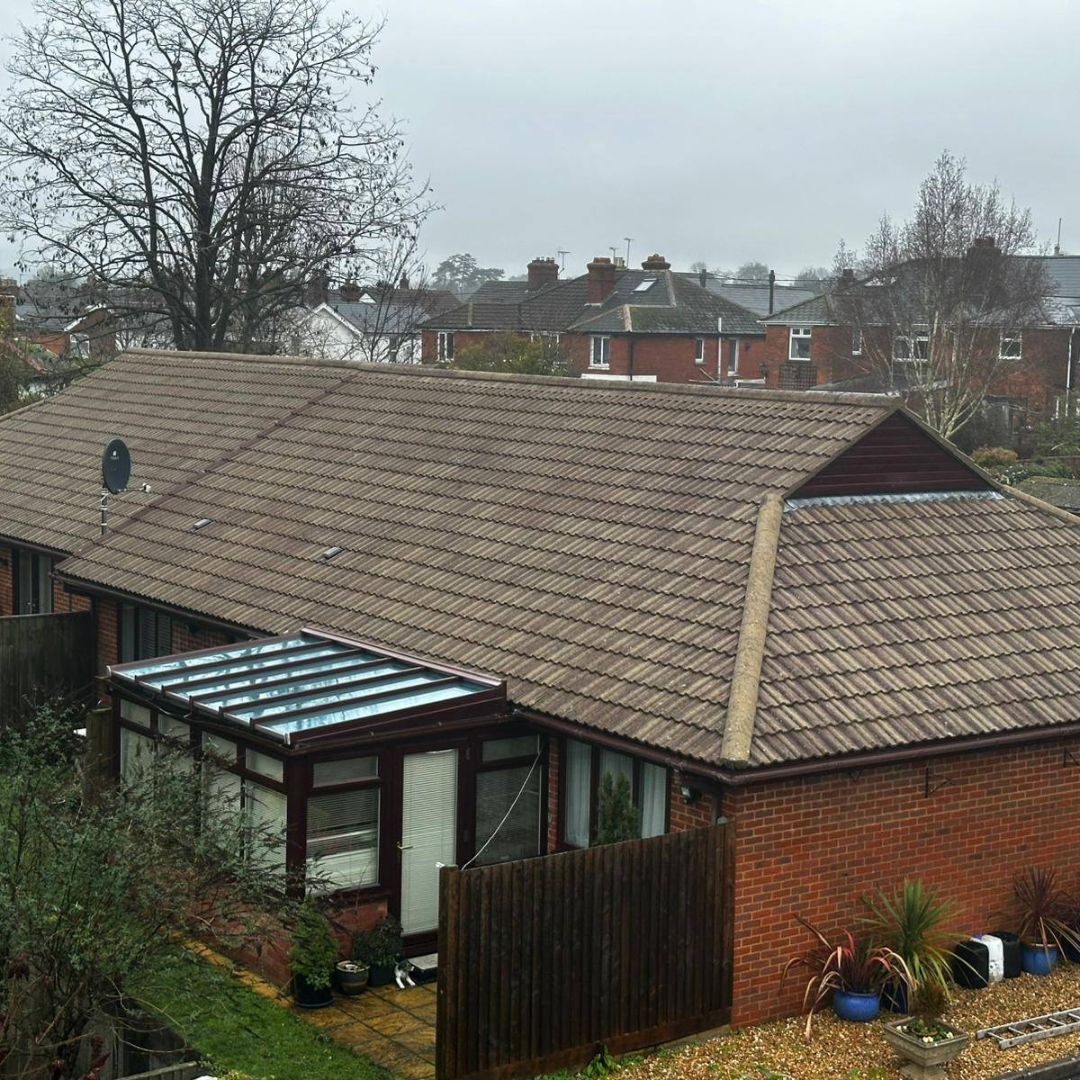
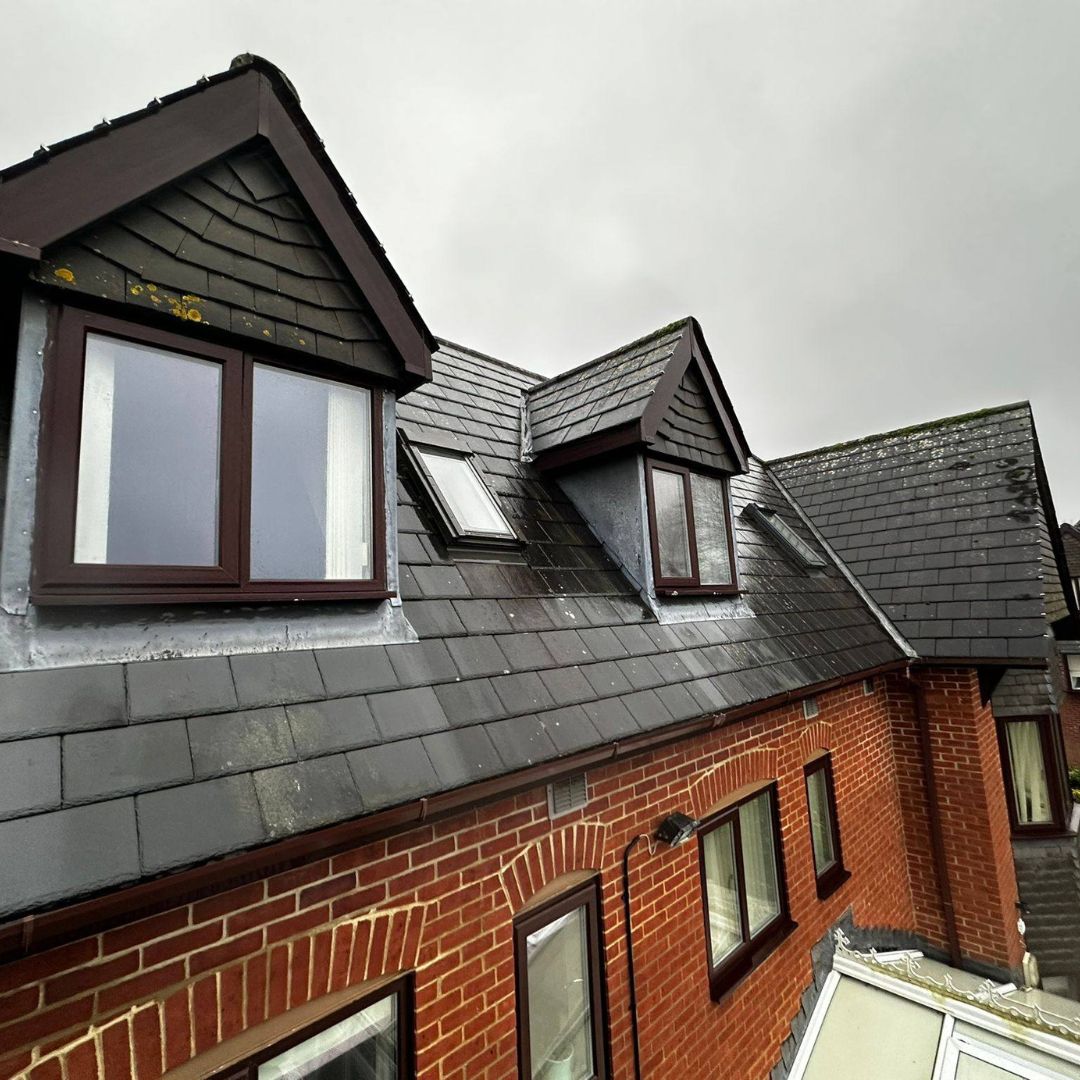
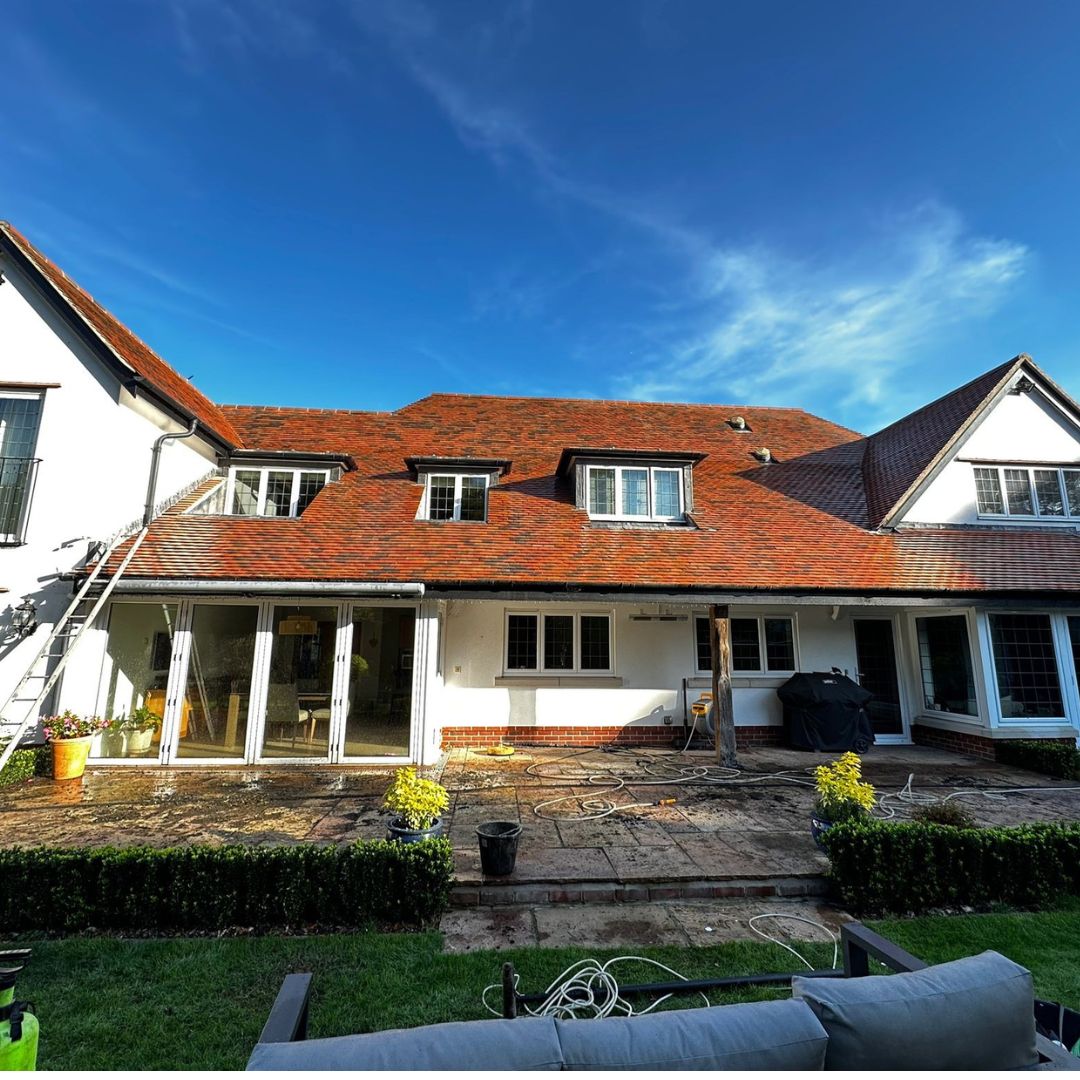
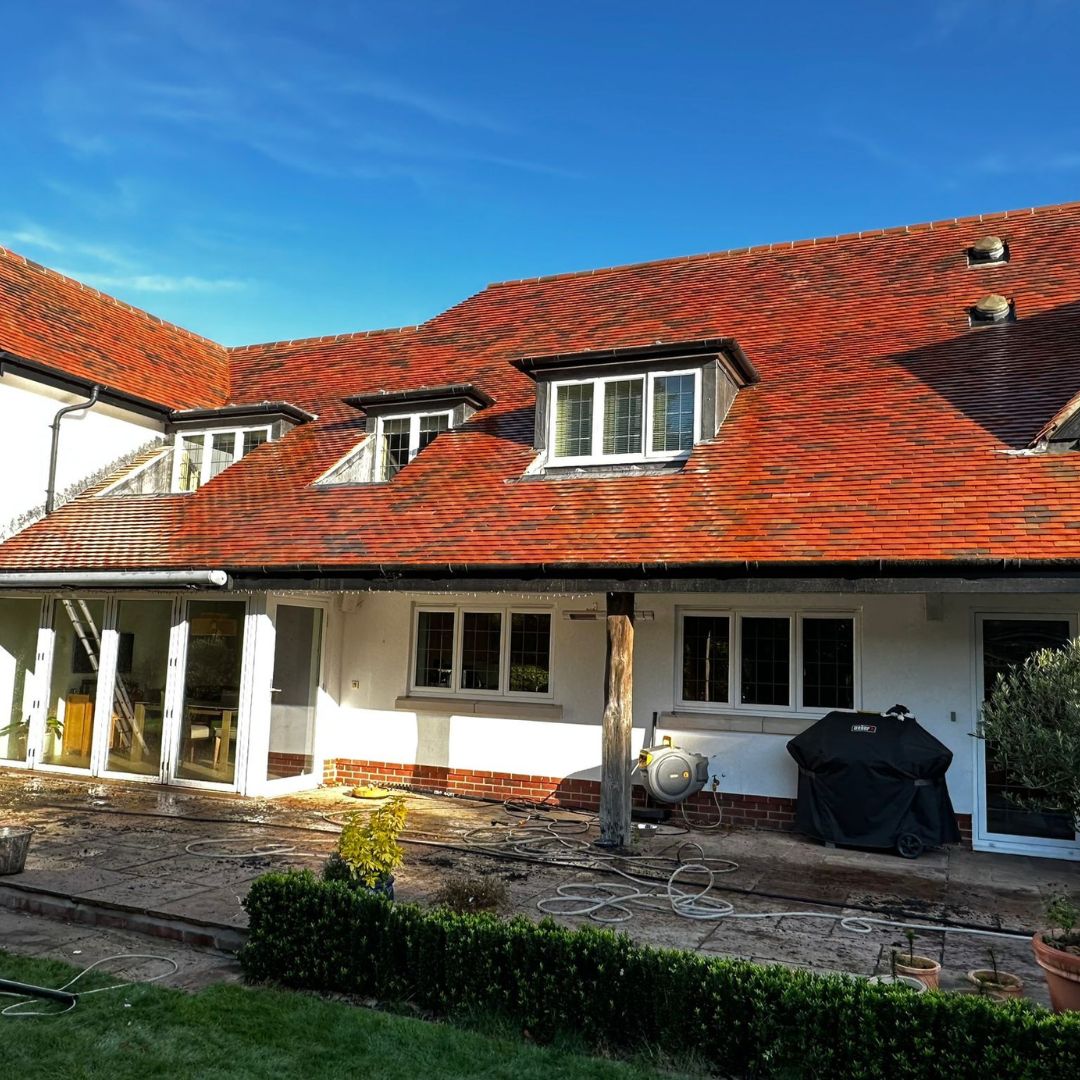
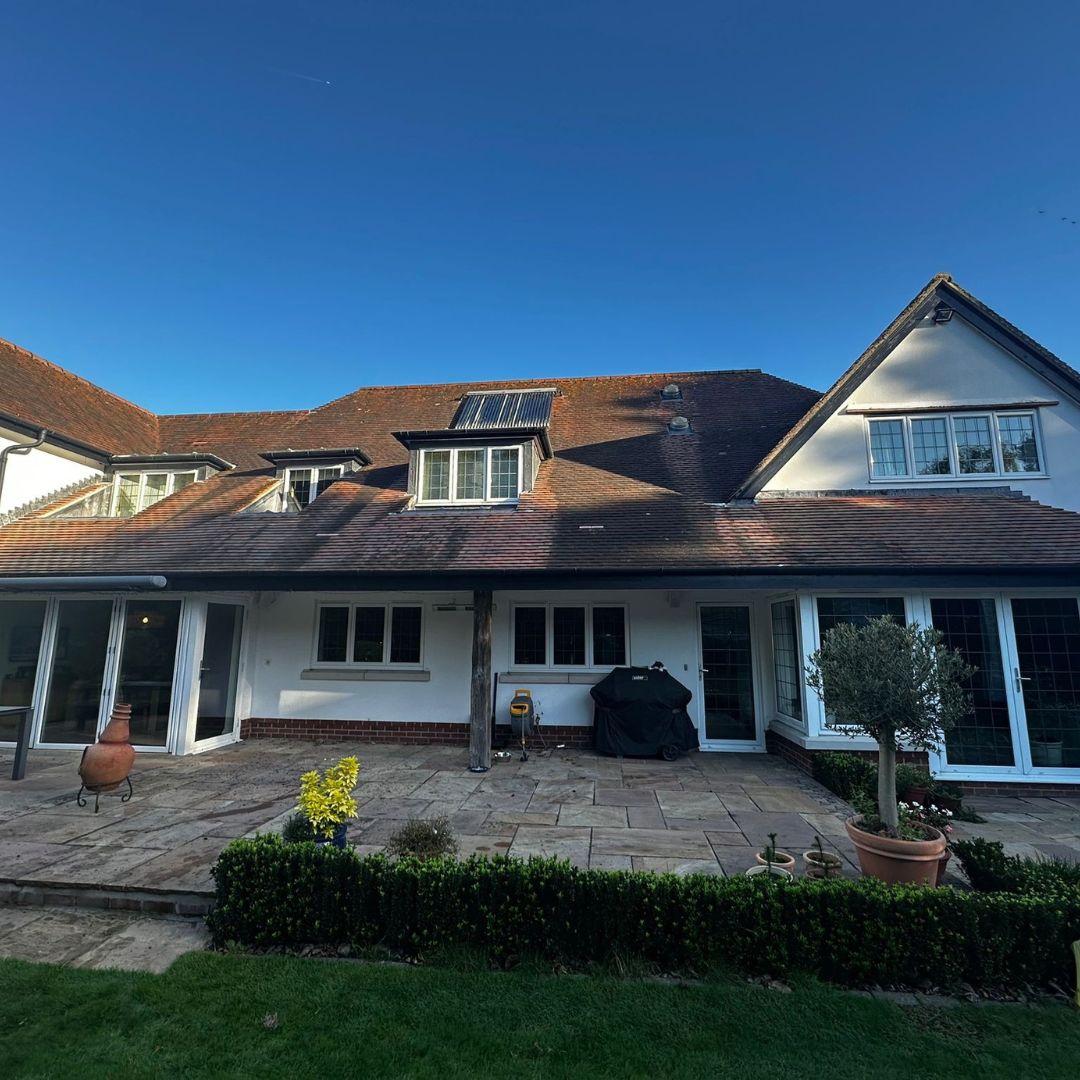
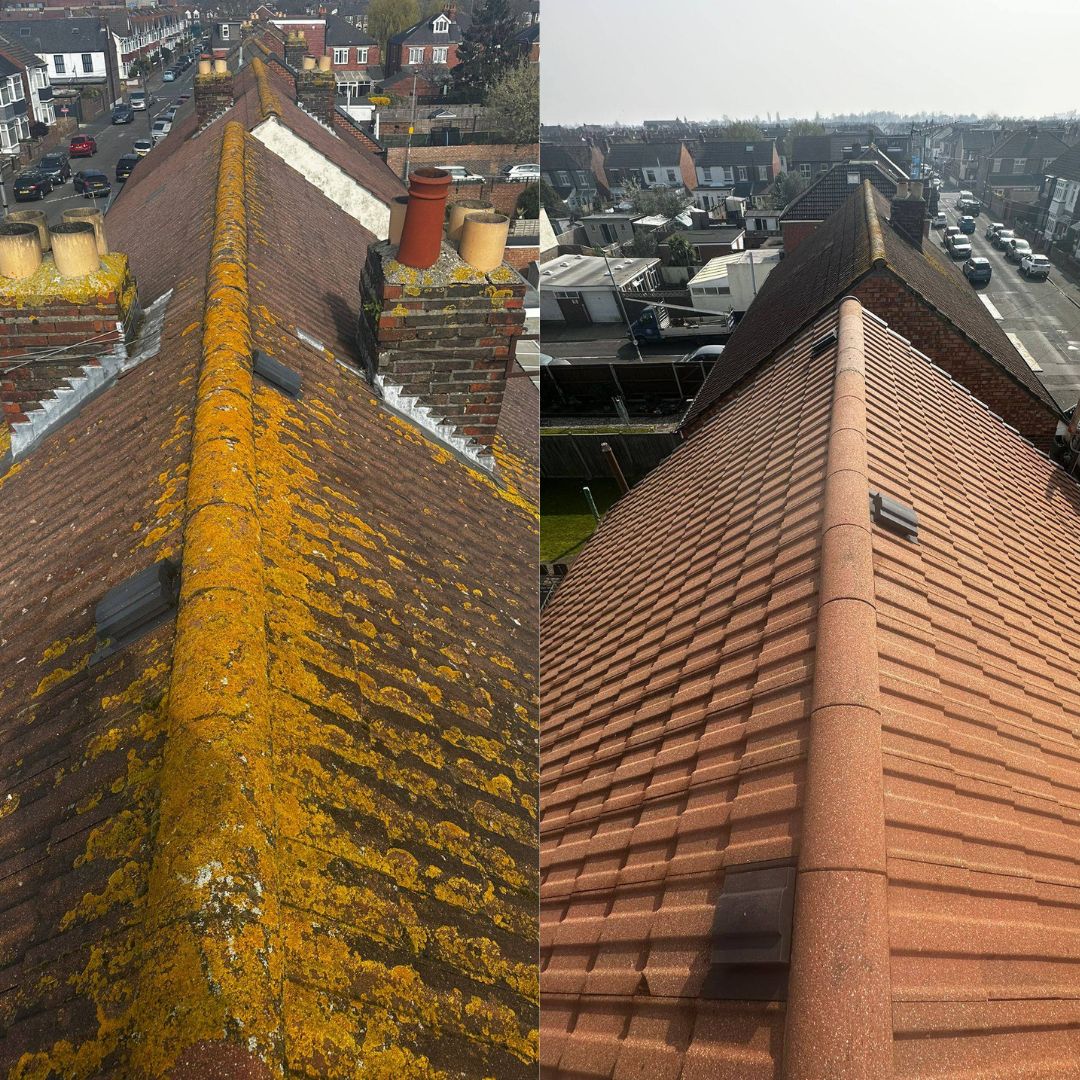
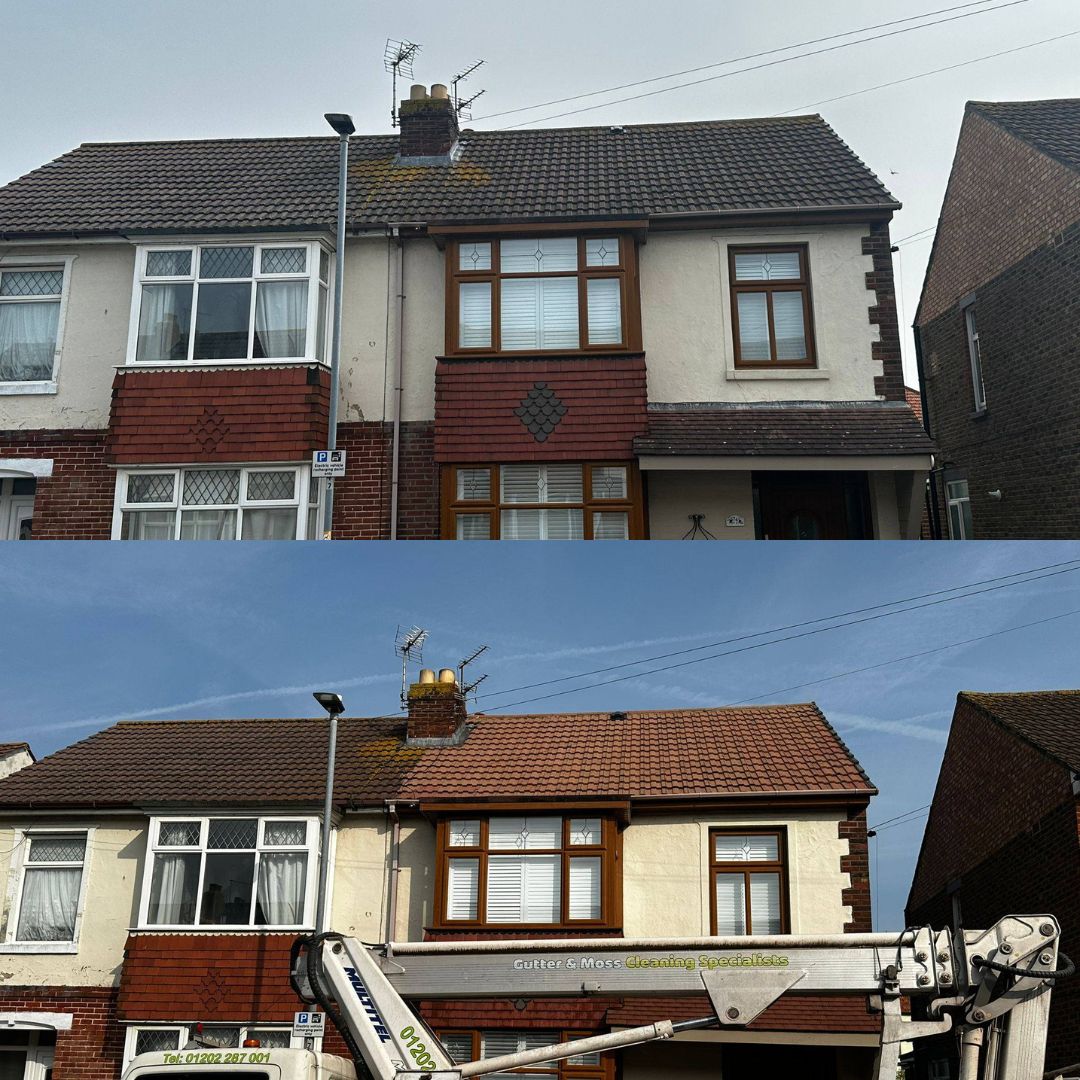
Living along Dorset’s stunning coastline offers countless advantages, from beautiful sea views to a relaxed coastal lifestyle. However, the same environment that makes the area so desirable can have a significant impact on your roof. Whether your property is located near the seafront in Sandbanks or in the leafy residential areas of Broadstone, your roof is constantly exposed to moisture, salt-laden air, moss, algae, and lichen growth.
For homeowners considering roof cleaning in poole, roof cleaning in dorset, or roof cleaning in bournemouth, it’s important to understand that roof cleaning is not simply about improving appearance. Regular maintenance helps prevent long-term damage and can save substantial repair costs in the future.
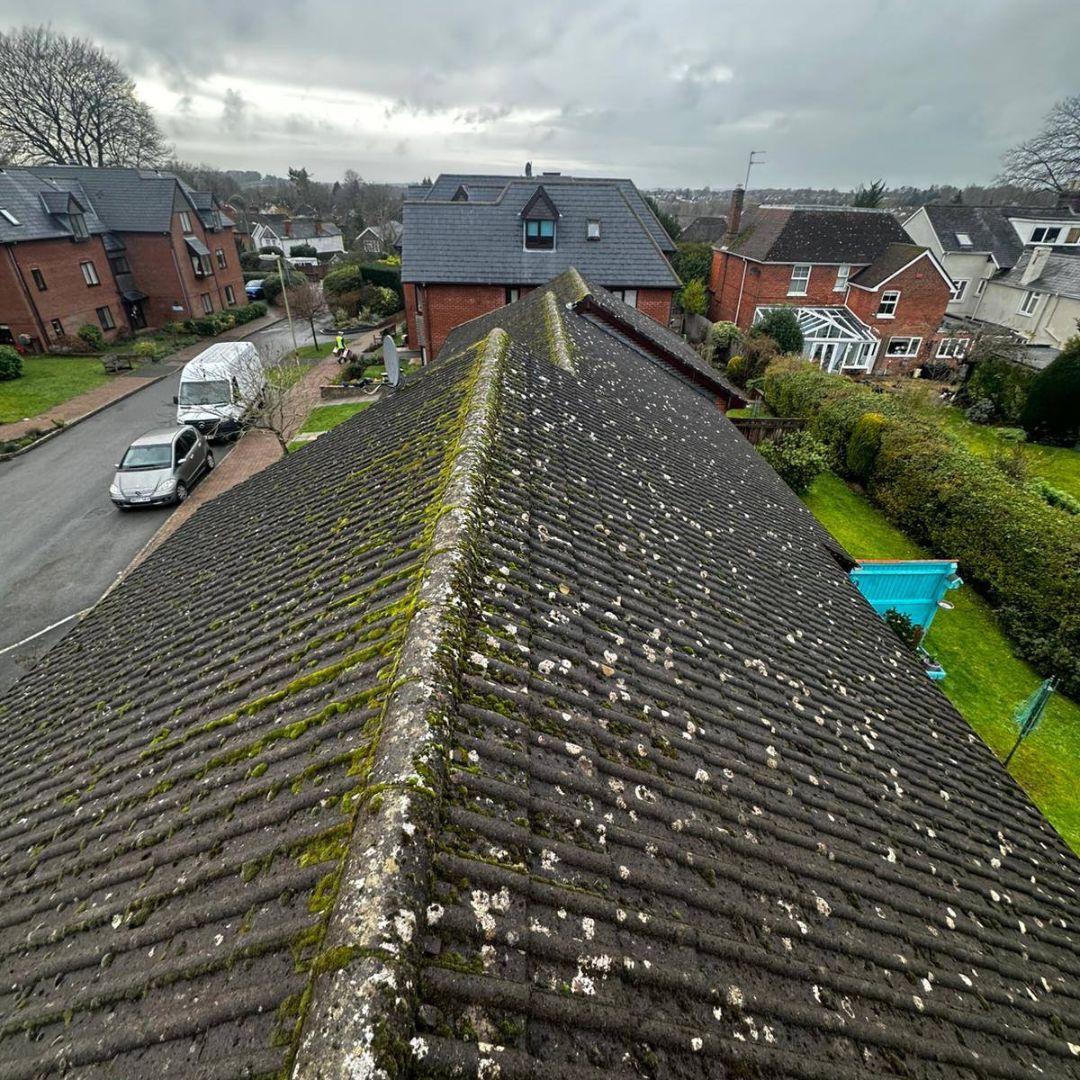
The Hidden Problems Caused by Moss Growth
Excessive Weight on Roofing Materials
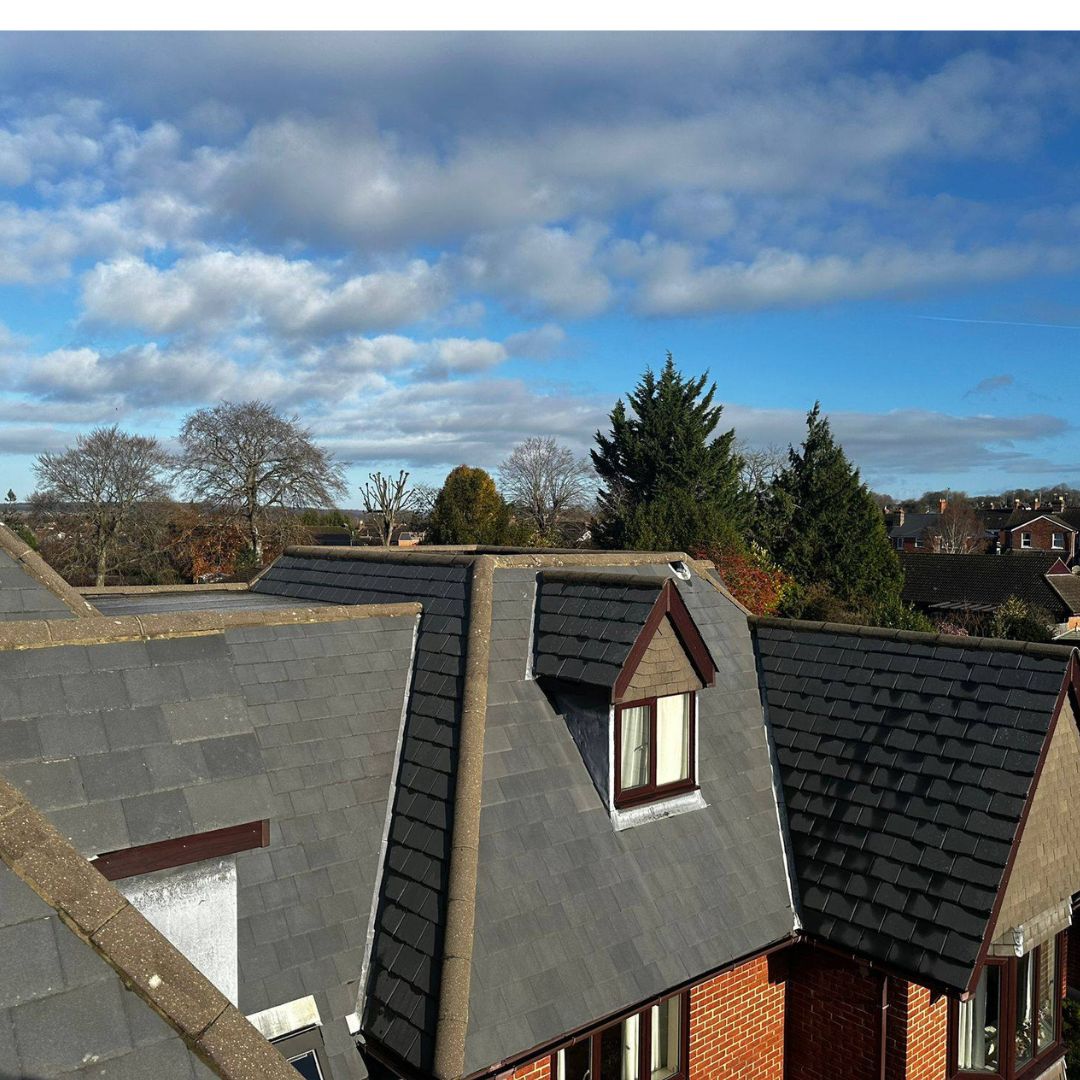
Moss absorbs and retains large amounts of water. During wet weather, this additional moisture can significantly increase the weight placed on roof tiles and supporting structures. Over time, this unnecessary strain can contribute to premature wear and deterioration.
Damage Caused by Freeze-Thaw Cycles
When temperatures drop during winter, water trapped within moss can freeze and expand. This repeated freeze-thaw process can weaken roof tiles, causing cracks, chips, and gradual deterioration of the roof surface.
Increased Risk of Leaks and Damp
As moss spreads across a roof, it can lift tiles, obstruct water flow, and contribute to blocked gutters and drainage systems. These issues increase the likelihood of water penetration, damp patches, timber decay, and other moisture-related problems within the property.
Reduced Thermal Performance
A damp roof is often less effective at insulating a home. Excess moisture within roofing materials can contribute to heat loss, potentially leading to increased energy consumption and higher heating costs throughout the year.
Our Professional Roof Cleaning Approach
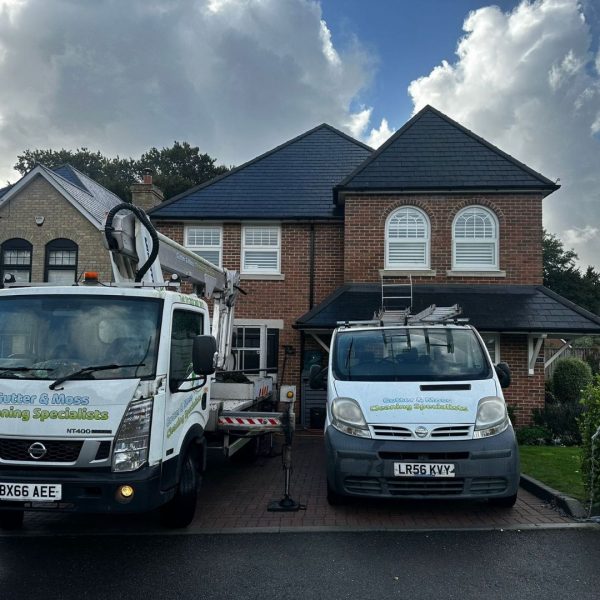
At Gutter & Moss Cleaning Specialists, we focus on cleaning methods that deliver outstanding results while protecting the long-term condition of your roof.
Manual Moss Removal
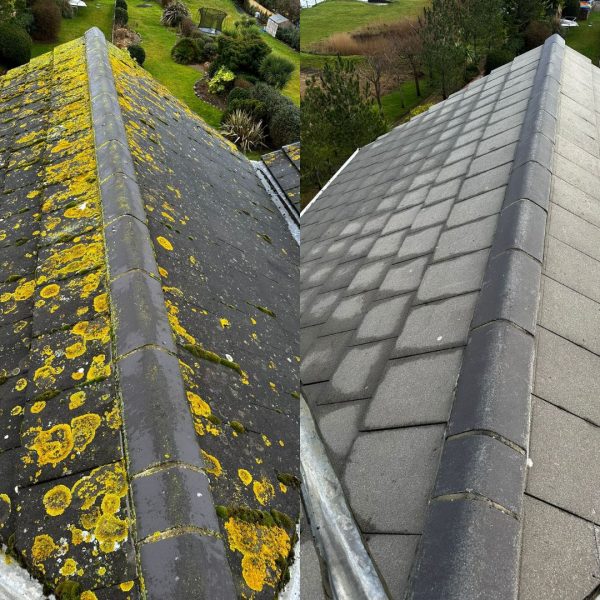
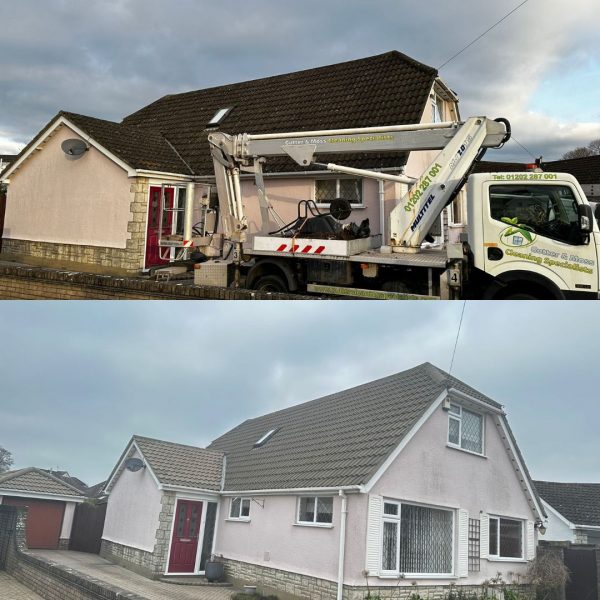
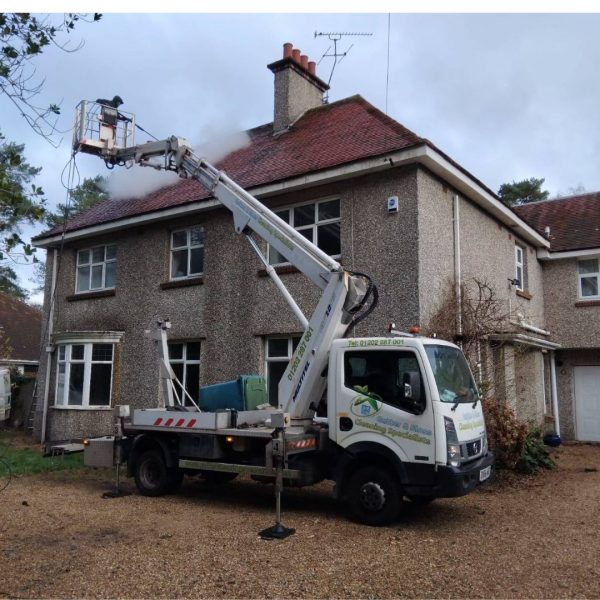
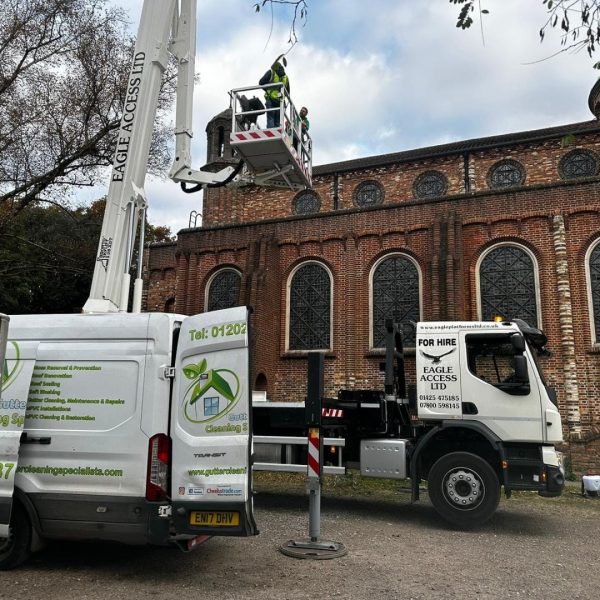
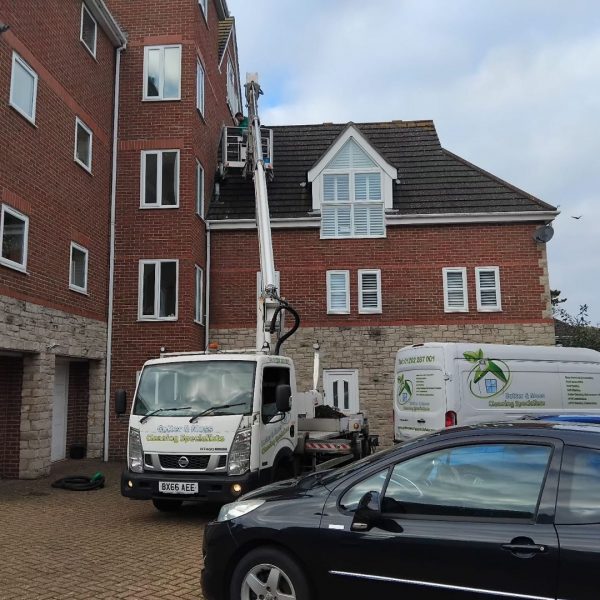
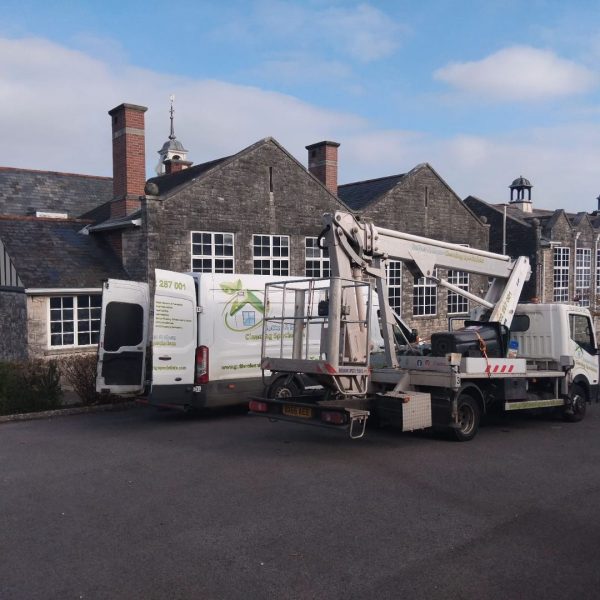
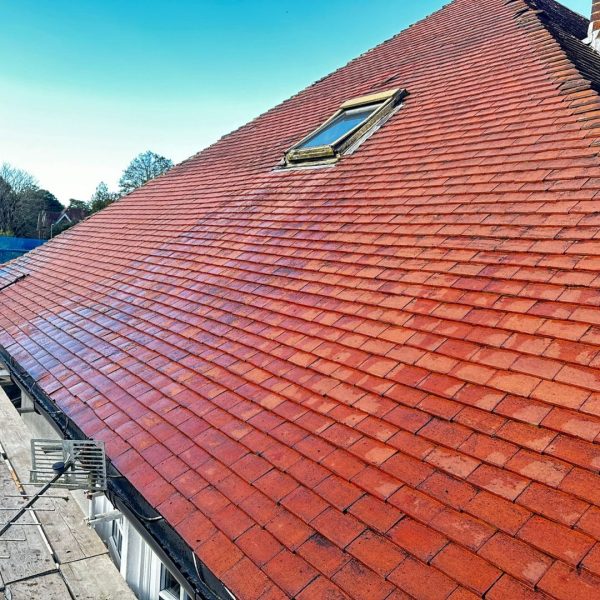
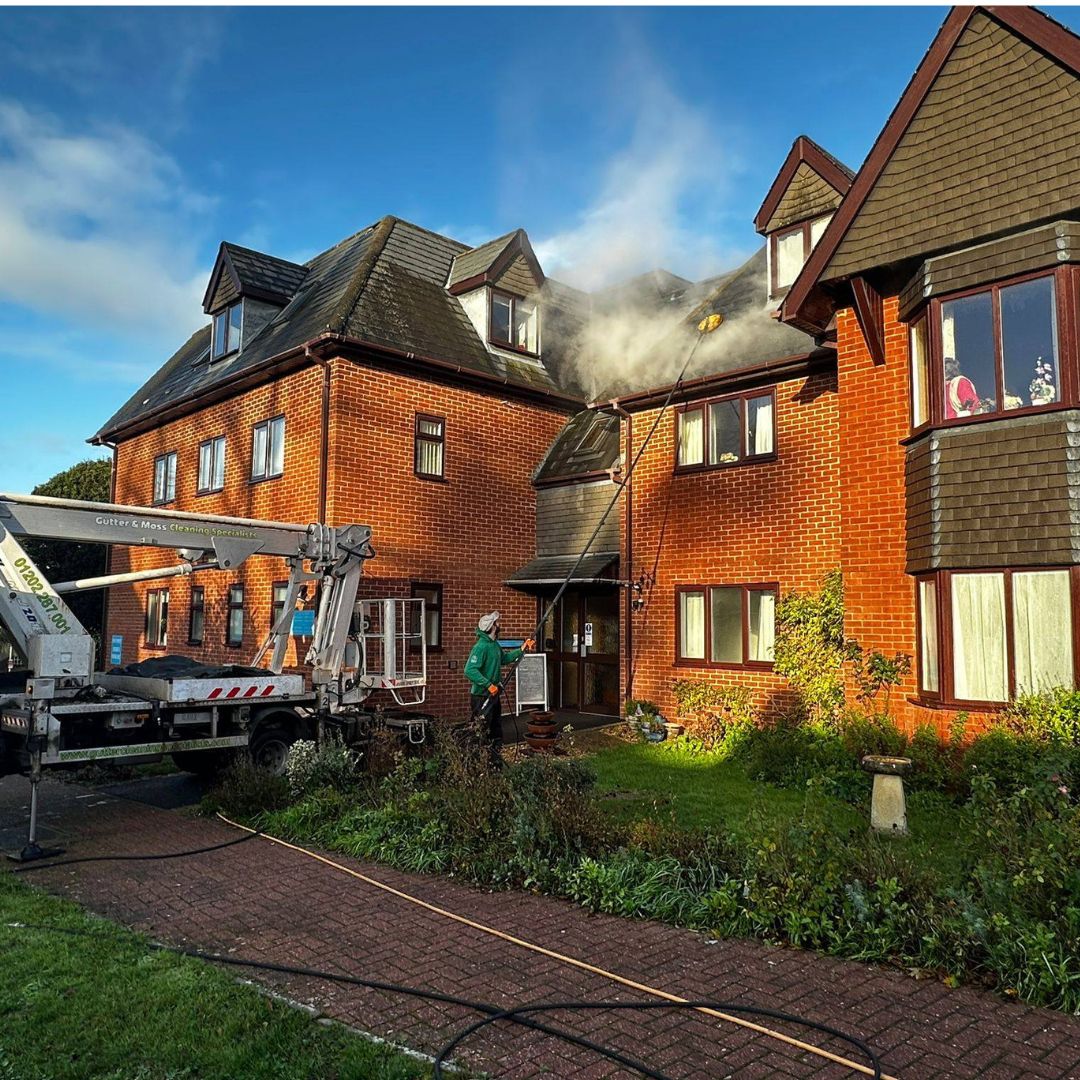
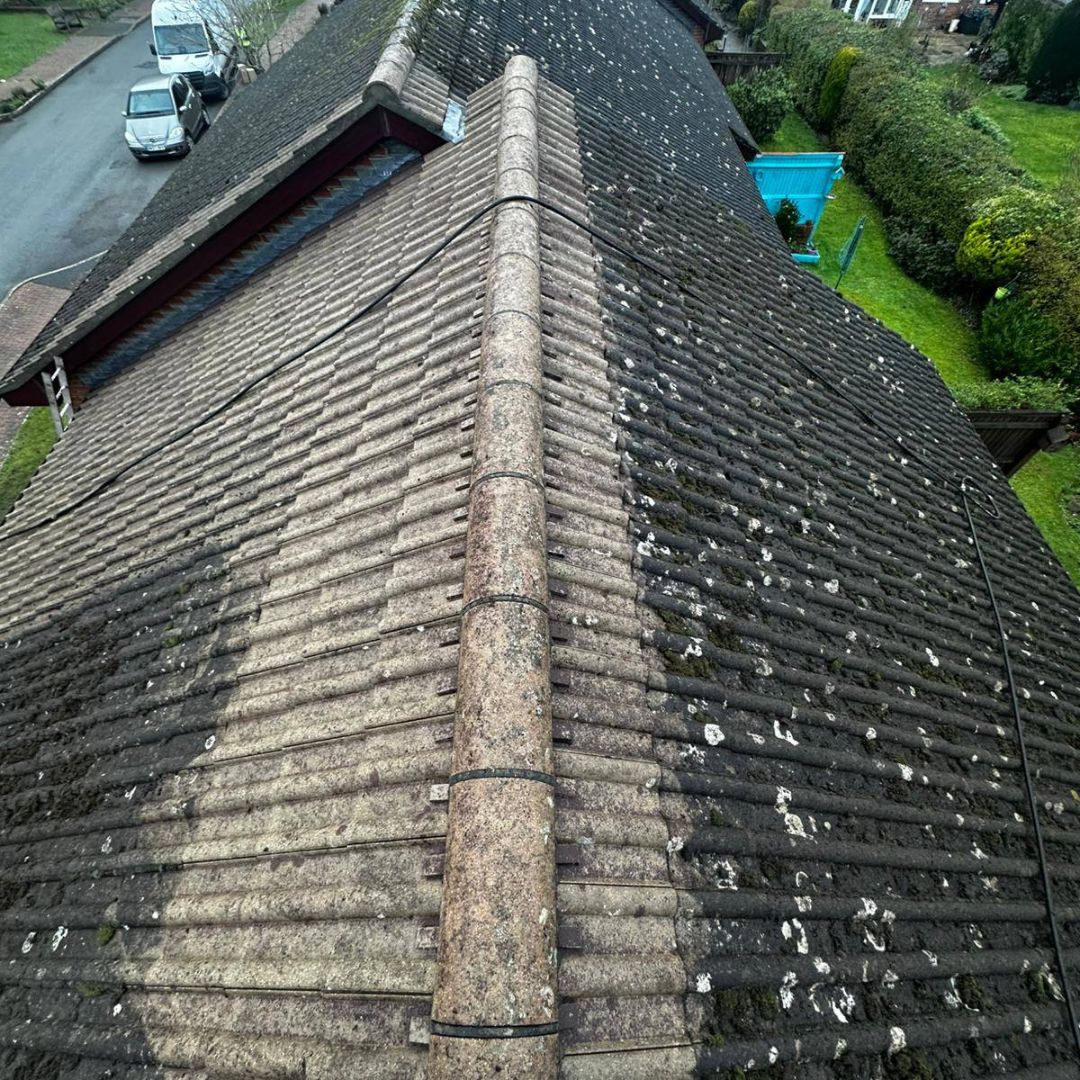
The first stage involves carefully removing heavy moss growth by hand using specialist scraping tools and professional access equipment. This controlled process allows us to remove moss effectively while minimising the risk of damaging roof tiles.
Low-Pressure Steam Cleaning
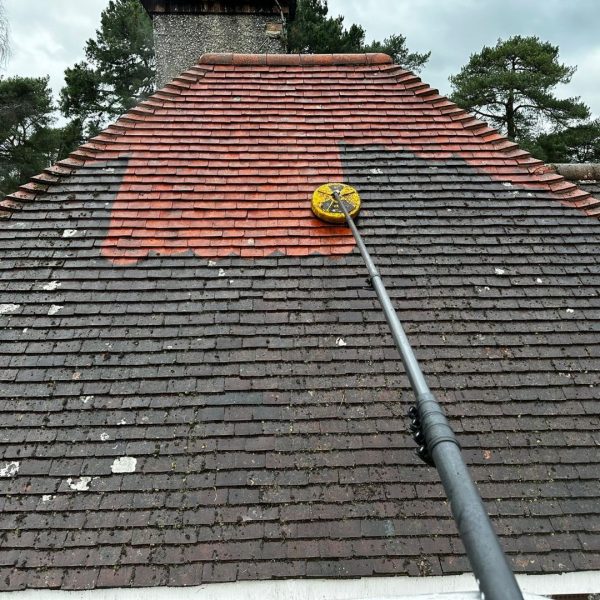
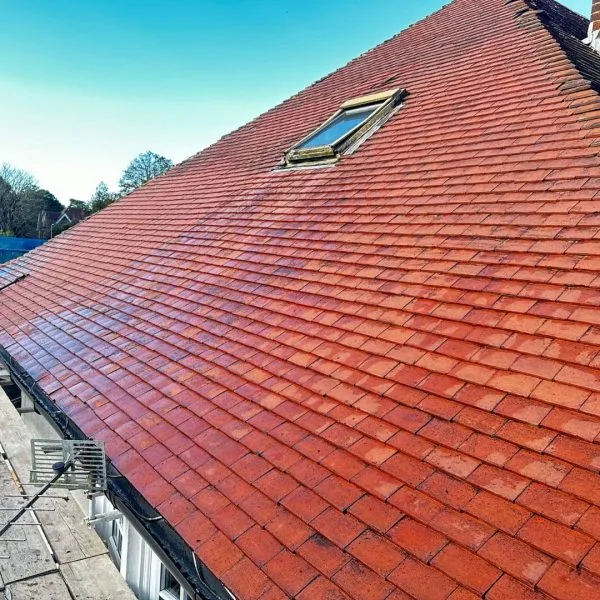
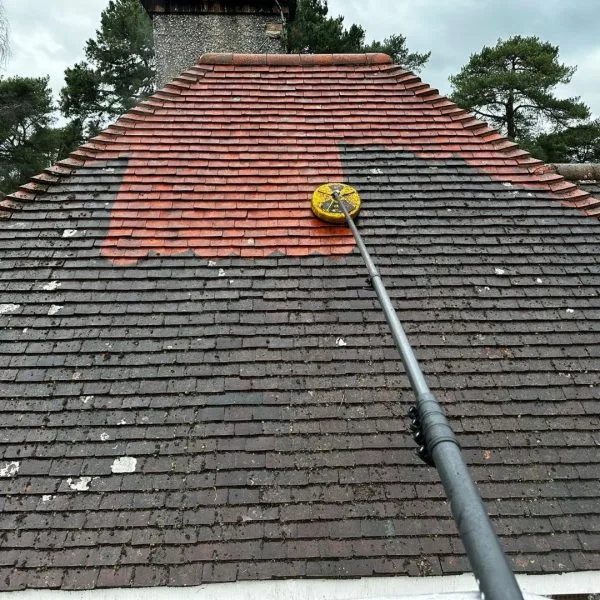
Once the bulk of the moss has been removed, we use low-pressure steam cleaning to tackle remaining dirt, algae, and lichen. Unlike aggressive pressure washing, steam cleaning provides a deep clean without stripping protective coatings or causing unnecessary wear to roofing materials.
Specialist Biocide Application
To help prevent future regrowth, we apply a professional-grade biocide treatment following the cleaning process. This treatment targets remaining spores and helps keep roofs cleaner for longer, reducing the speed at which moss, algae, and lichen return.
A Trusted Local Roof Cleaning Service
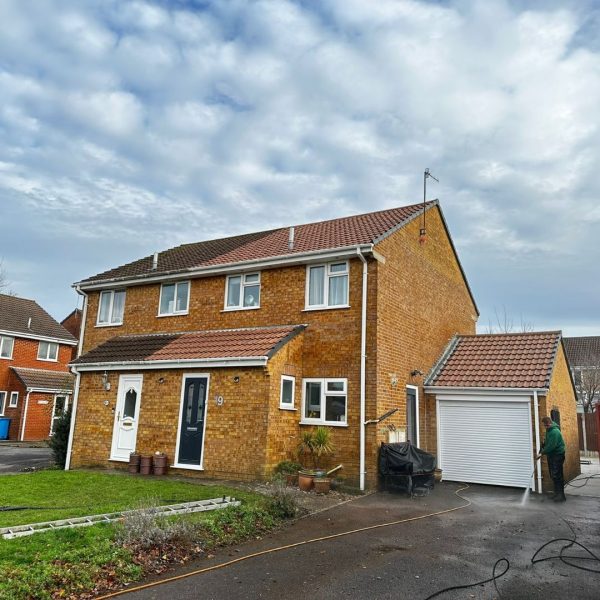
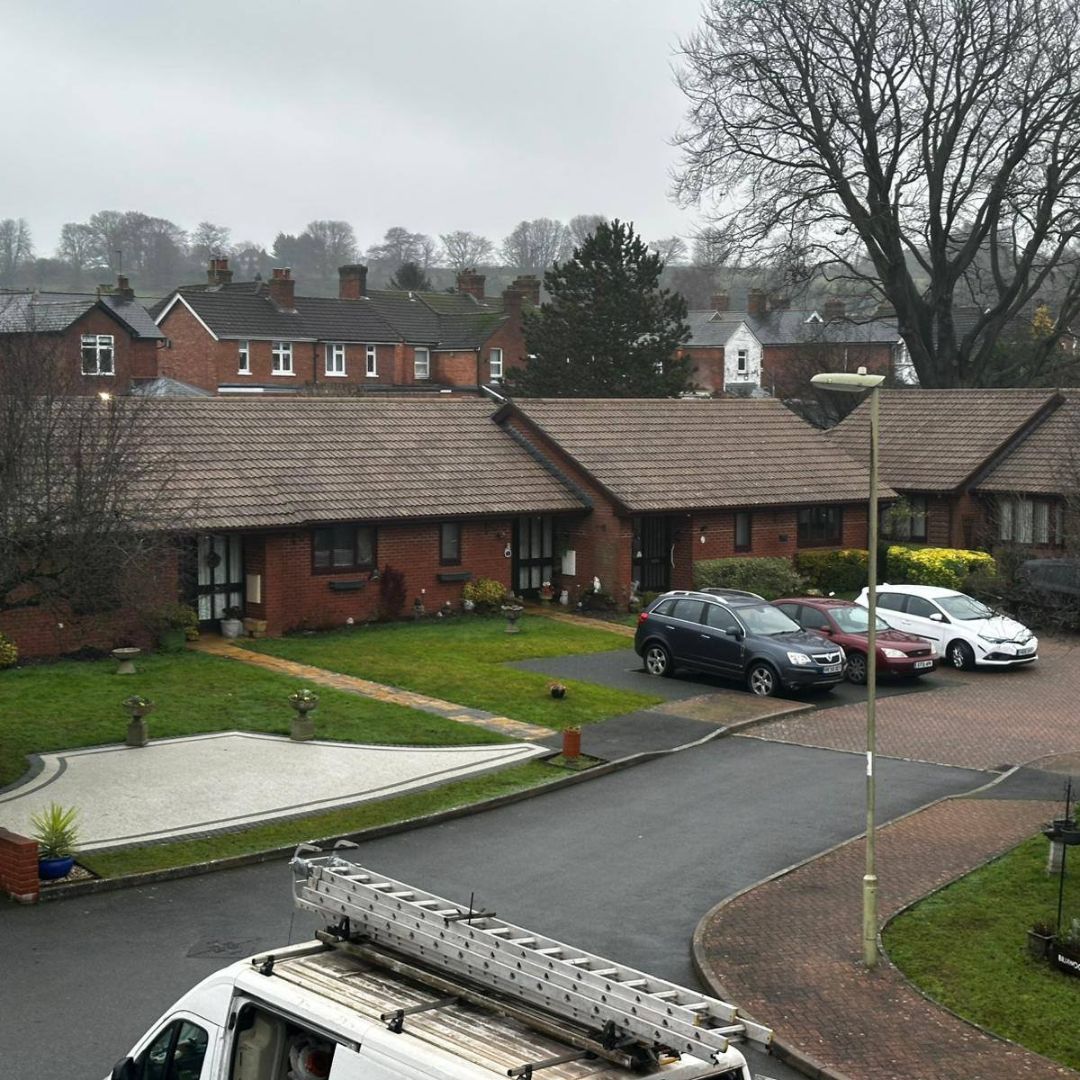
We proudly provide professional roof cleaning in poole, roof cleaning in dorset, and roof cleaning in bournemouth for homeowners throughout Sandbanks, Broadstone, Canford Cliffs, Hamworthy, Parkstone, Lilliput, and the surrounding areas.
Our aim is not only to improve the appearance of your roof but also to help protect your property from avoidable long-term damage. By combining safe cleaning methods with effective preventative treatments, we help homeowners maintain cleaner, healthier roofs that continue to perform for years to come.